
Estimating Measurements Resources
20 results
Math
✕Sort by:
20 results
Sort by:











About Estimating Measurements Resources
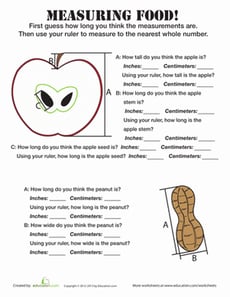
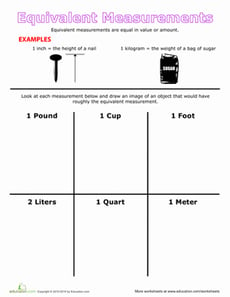
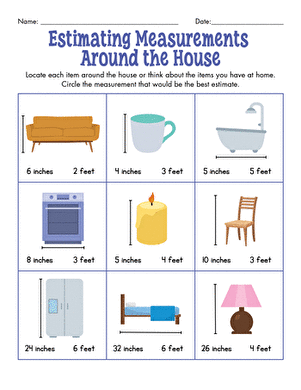
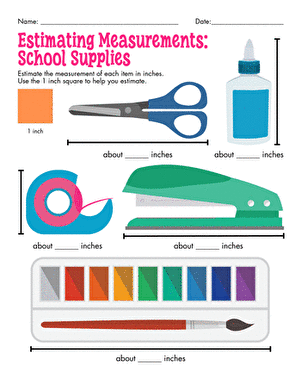
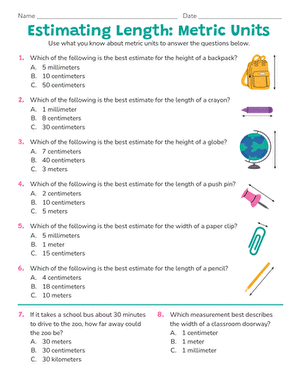
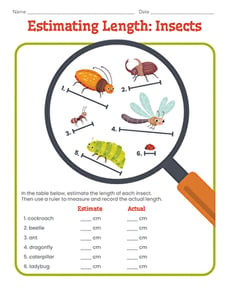
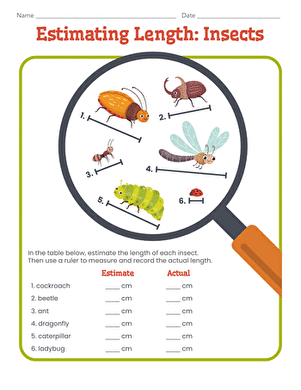
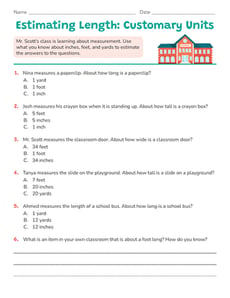
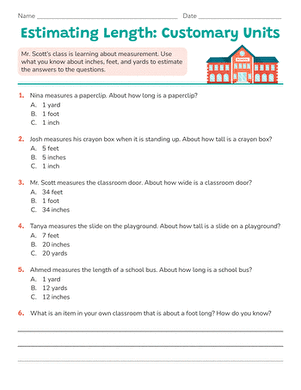
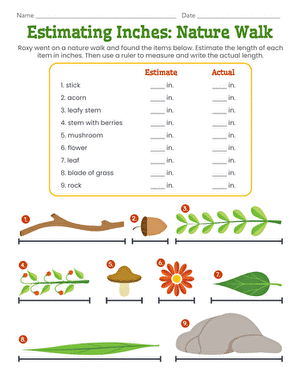
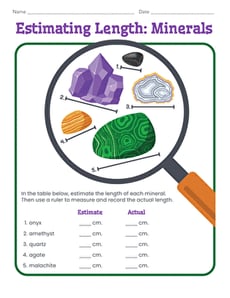
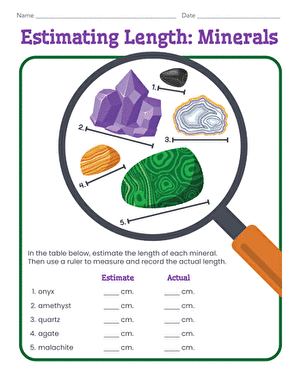
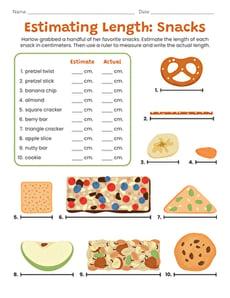
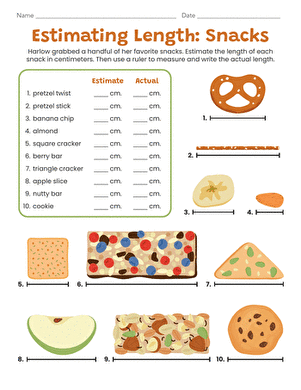
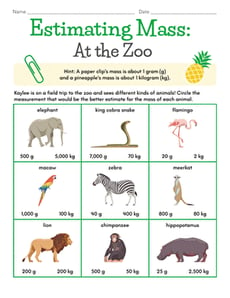
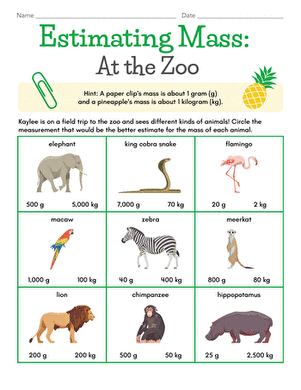
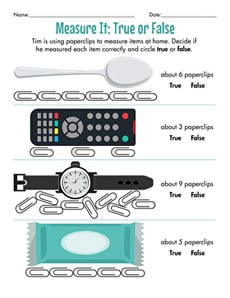
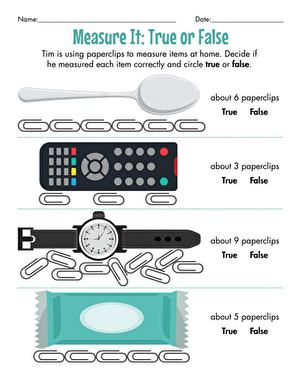
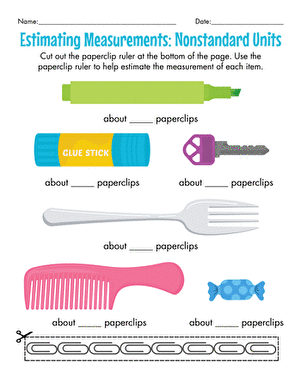
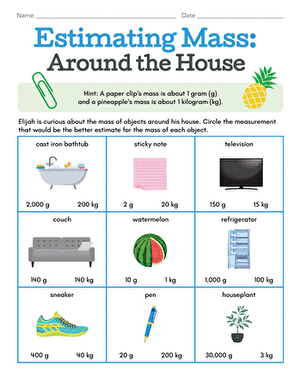
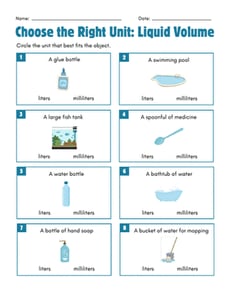
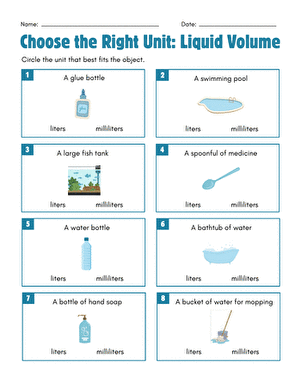
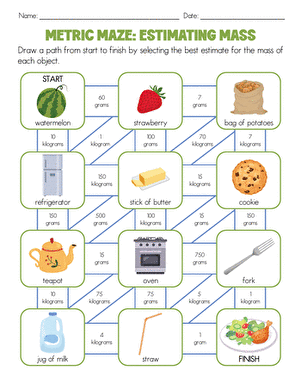
On Education.com, estimating measurement resources help students practice measuring objects and thinking approximately distances or volumes using practical techniques. These resources include printable worksheets, interactive activities, and lesson plans that focus on length in inches, centimeters, and meters, as well as capacity in cups, liters, or other units. Students learn to use benchmarks such as a finger equals 1 cm or a foot equals 1 foot, and develop mental subdivision skills to quickly estimate measurements in real-world contexts.
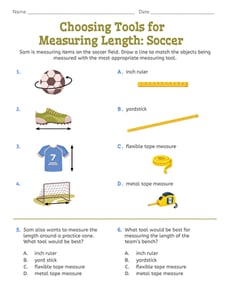
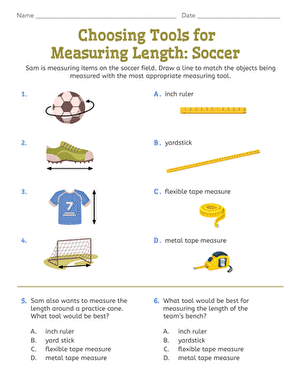
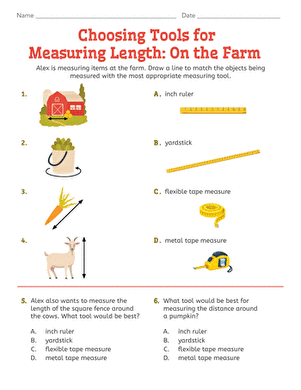
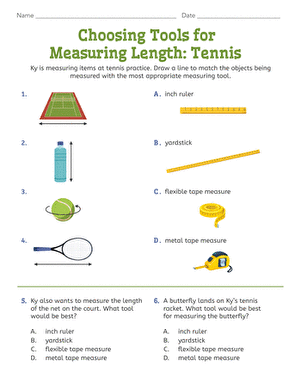
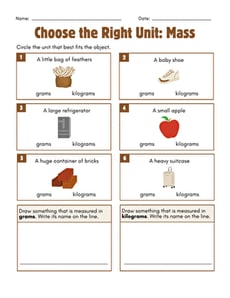
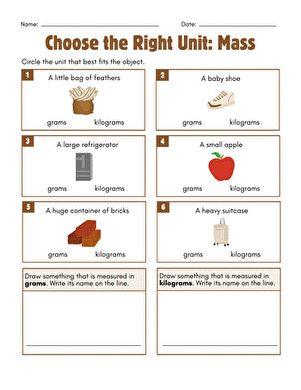
Estimating measurements on Education.com provides educators and parents with a variety of classroom-ready resources that support hands-on learning. Resources include worksheets where students compare lengths, estimate sizes, and practice counting and measuring. There are also digital learning exercises that encourage critical thinking by prompting students to use reason and practical techniques to make measurement estimates. These tools help hone both math and reasoning skills while making measurement practice engaging and accessible.
Using this collection saves time for teachers and parents by providing structured, age-appropriate activities that reinforce measurement fundamentals. Students can draw, compare, and estimate lengths across multiple formats, strengthening observation and deduction skills. These resources support a gradual transition from concrete measurement to abstract estimation, creating a solid foundation for future math learning and practical everyday applications.
Estimating measurements on Education.com provides educators and parents with a variety of classroom-ready resources that support hands-on learning. Resources include worksheets where students compare lengths, estimate sizes, and practice counting and measuring. There are also digital learning exercises that encourage critical thinking by prompting students to use reason and practical techniques to make measurement estimates. These tools help hone both math and reasoning skills while making measurement practice engaging and accessible.
Using this collection saves time for teachers and parents by providing structured, age-appropriate activities that reinforce measurement fundamentals. Students can draw, compare, and estimate lengths across multiple formats, strengthening observation and deduction skills. These resources support a gradual transition from concrete measurement to abstract estimation, creating a solid foundation for future math learning and practical everyday applications.