
Subtopics:
Offline Educational Metaphor Games





About Offline Educational Metaphor Games
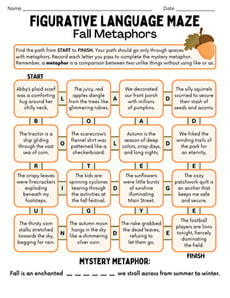
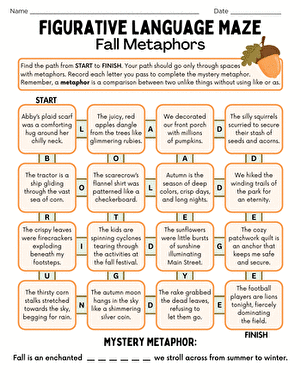
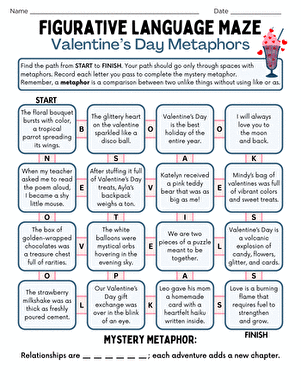
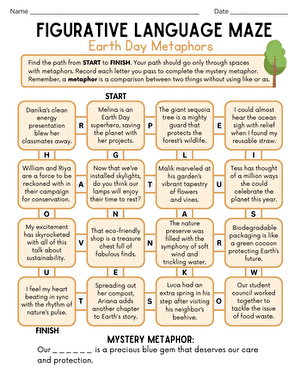
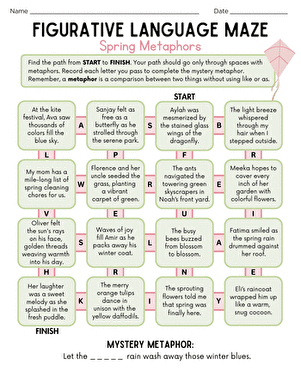
On Education.com, offline educational metaphor games use printable cards, exercises, and hands-on activities to teach figurative language and help students connect abstract comparisons such as 'heart of gold' to concrete meanings. These activities support vocabulary development, comprehension, and critical thinking skills by making figurative language engaging and interactive. Educators and parents can access structured lesson plans, worksheets, and classroom resources that enhance learning both at school and at home. Practice with concrete examples,arterm-based activities,or analogies can help students recognize and create their own metaphors across subjects.
These resources provide structured activities like metaphor match-up worksheets, sorting exercises, role-playing games, and creativity prompts that reinforce understanding of figurative language in an accessible way. Interactive lesson plans and hands-on materials make learning engaging while developing essential language skills. By incorporating these activities into the classroom or home curriculum, parents and teachers can ensure students practice meta-conscious thinking and improve creativity without the need for digital tools.
Using offline materials such as printable kits and classroom-ready resources, educators can craft engaging lessons that reinforce metaphor recognition and usage at multiple grade levels. These hands-on activities increase engagement through direct involvement and foster collaboration. Educators and parents can access structured worksheets, printable games, and teaching strategies that encourage interaction and sharing. Whether in a lesson plan or a-supplement to digital learning, offetected secure gainsin learning, interactive practice, and core reading and writing proficiency.
These resources provide structured activities like metaphor match-up worksheets, sorting exercises, role-playing games, and creativity prompts that reinforce understanding of figurative language in an accessible way. Interactive lesson plans and hands-on materials make learning engaging while developing essential language skills. By incorporating these activities into the classroom or home curriculum, parents and teachers can ensure students practice meta-conscious thinking and improve creativity without the need for digital tools.
Using offline materials such as printable kits and classroom-ready resources, educators can craft engaging lessons that reinforce metaphor recognition and usage at multiple grade levels. These hands-on activities increase engagement through direct involvement and foster collaboration. Educators and parents can access structured worksheets, printable games, and teaching strategies that encourage interaction and sharing. Whether in a lesson plan or a-supplement to digital learning, offetected secure gainsin learning, interactive practice, and core reading and writing proficiency.