
Offline Educational Even and Odd Numbers Games
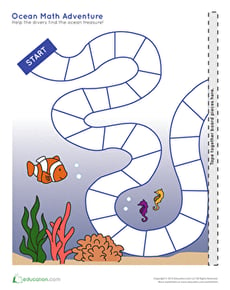


About Offline Educational Even And Odd Numbers Games
On Education.com, offline educational even and odd number games use physical materials like dice, cards, or counting objects to teach players how to identify and distinguish even and odd numbers. These activities provide hands-on learning experiences that reinforce number recognition, pairing, and basic arithmetic skills without screens. Examples include dice roll-and-move games like 'Even Steven/Odd Todd,' number bingo with odd or even totals, or scavenger hunts that encourage sorting objects into even and odd groups.
Educational resources on Education.com include printable worksheets, classroom games, and activity guides that make teaching even and odd numbers interactive and engaging. These materials combine fun play with structured learning, helping children strengthen their number sense, counting skills, and pattern recognition while allowing educators and parents to address standards in mathematics.
Using offline games like stacking, pairing, and sorting activities provides students with practical opportunities to connect numbers to real-world objects. This approach encourages creative problem-solving and collaboration outside digital environments. Educators and parents can use these resources to enhance classroom instruction or at-home practice, making math learning accessible, enjoyable, and effective.
Educational resources on Education.com include printable worksheets, classroom games, and activity guides that make teaching even and odd numbers interactive and engaging. These materials combine fun play with structured learning, helping children strengthen their number sense, counting skills, and pattern recognition while allowing educators and parents to address standards in mathematics.
Using offline games like stacking, pairing, and sorting activities provides students with practical opportunities to connect numbers to real-world objects. This approach encourages creative problem-solving and collaboration outside digital environments. Educators and parents can use these resources to enhance classroom instruction or at-home practice, making math learning accessible, enjoyable, and effective.