
Preschool Fiction Make Predictions Resources









About Preschool Fiction Make Predictions Resources
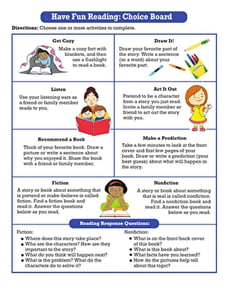
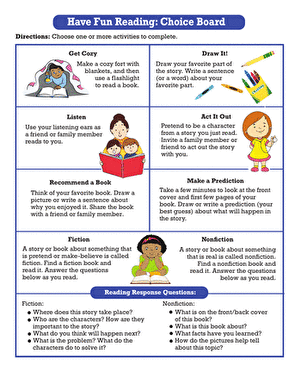
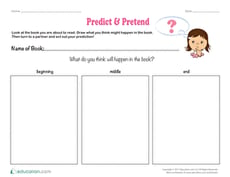
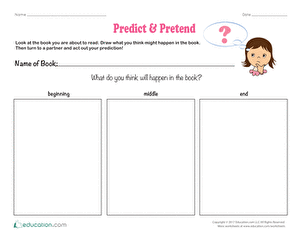
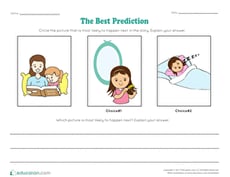
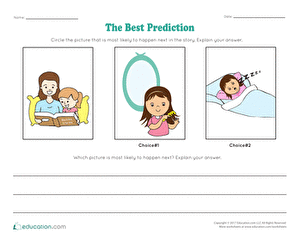
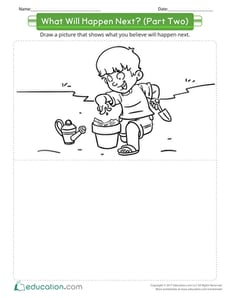
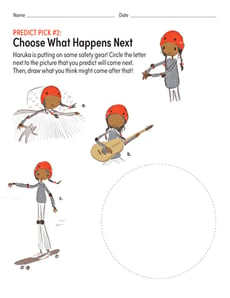
On Education.com, preschool fiction make predictions resources include activities and lesson plans that help young children practice reading comprehension by predicting story outcomes. These materials, such as reading prompts, story illustrations, and prediction exercises, support early literacy and critical thinking skills. Educators and parents can use these resources to engage children in reading while fostering imagination and logical reasoning from an early age.
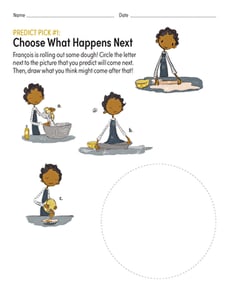
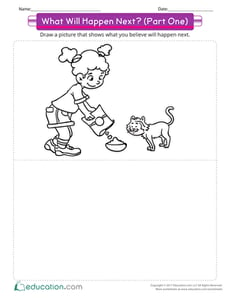
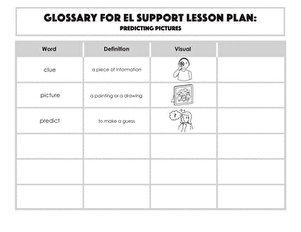
This page on Education.com provides methods and materials for teaching preschoolers to make predictions in fiction. Resources include printable worksheets, story-based games, and classroom activities that encourage children to analyze plot clues, connect story elements to personal experiences, and enhance understanding of storytelling structure. These guided exercises make learning to predict enjoyable and accessible for young learners.
Educators and parents can incorporate these resources into everyday reading practice by encouraging children to look closely at titles, pictures, and initial story details to make educated guesses about what will happen next. Practice can be structured as group reading, guided classrooms, or at-home reading sessions, making learning both interactive and enriching. Using these prediction strategies supports early literacy, confidence, and a love of reading.
This page on Education.com provides methods and materials for teaching preschoolers to make predictions in fiction. Resources include printable worksheets, story-based games, and classroom activities that encourage children to analyze plot clues, connect story elements to personal experiences, and enhance understanding of storytelling structure. These guided exercises make learning to predict enjoyable and accessible for young learners.
Educators and parents can incorporate these resources into everyday reading practice by encouraging children to look closely at titles, pictures, and initial story details to make educated guesses about what will happen next. Practice can be structured as group reading, guided classrooms, or at-home reading sessions, making learning both interactive and enriching. Using these prediction strategies supports early literacy, confidence, and a love of reading.