
2nd Grade Fiction Cause and Effect Resources







About 2nd Grade Fiction Cause And Effect Resources
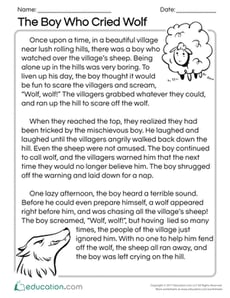
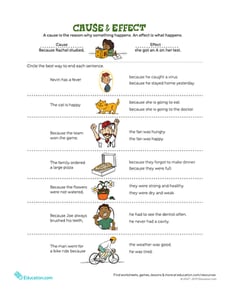
On Education.com, 2nd Grade Fiction Cause & Effect worksheets help young learners identify the relationship between events in stories and how characters' actions lead to specific outcomes. These materials guide students through reading exercises, story analysis, and comprehension strategies that reinforce both narrative structure and critical thinking skills. Educators and parents can access printable activities focused on classic tales like The Boy Who Cried Wolf to make learning engaging and accessible.
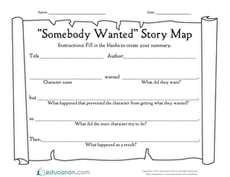
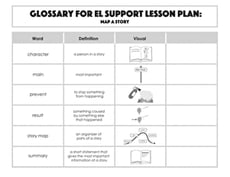
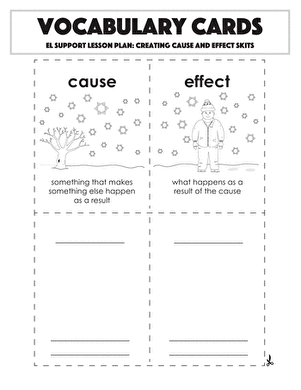
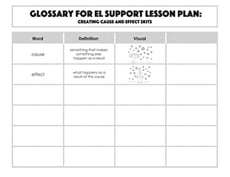
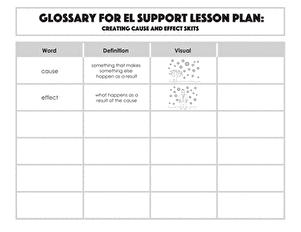
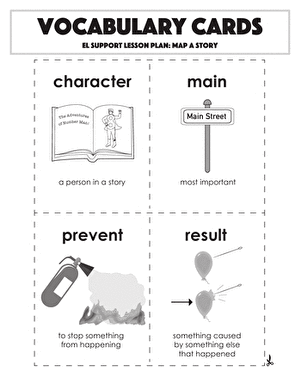
This page provides a variety of Education.com resources, including story maps, anchor charts, sentence matching games, and classroom lesson plans that focus on cause and effect in fiction. These materials are designed to enhance reading comprehension, strengthen analytical skills, and make literary learning fun. By providing structured activities and interactive exercises, educators and students can practice identifying cause and effect relationships across different texts and contexts.
Using these cause-and-effect resources in the classroom or at home helps students develop a deeper understanding of story structure and language pattern recognition. Educators can save time planning differentiated activities, while parents can support reading progress through engaging worksheets and games. Together, these materials provide a comprehensive, structured approach to exploring cause and effect in fiction, making learning both educational and enjoyable.
This page provides a variety of Education.com resources, including story maps, anchor charts, sentence matching games, and classroom lesson plans that focus on cause and effect in fiction. These materials are designed to enhance reading comprehension, strengthen analytical skills, and make literary learning fun. By providing structured activities and interactive exercises, educators and students can practice identifying cause and effect relationships across different texts and contexts.
Using these cause-and-effect resources in the classroom or at home helps students develop a deeper understanding of story structure and language pattern recognition. Educators can save time planning differentiated activities, while parents can support reading progress through engaging worksheets and games. Together, these materials provide a comprehensive, structured approach to exploring cause and effect in fiction, making learning both educational and enjoyable.