
2nd Grade Composing Two-Dimensional Shapes Resources



About 2nd Grade Composing Two-Dimensional Shapes Resources
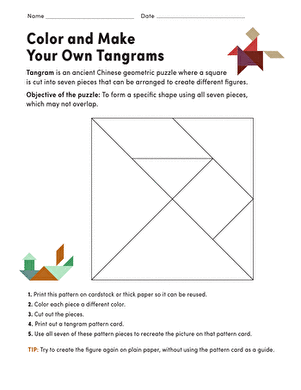
On Education.com, 2nd-grade composing two-dimensional shapes refers to hands-on and visual activities that help students understand how smaller shapes combine to create larger, more complex figures. These exercises focus on properties like sides, vertices, and angles, encouraging children to explore geometric concepts through drawing, pattern-building, and shape-sorting tasks. Materials such as printable worksheets and digital apps provide structured ways to practice composing shapes. Each lesson supports foundational geometry skills essential for early math growth.
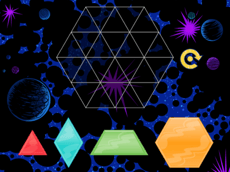
Exploring on Education.com, resources like interactive tutorials, shape puzzles, and visual worksheets allow educators and parents to teach shape composition effectively. Using digital tools and printable materials, children can sequence shapes, identify symmetrical figures, and construct patterns, reinforcing spatial awareness and geometric vocabulary. These engaging activities make learning shapes accessible and enjoyable, providing structured practice to develop both understanding and confidence in geometry.
Educators and parents can use pages with guided lessons, hands-on bin-shaped building projects, and printable printable resources to support shape composition learning. By offering practical, engaging activities, HR shapes.com provides a wide range of tools that make geometry fun and meaningful while promoting critical thinking. These resources save time by providing ready-to-use materials, allowing children to experiment and learn through creative, structured play.
Exploring on Education.com, resources like interactive tutorials, shape puzzles, and visual worksheets allow educators and parents to teach shape composition effectively. Using digital tools and printable materials, children can sequence shapes, identify symmetrical figures, and construct patterns, reinforcing spatial awareness and geometric vocabulary. These engaging activities make learning shapes accessible and enjoyable, providing structured practice to develop both understanding and confidence in geometry.
Educators and parents can use pages with guided lessons, hands-on bin-shaped building projects, and printable printable resources to support shape composition learning. By offering practical, engaging activities, HR shapes.com provides a wide range of tools that make geometry fun and meaningful while promoting critical thinking. These resources save time by providing ready-to-use materials, allowing children to experiment and learn through creative, structured play.