
2nd Grade Figurative Language Resources

















About 2nd Grade Figurative Language Resources
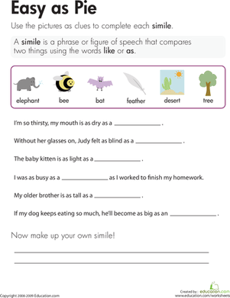
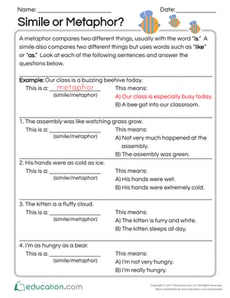
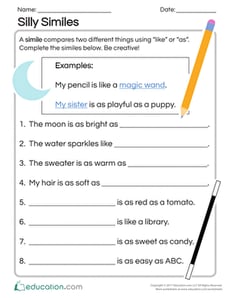
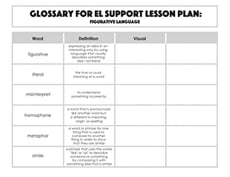
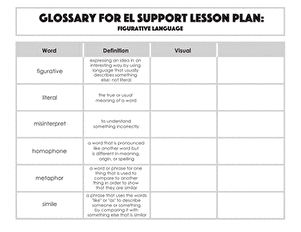
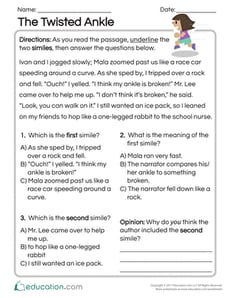
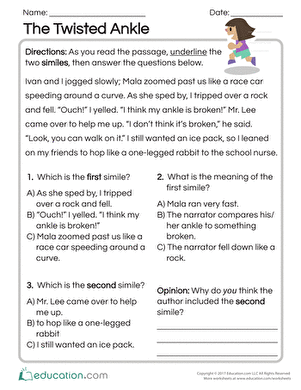
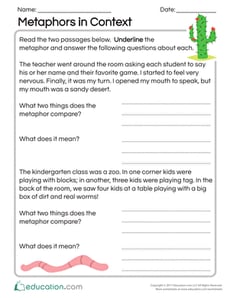
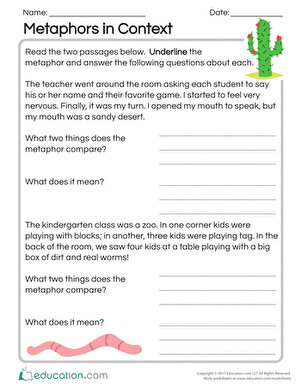
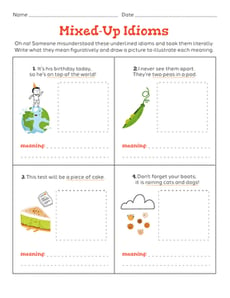
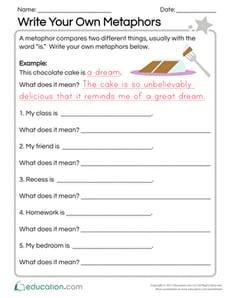
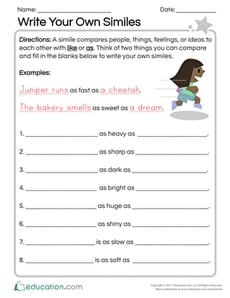
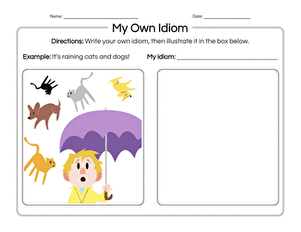
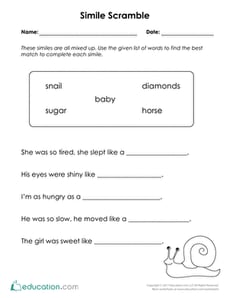
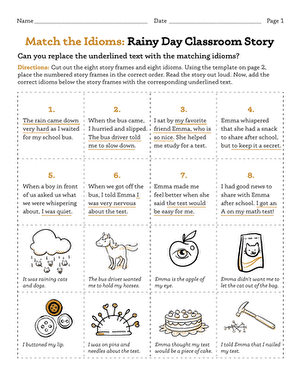
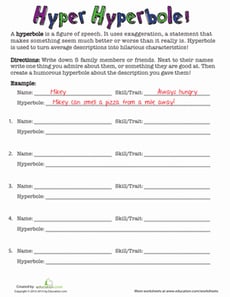
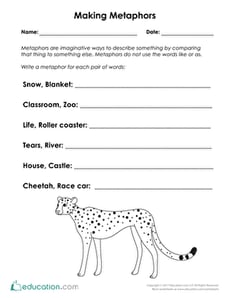
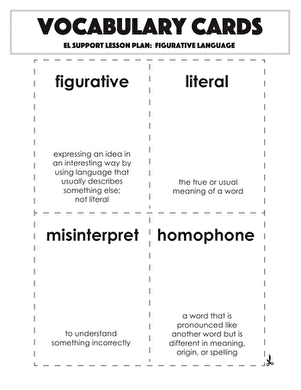
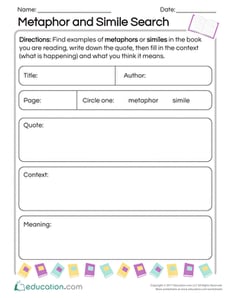
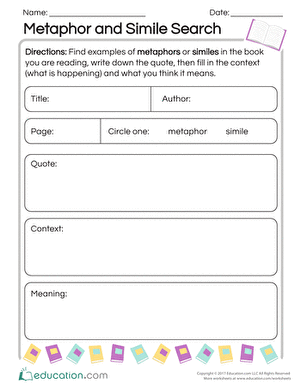
On Education.com, 2nd-grade figurative language resources include interactive worksheets on similes, metaphors, idioms, and personification. These materials help young learners understand nonliteral language using fun activities and visuals. Through classroom-ready lessons, students can practice recognizing and creating figurative expressions while strengthening reading skills. Educators and parents can access materials that make learning engaging and accessible for emerging readers.
2nd grade figurative language resources also feature printable lesson plans, activities, and materials that bring poetry and creative writing to life. Resources include anchor charts, craft pages, and classroom games that reinforce understanding and inspire creativity. By providing structured learning tools, these materials support building confidence, enhancing vocabulary, and encouraging expressive language use among early readers.
Educators and parents can use these resources to prepare lessons that make figurative language fun and relatable, integrating reading comprehension with writing and poetry exercises. By incorporating interactive worksheets and classroom activities, students develop a strong foundation in figurative expressions, boosting their overall language arts performance. These tools provide an engaging way to teach nonliteral language across a variety of learning settings.
2nd grade figurative language resources also feature printable lesson plans, activities, and materials that bring poetry and creative writing to life. Resources include anchor charts, craft pages, and classroom games that reinforce understanding and inspire creativity. By providing structured learning tools, these materials support building confidence, enhancing vocabulary, and encouraging expressive language use among early readers.
Educators and parents can use these resources to prepare lessons that make figurative language fun and relatable, integrating reading comprehension with writing and poetry exercises. By incorporating interactive worksheets and classroom activities, students develop a strong foundation in figurative expressions, boosting their overall language arts performance. These tools provide an engaging way to teach nonliteral language across a variety of learning settings.