
7th Grade Citing and Evaluating Sources Resources





About 7th Grade Citing And Evaluating Sources Resources
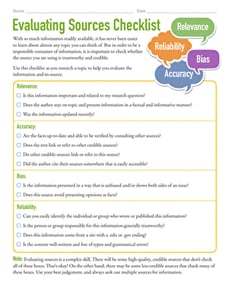
On Education.com, the 7th grade citing and evaluating sources page provides practical guidance on assessing the credibility of information, including the use of the C.R.A.P. (Currency, Relevance, Authority, Accuracy, Purpose) and TRAP (Timeliness, Relevance, Authority, Accuracy, Purpose) tests. Supporters can find worksheets, interactive tools, downloadable checklists, and printable activities to practice scanning articles, websites, and books to determine their reliability for research projects. This content helps students develop critical digital literacy skills essential for classroom assignments, homework, and independent learning.
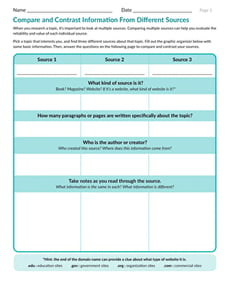
Educators and parents can access lesson plans and classroom activities that focus on reading comprehension and source evaluation strategies. These materials often include structured exercises on comparing sources, identifying bias, and understanding fact-based reporting versus opinion. Using interactive sortable charts and practice quizzes helps students distinguish between trustworthy sources and misinformation across various media, enriching their research and analyzing skills.
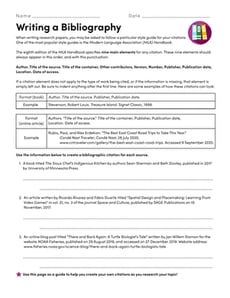
This collection on Education.com simplifies the process of teaching students how to evaluate sources effectively, saving parents and teachers time while providing engaging educational resources. It supports teaching essential research techniques in a structured manner by integrating worksheets, digital exercises, and assessment tools that foster digital literacy. Accessing these materials online ensures children are equipped to navigate information critically, whether for school assignments or pursuing lifelong skills in discerning credible content.
Educators and parents can access lesson plans and classroom activities that focus on reading comprehension and source evaluation strategies. These materials often include structured exercises on comparing sources, identifying bias, and understanding fact-based reporting versus opinion. Using interactive sortable charts and practice quizzes helps students distinguish between trustworthy sources and misinformation across various media, enriching their research and analyzing skills.
This collection on Education.com simplifies the process of teaching students how to evaluate sources effectively, saving parents and teachers time while providing engaging educational resources. It supports teaching essential research techniques in a structured manner by integrating worksheets, digital exercises, and assessment tools that foster digital literacy. Accessing these materials online ensures children are equipped to navigate information critically, whether for school assignments or pursuing lifelong skills in discerning credible content.