
7th Grade Fiction Author's Purpose Resources

About 7th Grade Fiction Author's Purpose Resources
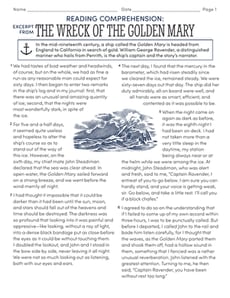
On Education.com, structured lesson plans, printable worksheets, and practice activities help students identify an author's purpose in fiction by exploring PIE (Persuade, Inform, Entertain). These resources teach middle school readers how authors craft stories to amuse, educate, or persuade, encouraging close reading and critical thinking. The site offers hands-on tools like graphic organizers, text analysis exercises, and guided reading pages that make learning about author intent accessible. Educators and parents can use these materials to support comprehension and engagement in 7th-grade literature.
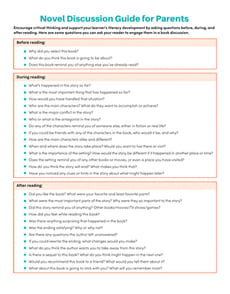
This web page provides educators and parents with access to a range of 7th grade fiction student's purpose worksheets on Education.com, providing exercises that focus on analyzing language, structure, and message to identify an author's intent. Resources include interactive activities, Bubble Map and graphic organizer printables, and discussion guides tailored to middle school fiction. These structured tools make it easy to evaluate how stories entertain, inform, or persuade, and to develop students' skills in reasoning and textual evidence.
Using these resources, teachers can save time by having ready-made activities that combine reading comprehension with critical analysis of author’s motives. Parents can help children practice identifying purpose in stories at home through engaging, educational worksheets. Both educators and caregivers can foster discussions about storytelling techniques, author choices, and message, ultimately strengthening literacy and analytical abilities while making reading both fun and educational.
This web page provides educators and parents with access to a range of 7th grade fiction student's purpose worksheets on Education.com, providing exercises that focus on analyzing language, structure, and message to identify an author's intent. Resources include interactive activities, Bubble Map and graphic organizer printables, and discussion guides tailored to middle school fiction. These structured tools make it easy to evaluate how stories entertain, inform, or persuade, and to develop students' skills in reasoning and textual evidence.
Using these resources, teachers can save time by having ready-made activities that combine reading comprehension with critical analysis of author’s motives. Parents can help children practice identifying purpose in stories at home through engaging, educational worksheets. Both educators and caregivers can foster discussions about storytelling techniques, author choices, and message, ultimately strengthening literacy and analytical abilities while making reading both fun and educational.