Sight Words Resources

446 results
English Language Arts
✕446 results
Sight Words Resources
446 results
English Language Arts
✕446 results
























About Sight Words Resources
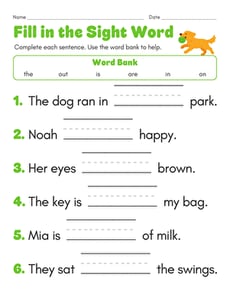
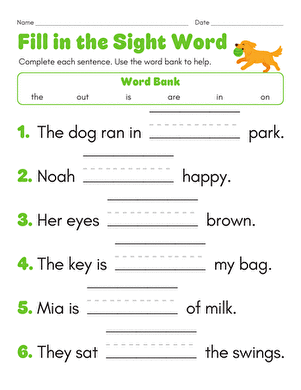
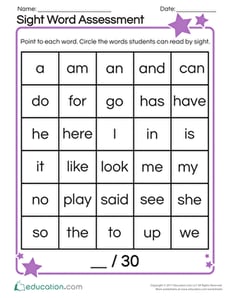
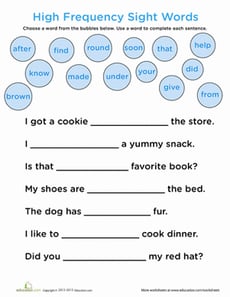
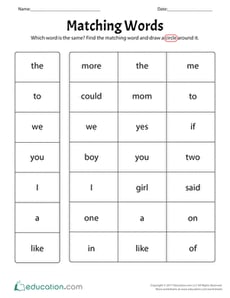
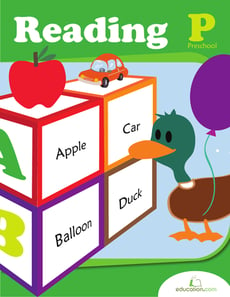
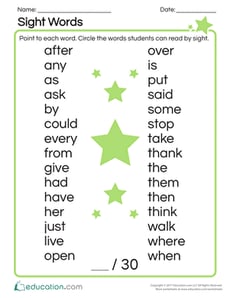
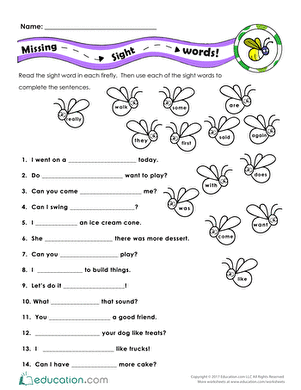
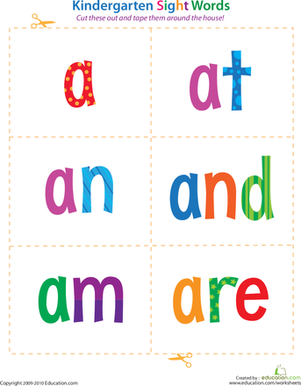
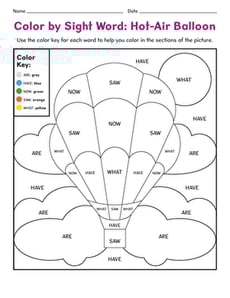
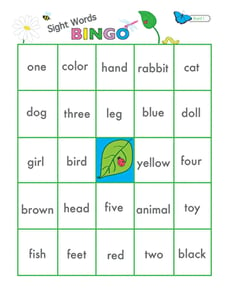
On Education.com, sight words resources offer a wide range of materials that help young learners recognize common words quickly and effortlessly. These resources include printable worksheets, flashcards, practice games, and interactive exercises designed to build reading fluency and confidence. Educators and parents can access structured lesson plans and activities tailored to different grade levels, ensuring results-based learning tailored to each child's progress.
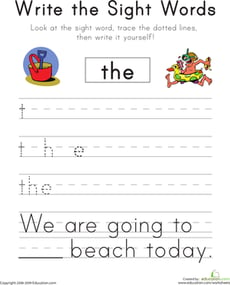
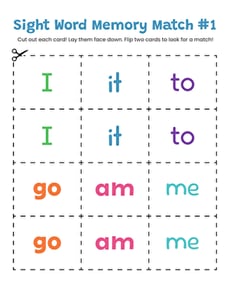
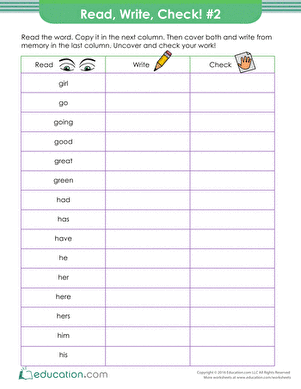
Explore a variety of sight words materials such as flashcard sets for spaced repetition practice, engaging games that reinforce word recognition, and worksheets that support handwriting and reading comprehension. These resources are structured to entertain while making learning effective, helping students improve their reading skills and literacy foundation systematically. With ready-to-use activities, educators and parents can save time creating teaching strategies, strengthen literacy skills, and track a child's progress across classroom or home settings.
Discover how to support early literacy development with relatable and practical structures that make learning sight words enjoyable and accessible. These materials enable structured reinforcement of high-frequency words through phonetics, repetition, and engaging challenges. The resources on Education.com provide enrichments for diverse lesson plans by combining practical activities with fun, hands-on practice to engage children, whether in classrooms or at home.
Explore a variety of sight words materials such as flashcard sets for spaced repetition practice, engaging games that reinforce word recognition, and worksheets that support handwriting and reading comprehension. These resources are structured to entertain while making learning effective, helping students improve their reading skills and literacy foundation systematically. With ready-to-use activities, educators and parents can save time creating teaching strategies, strengthen literacy skills, and track a child's progress across classroom or home settings.
Discover how to support early literacy development with relatable and practical structures that make learning sight words enjoyable and accessible. These materials enable structured reinforcement of high-frequency words through phonetics, repetition, and engaging challenges. The resources on Education.com provide enrichments for diverse lesson plans by combining practical activities with fun, hands-on practice to engage children, whether in classrooms or at home.