
Subtopics:
6th Grade Common Core Make Inferences Resources
Common Core Quick Links:
Common Core Standards for 6th Grade Math, Common Core Standards for 6th Grade ELA



About 6th Grade Common Core Make Inferences Resources
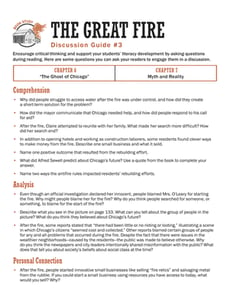
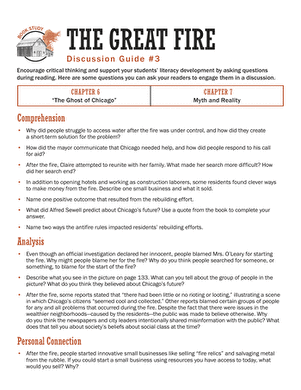
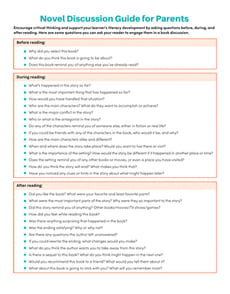
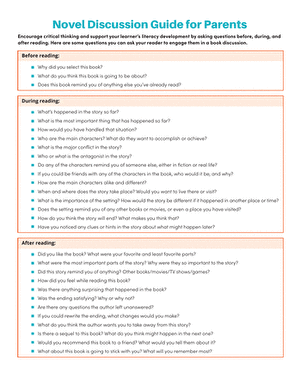
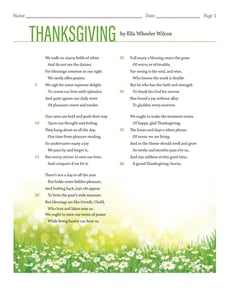
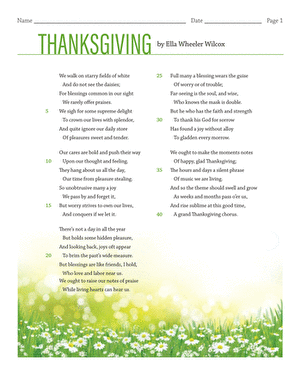
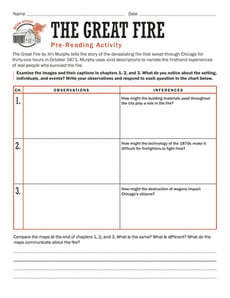
On Education.com, students learn to make inferences by analyzing clues and evidence in texts to draw conclusions, which is a key reading comprehension skill in 6th grade. Educators and parents can access worksheets, printable exercises, and interactive activities designed to strengthen this critical thinking skill across a variety of reading passages. These materials provide structured practice that helps students interpret stories, articles, and other texts with greater insight.
Students explore 6th grade literature and informational texts on Education.com through engaging activities like reading comprehension worksheets, inference exercises, and structured discussion prompts. This wide selection of resources enables learners to identify clues, support conclusions with evidence, and apply critical thinking strategies. Printed and digital formats make it easy to incorporate inference practice into classrooms or classroom-at-home learning routines.
Educators and parents can use these inference resources to provide students with targeted practice that develops analytical thinking, enhances reading skills, and supports proficiency goals. By integrating these exercises into everyday lessons and home study, students gain confidence and independence in understanding complex texts, laying a strong foundation for higher-level reading and learning.
Students explore 6th grade literature and informational texts on Education.com through engaging activities like reading comprehension worksheets, inference exercises, and structured discussion prompts. This wide selection of resources enables learners to identify clues, support conclusions with evidence, and apply critical thinking strategies. Printed and digital formats make it easy to incorporate inference practice into classrooms or classroom-at-home learning routines.
Educators and parents can use these inference resources to provide students with targeted practice that develops analytical thinking, enhances reading skills, and supports proficiency goals. By integrating these exercises into everyday lessons and home study, students gain confidence and independence in understanding complex texts, laying a strong foundation for higher-level reading and learning.