
Subtopics:
- Complete Sentences, Fragments, and Run-Ons
- Types of Sentences
- Ending Punctuation
- Subjects and Predicates
- Phrases and Clauses
- Simple, Compound, and Complex Sentences
- Parts of Speech
- Subject-Verb Agreement
- Capitalization
- Commas✕
- Apostrophes
- Abbreviations
- Quotations
- Colons and Semicolons
- Dashes, Hyphens, and Ellipses
- Combining Sentences
- Expanding Sentences
3rd Grade Commas Resources




















About 3rd Grade Commas Resources
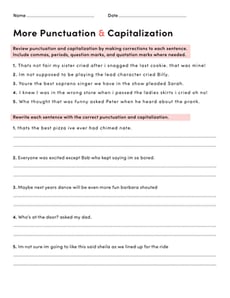
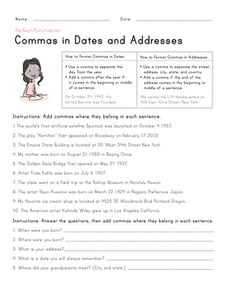
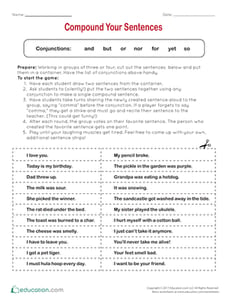
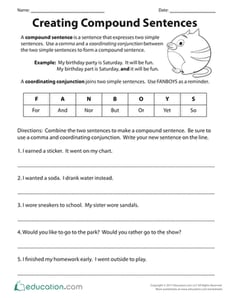
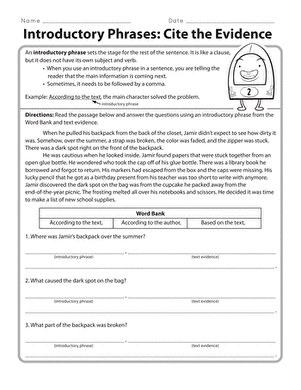
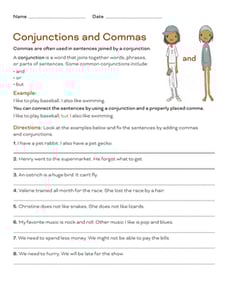
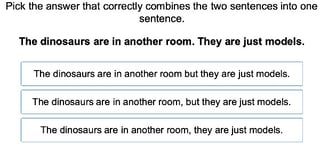
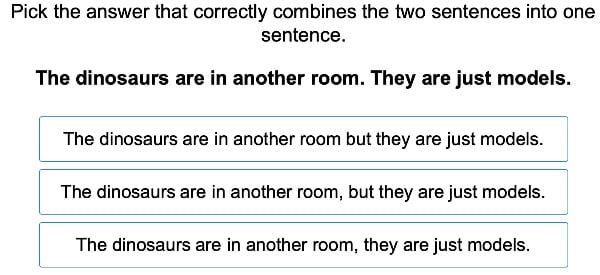
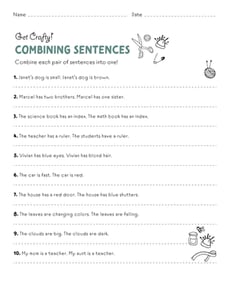
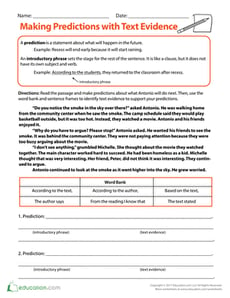
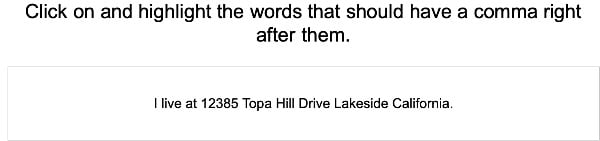
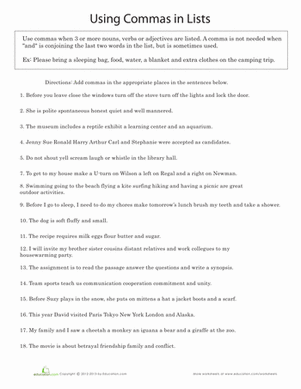
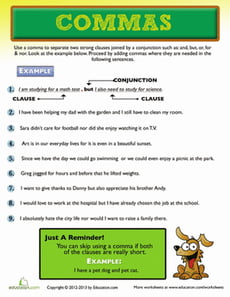
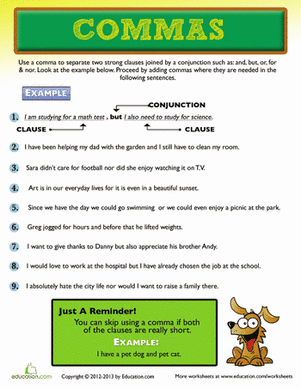
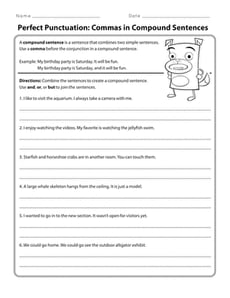
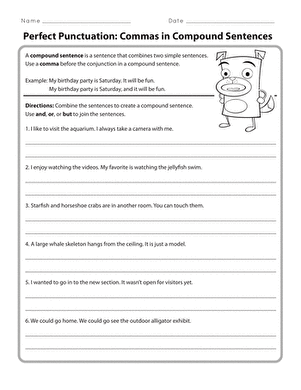
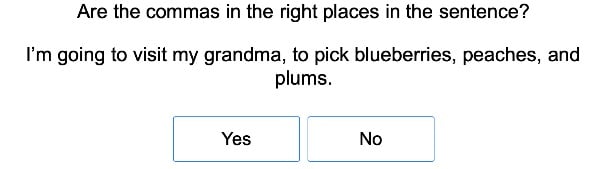
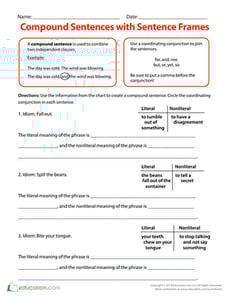
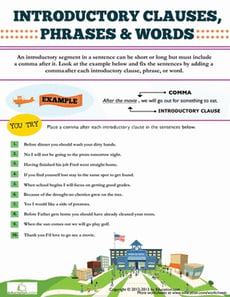
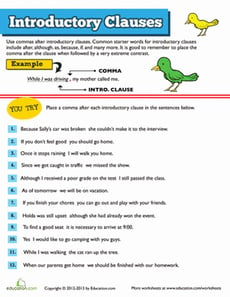
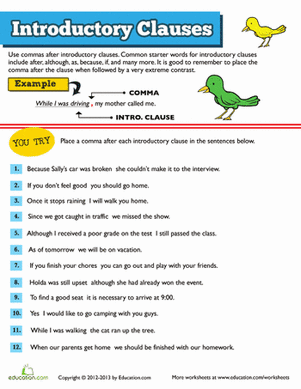
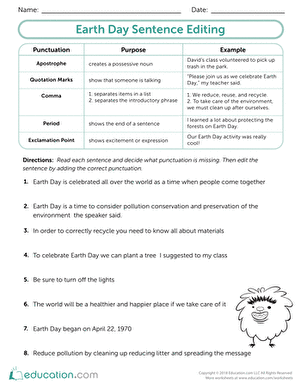
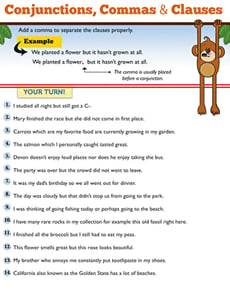
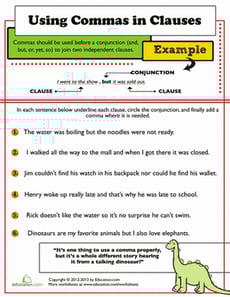
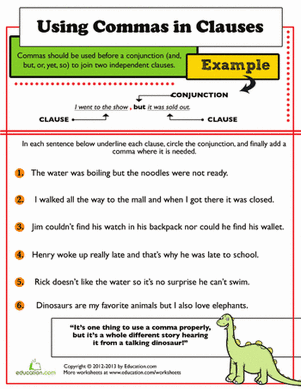
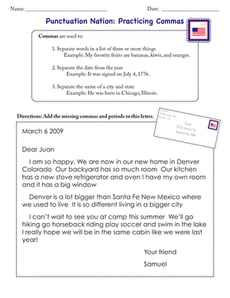
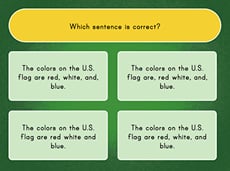
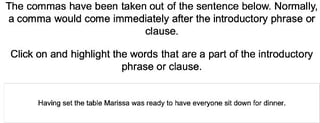
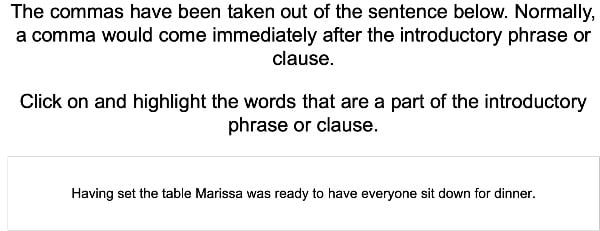
On Education.com, 3rd grade commas resources explore how to use commas correctly in sentences, including in greeting phrases, lists, and introductory elements. These worksheets and activities help students learn to apply comma rules consistently in writing assignments. Practicing these skills enhances clarity and readability in students’ compositions. This page provides printable exercises that guide young learners through comma placement lessons and rules.
Educators and parents can access a variety of 3rd grade commas worksheets, engaging practice pages, and interactive activities that reinforce learning. Materials are structured to build confidence in applying punctuation correctly throughout written work. Students can gradually progress from basic comma usage to more complex sentence constructions, supporting literacy and writing development.
Using these materials in the classroom or at home allows learners to strengthen their understanding of punctuation within context. Each exercise encourages critical thinking and reinforces grammar rules while making learning interactive and enjoyable. Educators and parents can track progress as students practice applying comma conventions effectively in everyday writing.
Educators and parents can access a variety of 3rd grade commas worksheets, engaging practice pages, and interactive activities that reinforce learning. Materials are structured to build confidence in applying punctuation correctly throughout written work. Students can gradually progress from basic comma usage to more complex sentence constructions, supporting literacy and writing development.
Using these materials in the classroom or at home allows learners to strengthen their understanding of punctuation within context. Each exercise encourages critical thinking and reinforces grammar rules while making learning interactive and enjoyable. Educators and parents can track progress as students practice applying comma conventions effectively in everyday writing.