
Classifying Two-Dimensional Shapes Workbooks









About Classifying Two-dimensional Shapes Workbooks
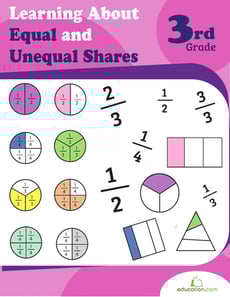
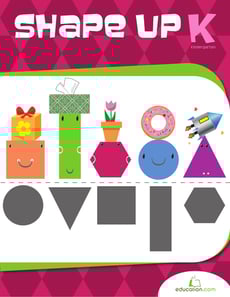
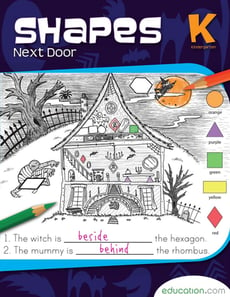
On Education.com, Classifying Two-Dimensional Shapes Workbooks provide structured lessons and activities to help students identify and categorize shapes such as squares, rectangles, triangles, circles, and more. These worksheets emphasize recognizing the properties of each shape, like sides, angles, and symmetry. They support hands-on learning by engaging children in exercises that strengthen shape analysis and comparison skills.
Explore a variety of resources including interactive worksheets, printable exercises, and classroom lesson plans on Education.com that make learning to classify shapes engaging and accessible. Materials include visual aids, shape identification puzzles, and pattern recognition practices, allowing learners to develop confidence in geometry fundamentals while having fun. These tools are designed to reinforce problem-solving abilities and critical thinking.
Educators and parents can use these shape classification pages to enhance lessons in geometry, support early math learning, and practice observational and analytical skills. The materials enable structured instruction, accommodate diverse learning paces, and provide ample practice opportunities, making it easier to incorporate geometry into fun, educational activities.
Explore a variety of resources including interactive worksheets, printable exercises, and classroom lesson plans on Education.com that make learning to classify shapes engaging and accessible. Materials include visual aids, shape identification puzzles, and pattern recognition practices, allowing learners to develop confidence in geometry fundamentals while having fun. These tools are designed to reinforce problem-solving abilities and critical thinking.
Educators and parents can use these shape classification pages to enhance lessons in geometry, support early math learning, and practice observational and analytical skills. The materials enable structured instruction, accommodate diverse learning paces, and provide ample practice opportunities, making it easier to incorporate geometry into fun, educational activities.