
Two-Dimensional Shapes Worksheets



























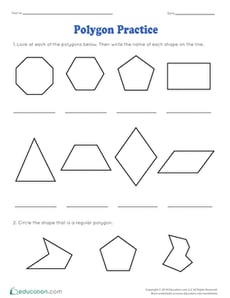

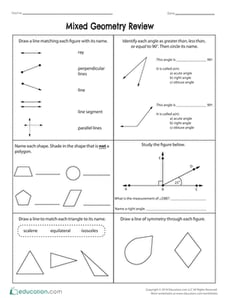

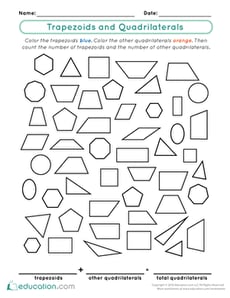

About Two-dimensional Shapes Worksheets
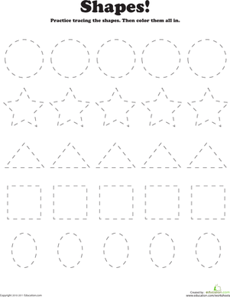
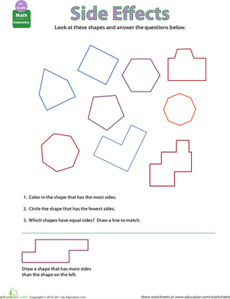
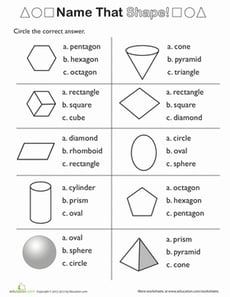
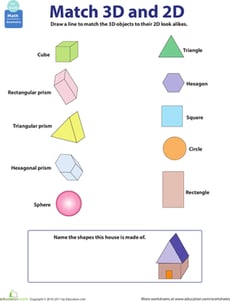
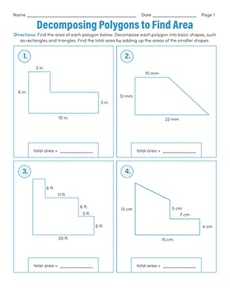
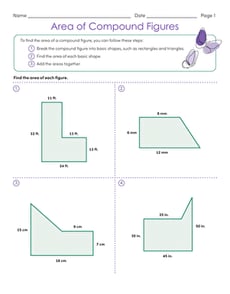
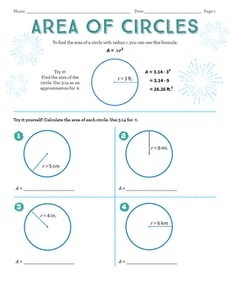
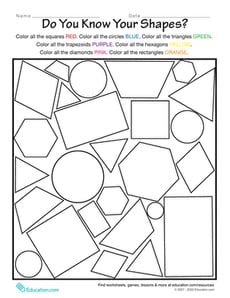
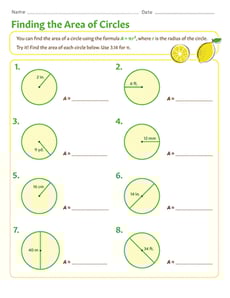
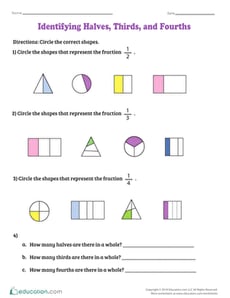
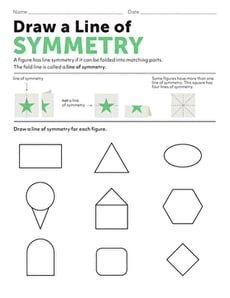
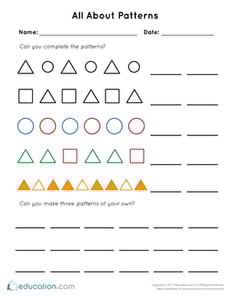
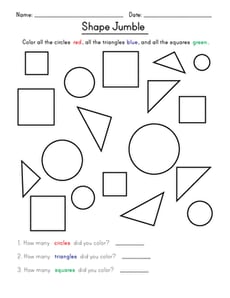
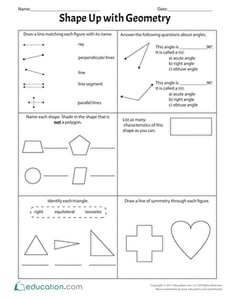
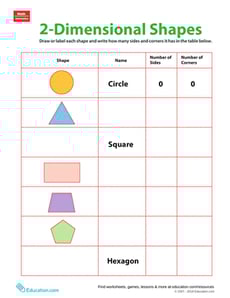
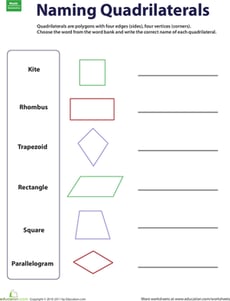
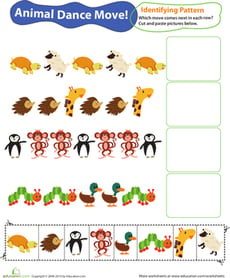
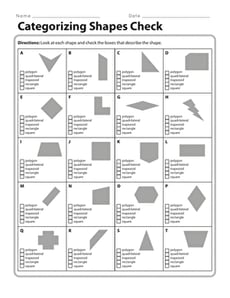
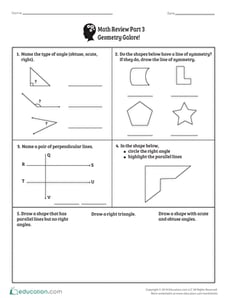
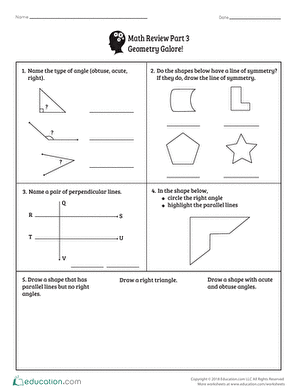
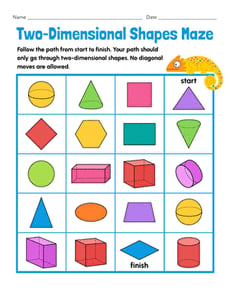
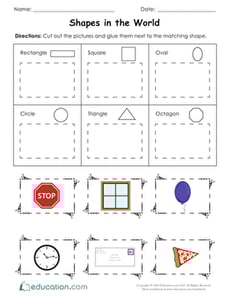
On Education.com, two-dimensional shapes worksheets provide children with guided exercises to identify and differentiate squares, rectangles, triangles, circles, and other flat geometric figures. These printable materials help students recognize shapes by attributes like sides, angles, and symmetry, forming a foundation for geometry skills. Each worksheet includes engaging activities such as matching, drawing, and categorizing shapes, encouraging hands-on learning and visual exploration.
Visitors can explore a variety of shape lesson plans, printable activities, and interactive games that teach geometric concepts effectively. These resources provide structured approaches that support classroom instruction or at-home education, evolving from basic shape recognition to more advanced spatial reasoning. Educators and parents can use these materials to reinforce measurement, symmetry, and pattern recognition within a cohesive learning framework.
Using two-dimensional shapes worksheets enhances students’ understanding of geometry while promoting critical thinking and observation skills. The resources allow learners to practice drawing, labeling, and classifying shapes, preparing them for more complex math topics. Educators and parents can track progress and adapt lessons based on individual needs, providing a comprehensive and enjoyable learning experience.
Visitors can explore a variety of shape lesson plans, printable activities, and interactive games that teach geometric concepts effectively. These resources provide structured approaches that support classroom instruction or at-home education, evolving from basic shape recognition to more advanced spatial reasoning. Educators and parents can use these materials to reinforce measurement, symmetry, and pattern recognition within a cohesive learning framework.
Using two-dimensional shapes worksheets enhances students’ understanding of geometry while promoting critical thinking and observation skills. The resources allow learners to practice drawing, labeling, and classifying shapes, preparing them for more complex math topics. Educators and parents can track progress and adapt lessons based on individual needs, providing a comprehensive and enjoyable learning experience.