
5th Grade Physical Science Resources























About 5th Grade Physical Science Resources
On Education.com, 5th grade physical science resources provide a variety of educational materials designed to introduce students to fundamental concepts in physics, matter, energy, and forces. These resources include worksheets, lesson plans, activities, and experiments that support hands-on learning and curiosity. Teachers and parents can access structured content that aligns with science education standards while making learning engaging and accessible.
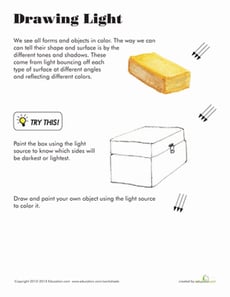
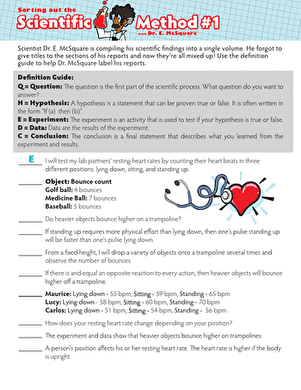
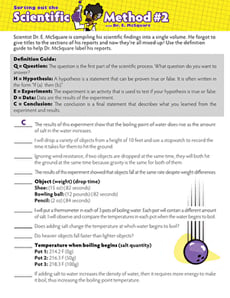
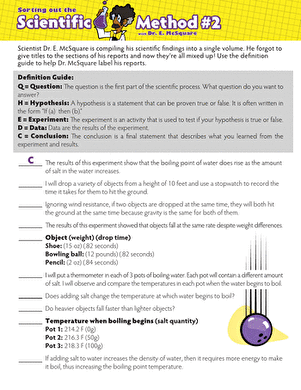
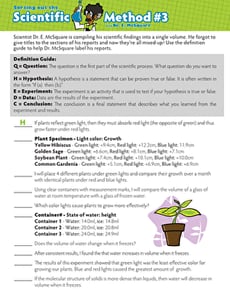
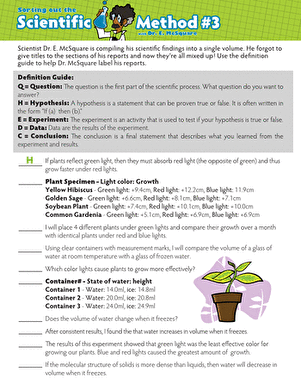
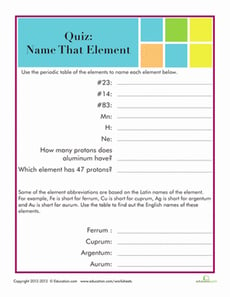
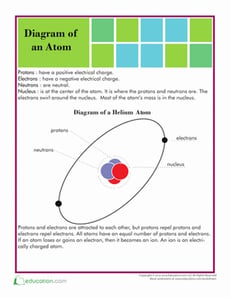
Explore a comprehensive collection of 5th grade physical science worksheets, including experiments, observation activities, and quizzes that reinforce core scientific principles. These materials help students connect theory to real-world applications, developing critical thinking and problem-solving skills. Each page offers practical exercises allowing learners to observe, compare, and analyze physical phenomena effectively.
Discover lesson plans and interactive resources on 5th grade physical science that help educators create engaging learning experiences. These materials save time by providing ready-to-use worksheets, experiment instructions, and assessment tools. Students gain confidence in scientific reasoning and apply concepts to everyday observations and experiments.
Explore a comprehensive collection of 5th grade physical science worksheets, including experiments, observation activities, and quizzes that reinforce core scientific principles. These materials help students connect theory to real-world applications, developing critical thinking and problem-solving skills. Each page offers practical exercises allowing learners to observe, compare, and analyze physical phenomena effectively.
Discover lesson plans and interactive resources on 5th grade physical science that help educators create engaging learning experiences. These materials save time by providing ready-to-use worksheets, experiment instructions, and assessment tools. Students gain confidence in scientific reasoning and apply concepts to everyday observations and experiments.