
Collecting and Organizing Data Workbooks


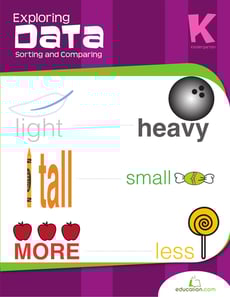

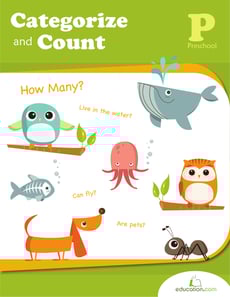


About Collecting And Organizing Data Workbooks
On Education.com, collecting and organizing data workbooks provide structured activities for students to practice gathering, sorting, and analyzing information using methods like spreadsheets, graphs, and charts. These materials help learners develop essential skills in data handling, pattern recognition, and critical thinking while applying math and science concepts. Designed for classroom or at-home use, the workbooks incorporate simulations, chart exercises, and hands-on activities that promote engagement and understanding.
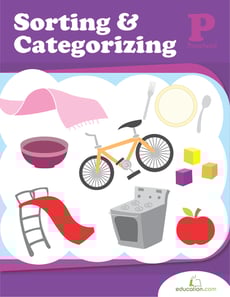
Cursor through Education.com’s collection of worksheets, printables, and digital templates that cover various methods for organizing data, including sorting numbers, categorizing objects, and creating bar graphs. Each lesson introduces a new skill simplified for students to grasp while also providing spaces for practice, observation, and analysis. This approach ensures learners build confidence handling and visually representing information effectively.
Educators and parents can utilize these worksheets to teach foundational data management concepts, reinforce STEM skills, or prepare students for more advanced projects. The structured activities save time by offering ready-made exercises that reinforce educational standards while fostering curiosity, organization, and problem-solving abilities. Students gain a strong foundation in understanding and interpreting data through engaging, practical exercises.
Cursor through Education.com’s collection of worksheets, printables, and digital templates that cover various methods for organizing data, including sorting numbers, categorizing objects, and creating bar graphs. Each lesson introduces a new skill simplified for students to grasp while also providing spaces for practice, observation, and analysis. This approach ensures learners build confidence handling and visually representing information effectively.
Educators and parents can utilize these worksheets to teach foundational data management concepts, reinforce STEM skills, or prepare students for more advanced projects. The structured activities save time by offering ready-made exercises that reinforce educational standards while fostering curiosity, organization, and problem-solving abilities. Students gain a strong foundation in understanding and interpreting data through engaging, practical exercises.