Coloring Worksheets
3,804 results
Worksheets
✕Coloring
✕3,804 results
Coloring Worksheets
3,804 results
Worksheets
✕Coloring
✕3,804 results


















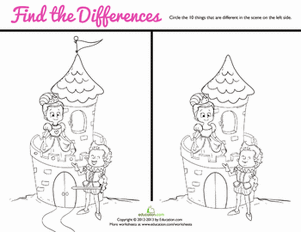










About Coloring Worksheets
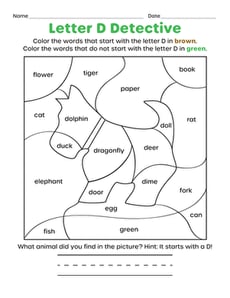
On Education.com, coloring worksheets are printable activities designed to help children develop fine motor skills, improve hand-eye coordination, and explore creativity. These pages cover a wide range of themes, including animals, holidays, classroom objects, and alphabet letters, making learning both fun and interactive. Each worksheet provides structured coloring spaces for children to practice staying within lines while expressing their artistic abilities.
Students can access specially curated coloring pages that support early childhood education, printable sheets that encourage creativity, and themed activity pages to reinforce learning concepts. These resources are designed to be engaging and educational, filled with images that motivate children to practice coloring skills while connecting to other subjects such as reading, math, or science. This makes at-home learning and classroom instruction more enjoyable and accurate, allowing educators and parents to integrate art into broader educational goals.
Using Education.com’s coloring worksheets provides educators and parents with ready-made, organized resources that save time while fostering artistic expression and fine motor coordination. The worksheets support structured practice, create opportunities for learning reinforcement, and encourage children to gain confidence through hands-on activities. This helps make education a rich, interactive experience that combines artistic expression with foundational skill-building.
Students can access specially curated coloring pages that support early childhood education, printable sheets that encourage creativity, and themed activity pages to reinforce learning concepts. These resources are designed to be engaging and educational, filled with images that motivate children to practice coloring skills while connecting to other subjects such as reading, math, or science. This makes at-home learning and classroom instruction more enjoyable and accurate, allowing educators and parents to integrate art into broader educational goals.
Using Education.com’s coloring worksheets provides educators and parents with ready-made, organized resources that save time while fostering artistic expression and fine motor coordination. The worksheets support structured practice, create opportunities for learning reinforcement, and encourage children to gain confidence through hands-on activities. This helps make education a rich, interactive experience that combines artistic expression with foundational skill-building.