
Coloring Rhyming Worksheets













About coloring rhyming worksheets
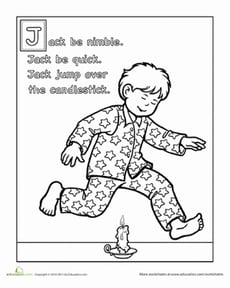
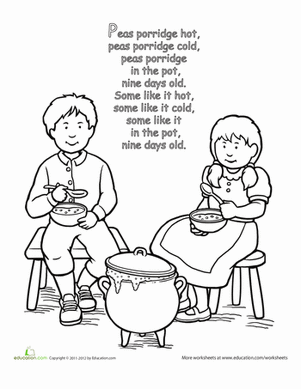
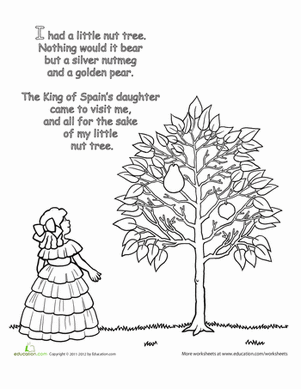
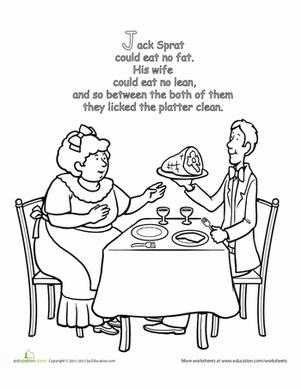
On Education.com, coloring rhyming worksheets provide activity pages where children can practice identifying words that rhyme while engaging with creative and interactive coloring exercises. These worksheets are designed to strengthen phonemic awareness and develop early literacy skills in a fun and hands-on way. Educators and parents can access printable resources that combine art and language learning, making word recognition exciting and accessible.
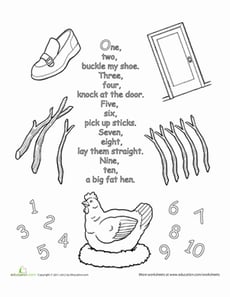
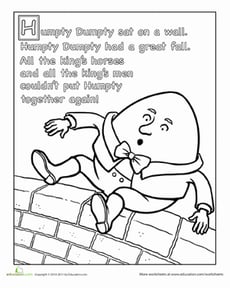
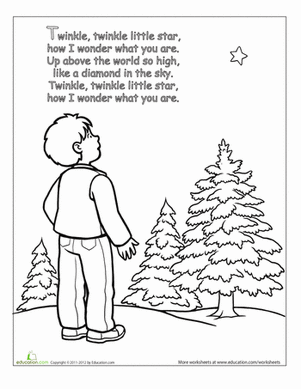
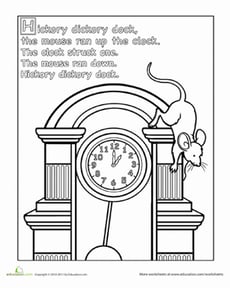
This page offers worksheets that blend coloring activities with rhyming practice, supporting literacy while encouraging artistic expression. Materials on Education.com include exercises where students match words that rhyme, complete rhyme-based sentences, or color images based on sound patterns, reinforcing phonics skills through visual and written cues. These resources provide a structured yet playful approach to building core language abilities.
Educators and parents can use coloring rhyming worksheets to create engaging lesson plans or home activities that promote language development. By incorporating coloring and word-matching exercises, children can improve their listening skills, expand vocabulary, and connect sounds with meanings. This combination of art and literacy makes learning enjoyable and meaningful for early readers.
This page offers worksheets that blend coloring activities with rhyming practice, supporting literacy while encouraging artistic expression. Materials on Education.com include exercises where students match words that rhyme, complete rhyme-based sentences, or color images based on sound patterns, reinforcing phonics skills through visual and written cues. These resources provide a structured yet playful approach to building core language abilities.
Educators and parents can use coloring rhyming worksheets to create engaging lesson plans or home activities that promote language development. By incorporating coloring and word-matching exercises, children can improve their listening skills, expand vocabulary, and connect sounds with meanings. This combination of art and literacy makes learning enjoyable and meaningful for early readers.