Kindergarten Beginning Letter Sounds Worksheets

274 results
English Language Arts
✕Worksheets
✕Kindergarten
✕274 results
Kindergarten Beginning Letter Sounds Worksheets
274 results
English Language Arts
✕Worksheets
✕Kindergarten
✕274 results


























About Kindergarten Beginning Letter Sounds Worksheets
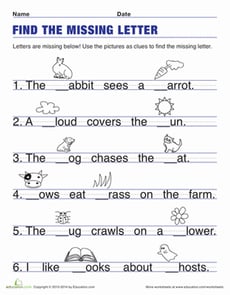
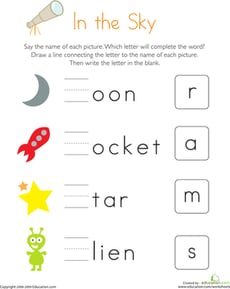
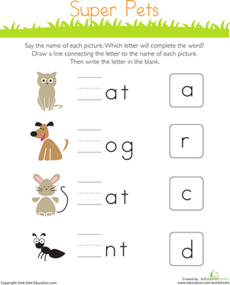
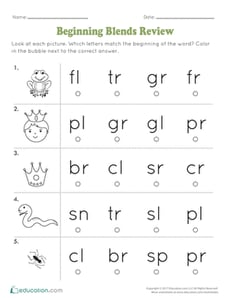
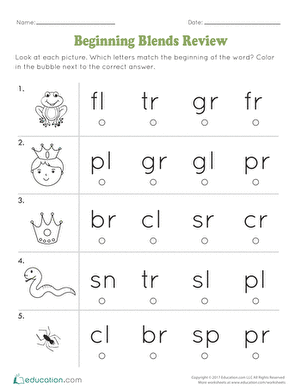
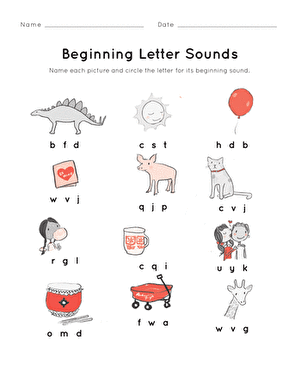
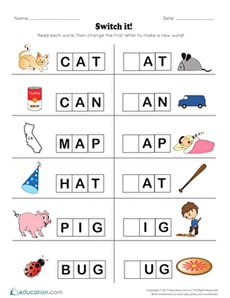
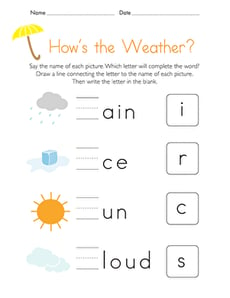
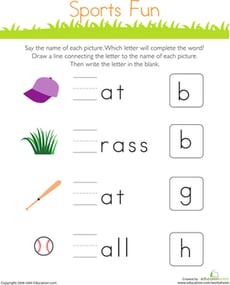
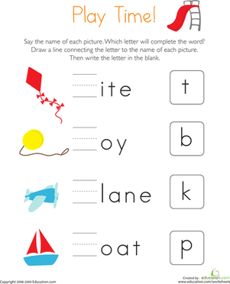
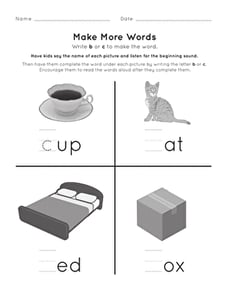
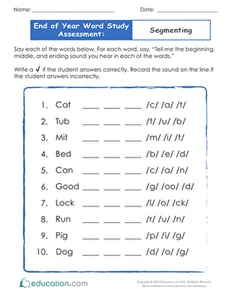
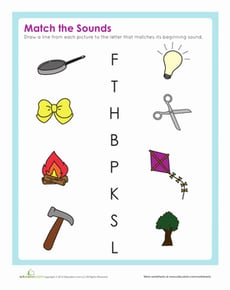
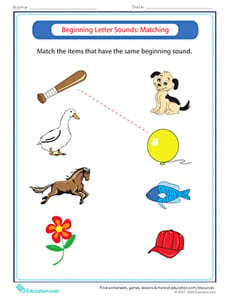
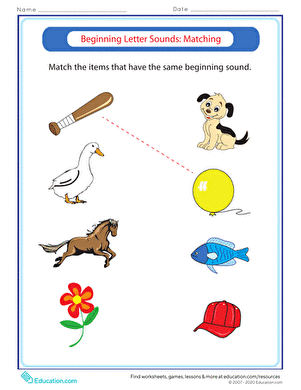
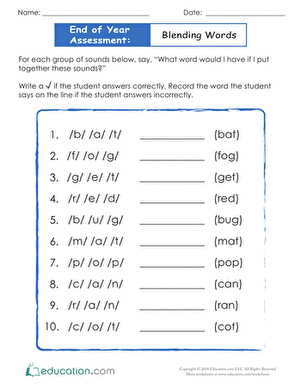
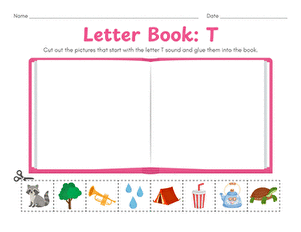
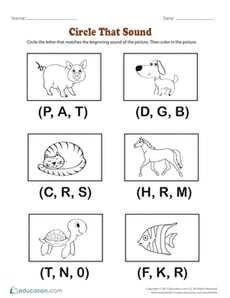
On Education.com, beginning letter sounds worksheets help early learners recognize and practice the initial sounds of each alphabet letter. These foundational resources often include activities like matching pictures to letters, tracing uppercase and lowercase forms, and identifying letter sounds in words. Using these worksheets, parents and teachers can provide students with engaging, structured practice to strengthen phonemic awareness and support reading readiness.
Materials on Education.com range from printable worksheets to interactive games and exercises that promote letter recognition, handwriting practice, and sound-letter association. Each resource is designed to build confidence and classroom or home learning experiences. Educators can incorporate these activities into phonics lessons, while parents can use them to reinforce learning at home, making early literacy fun and effective.
This webpage provides structured, easy-to-access beginning letter sounds worksheets that save time by providing ready-made materials for teaching alphabet recognition and phonetic awareness. They offer a variety of practice formats to keep learning engaging while helping children develop strong foundational reading skills. Parents and educators can confidently use these resources to create focused lessons, enrich early literacy instruction, and track progress.
Materials on Education.com range from printable worksheets to interactive games and exercises that promote letter recognition, handwriting practice, and sound-letter association. Each resource is designed to build confidence and classroom or home learning experiences. Educators can incorporate these activities into phonics lessons, while parents can use them to reinforce learning at home, making early literacy fun and effective.
This webpage provides structured, easy-to-access beginning letter sounds worksheets that save time by providing ready-made materials for teaching alphabet recognition and phonetic awareness. They offer a variety of practice formats to keep learning engaging while helping children develop strong foundational reading skills. Parents and educators can confidently use these resources to create focused lessons, enrich early literacy instruction, and track progress.