
3rd Grade Multiplication Strategies Worksheets


















About 3rd Grade Multiplication Strategies Worksheets
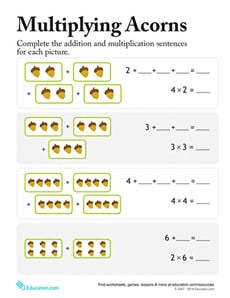
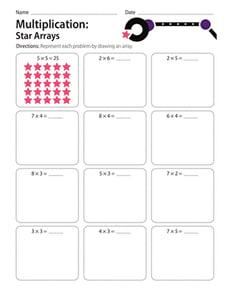
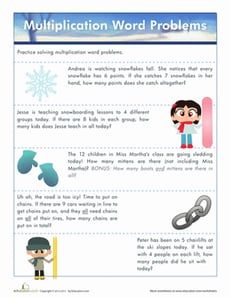
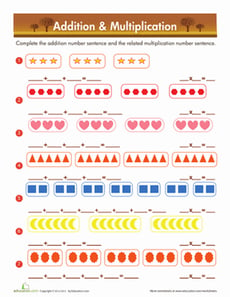
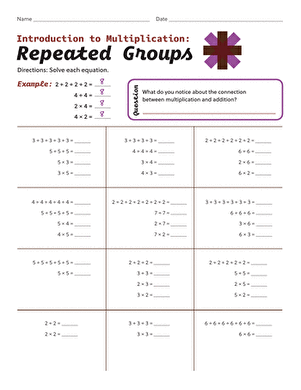
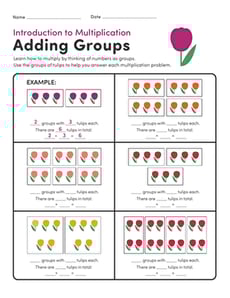
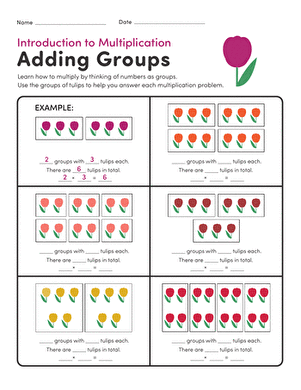
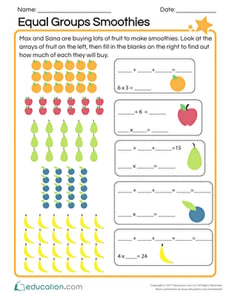
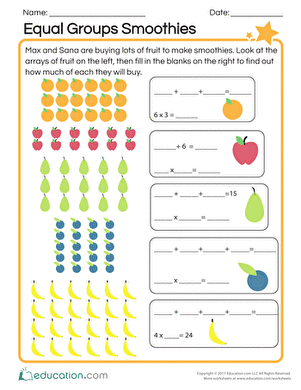
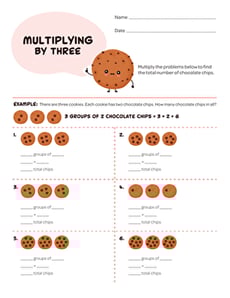
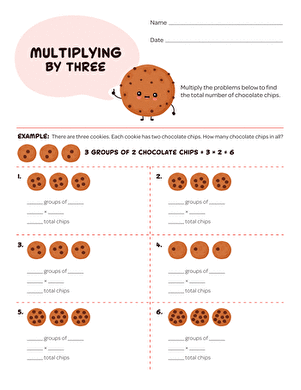
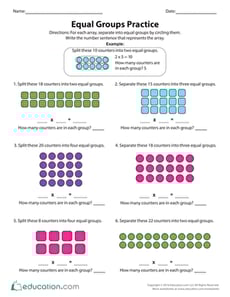
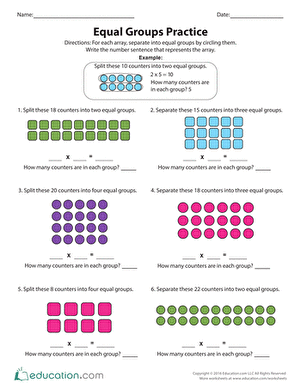
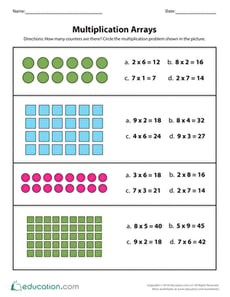
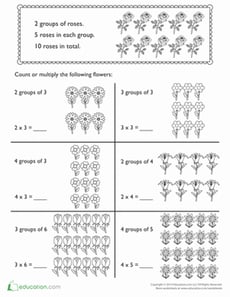
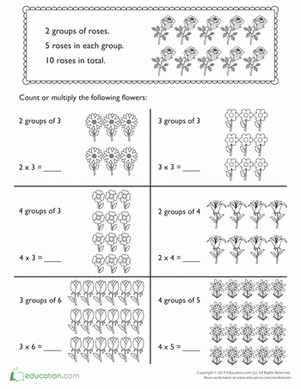
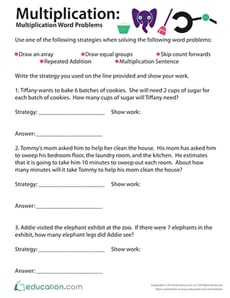
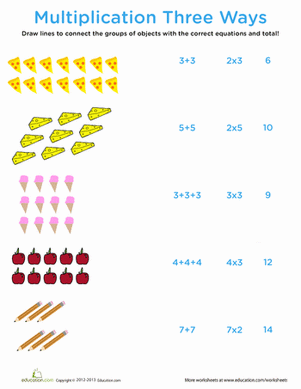
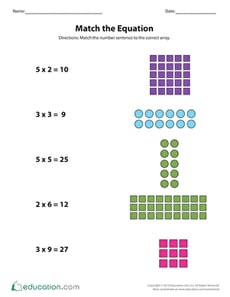
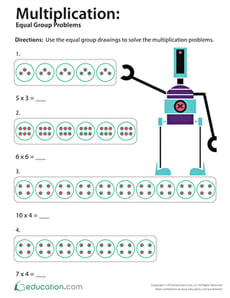
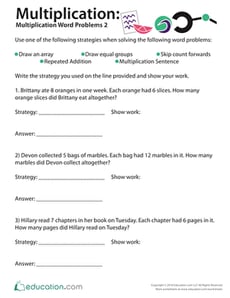
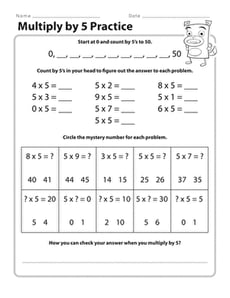
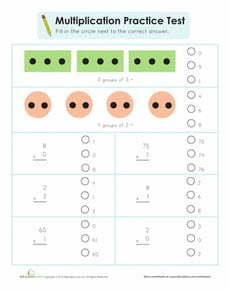
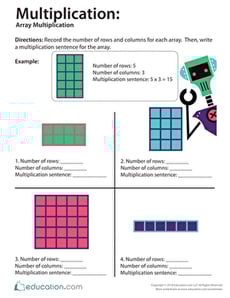
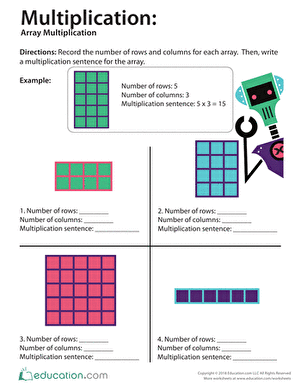
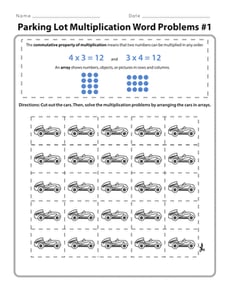
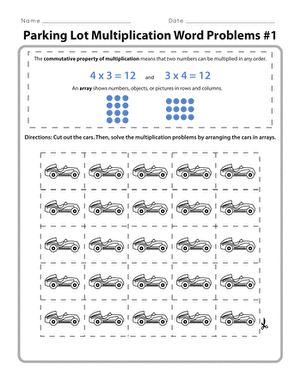
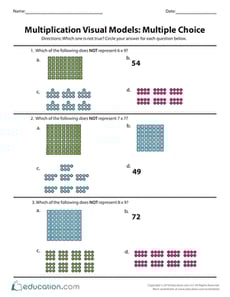
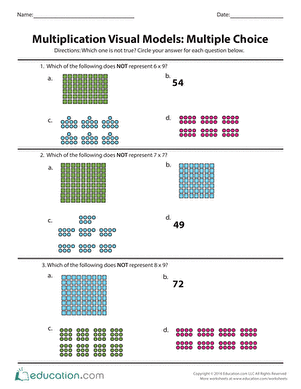
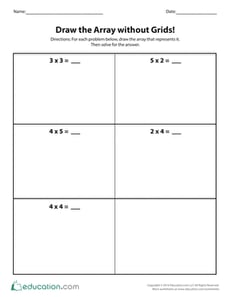
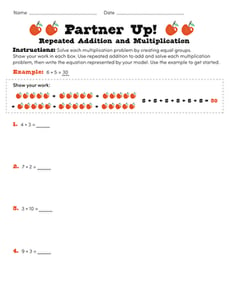
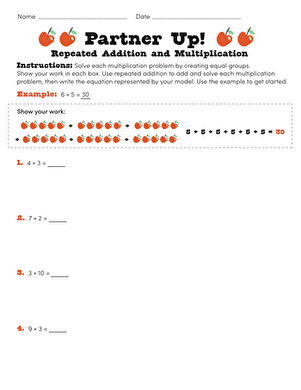
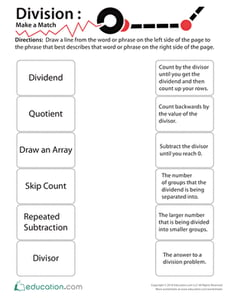
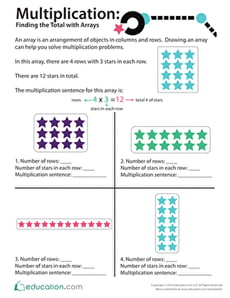
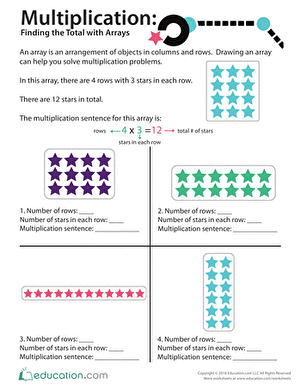
On Education.com, parents and teachers can find a variety of resources to help students learn multiplication strategies, including practice worksheets and activity pages. These materials provide structured ways for 3rd-grade students to master concepts such as skip counting, repeated addition, and arrays, laying a foundation for future math concepts. By using ready-made digital resources, educators and parents can reinforce classroom instruction and support students’ mastery of multiplication fundamentals.
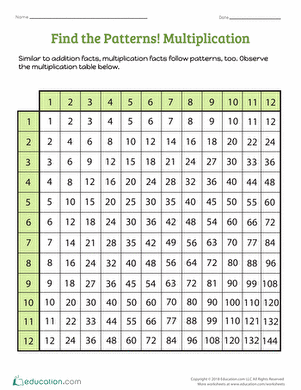
Education.com offers printable lesson plans, interactive exercises, and games focused on 3rd-grade multiplication strategies. Resources are designed to make learning engaging and accessible, with sections dedicated to strategies like doubling, halving, and using multiplication tables. These materials help students build confidence, improve problem-solving skills, and develop a strong grasp of number patterns and relationships.
Educators and parents can save time by accessing ready-configured worksheets that effectively introduce multiplication strategies and reinforce learning through practice. Structured activities like skip-counting games and practice problems provide incremental challenges that promote mastery. These resources support balanced instruction, individualized practice, and encourages hands-on learning.
Education.com offers printable lesson plans, interactive exercises, and games focused on 3rd-grade multiplication strategies. Resources are designed to make learning engaging and accessible, with sections dedicated to strategies like doubling, halving, and using multiplication tables. These materials help students build confidence, improve problem-solving skills, and develop a strong grasp of number patterns and relationships.
Educators and parents can save time by accessing ready-configured worksheets that effectively introduce multiplication strategies and reinforce learning through practice. Structured activities like skip-counting games and practice problems provide incremental challenges that promote mastery. These resources support balanced instruction, individualized practice, and encourages hands-on learning.