
Preschool Nursery Rhymes Worksheets




















About Preschool Nursery Rhymes Worksheets
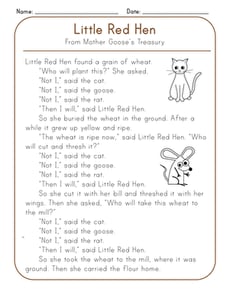
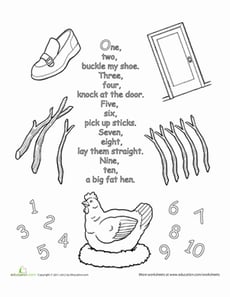
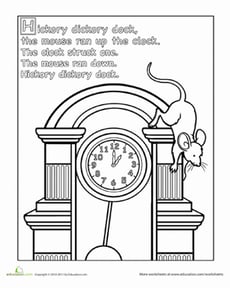
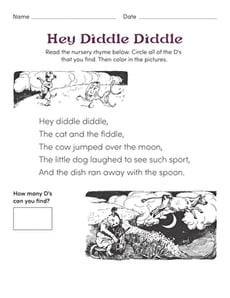
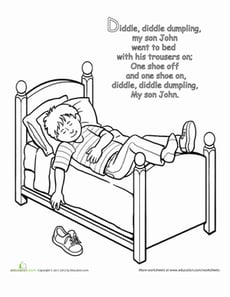
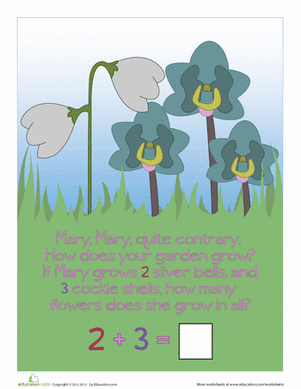
On Education.com, parents and teachers can access a variety of resources to support early literacy, including printable nursery rhyme worksheets featuring familiar rhymes, songs, and illustrations. These materials help young children develop phonemic awareness, vocabulary, and memory skills through fun, engaging activities. The website provides structured lesson plans, coloring pages, and interactive exercises that make learning to read enjoyable and accessible.
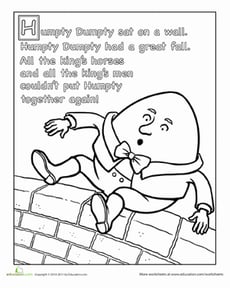
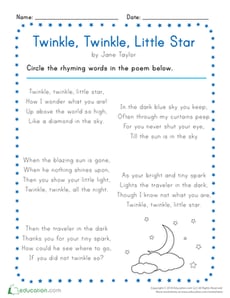
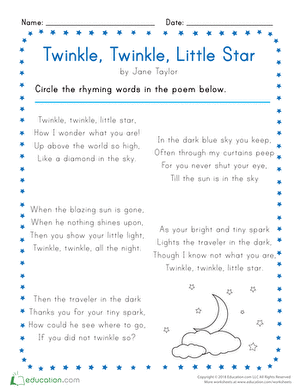
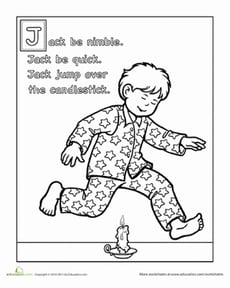
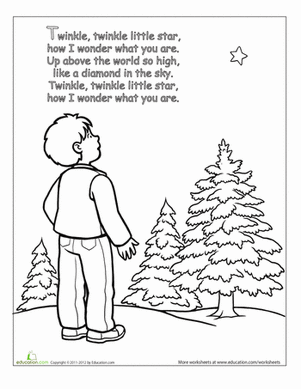
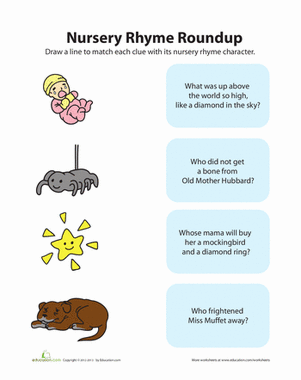
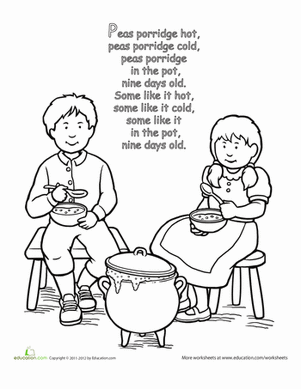
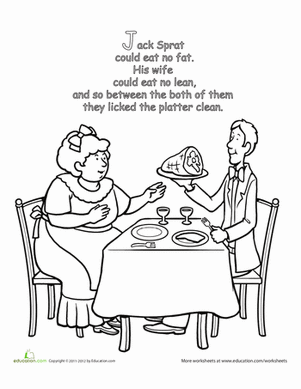
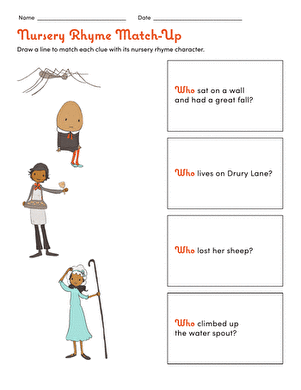
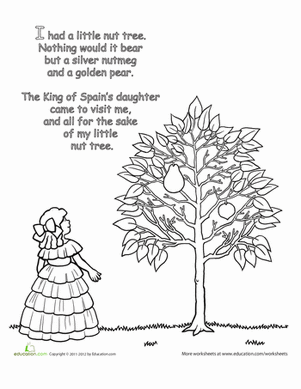
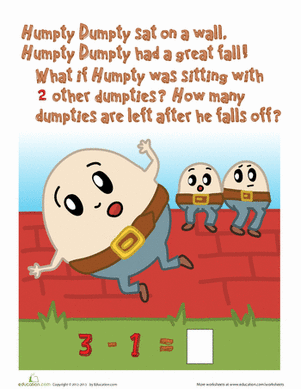
This page offers nursery rhyme worksheets that enable educators and caregivers to reinforce language development, rhythm, and listening skills. Support active learning with printable pages that include matching activities, tracing words, and coloring exercises tied to popular rhymes like 'Humpty Dumpty' or 'The Itsy Bitsy Spider.' Using these materials at home or in the classroom encourages early literacy and fosters a love of reading.
Educators and parents can save time and enhance young learners' experience by providing ready-to-use nursery rhyme worksheets. These resources make it easy to create engaging lesson plans or at-home activities that prioritize learning through play. Organize storytelling, singing, rhythm exercises, or quiet reflection with materials that blend education and entertainment, setting the foundation for literacy success.
This page offers nursery rhyme worksheets that enable educators and caregivers to reinforce language development, rhythm, and listening skills. Support active learning with printable pages that include matching activities, tracing words, and coloring exercises tied to popular rhymes like 'Humpty Dumpty' or 'The Itsy Bitsy Spider.' Using these materials at home or in the classroom encourages early literacy and fosters a love of reading.
Educators and parents can save time and enhance young learners' experience by providing ready-to-use nursery rhyme worksheets. These resources make it easy to create engaging lesson plans or at-home activities that prioritize learning through play. Organize storytelling, singing, rhythm exercises, or quiet reflection with materials that blend education and entertainment, setting the foundation for literacy success.