3rd Grade Subject-Verb Agreement Worksheets

11 results
English Language Arts
✕3rd Grade
✕Worksheets
✕11 results
Subtopics:
3rd Grade Subject-Verb Agreement Worksheets
11 results
English Language Arts
✕3rd Grade
✕Worksheets
✕11 results






About 3rd Grade Subject-verb Agreement Worksheets
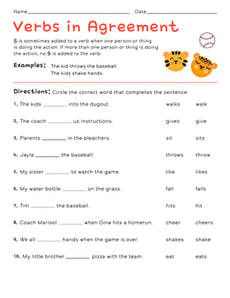
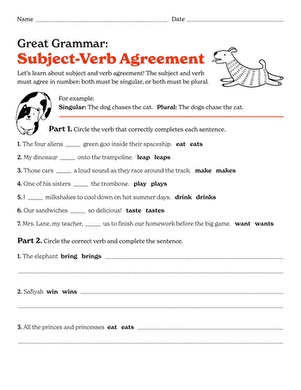
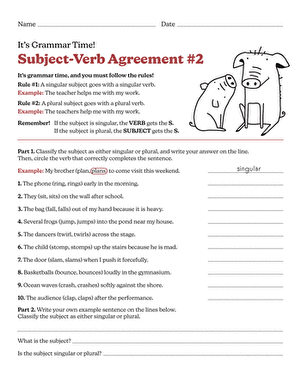
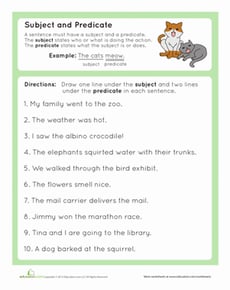
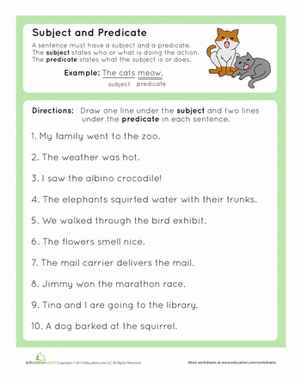
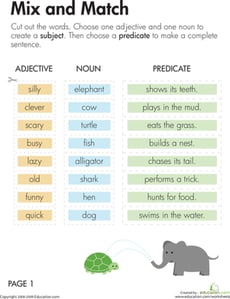
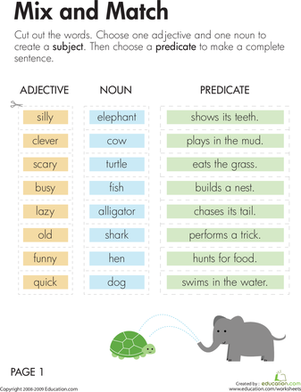
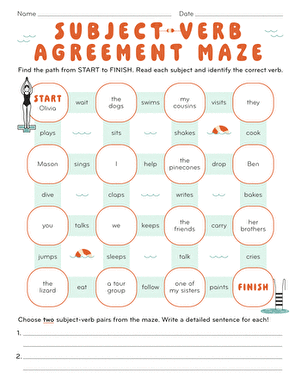
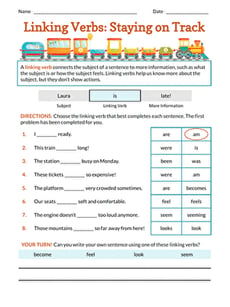
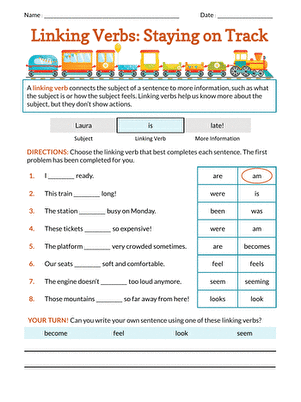
On Education.com, third-grade subject-verb agreement worksheets provide classroom-ready exercises for students to practice ensuring that subjects and verbs in sentences agree in number. These printable activities help young learners recognize singular and plural forms, improving their grammar fluency and writing clarity. Each worksheet guides students through identifying subjects and matching them correctly with Verbs, reinforcing grammatical confidence.
These materials on Education.com include a variety of worksheets, games, and interactive exercises designed to make learning grammar engaging and accessible. Educators and parents can access structured activities that align with curriculum standards, offering hands-on practice in a format that encourages mastery. The site provides resources to track progress and adapt lessons to individual learning paces.
Using these examples in the classroom or at home allows for targeted practice without the need for extensive planning. Students can work independently or collaboratively on fun, educational tasks that build foundational punctuation skills. Parents and teachers alike benefit from clear, guided materials that make reviewing complex language rules straightforward and effective.
These materials on Education.com include a variety of worksheets, games, and interactive exercises designed to make learning grammar engaging and accessible. Educators and parents can access structured activities that align with curriculum standards, offering hands-on practice in a format that encourages mastery. The site provides resources to track progress and adapt lessons to individual learning paces.
Using these examples in the classroom or at home allows for targeted practice without the need for extensive planning. Students can work independently or collaboratively on fun, educational tasks that build foundational punctuation skills. Parents and teachers alike benefit from clear, guided materials that make reviewing complex language rules straightforward and effective.