
3rd Grade Common Core Text Features Worksheets
Common Core Quick Links:
Common Core Standards for 3rd Grade Math, Common Core Standards for 3rd Grade ELA28 results
English Language Arts
✕Worksheets
✕3rd Grade
✕Common Core
✕Sort by:
28 results
Sort by:























About 3rd grade common core text features worksheets
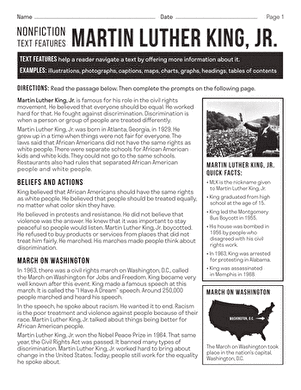
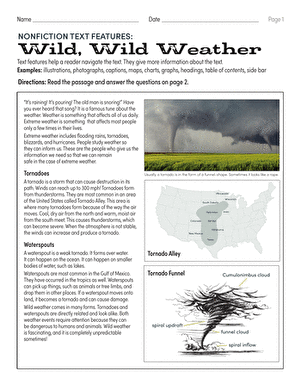
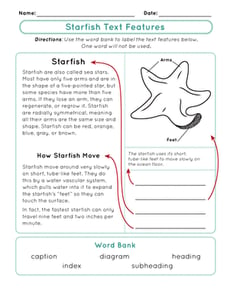
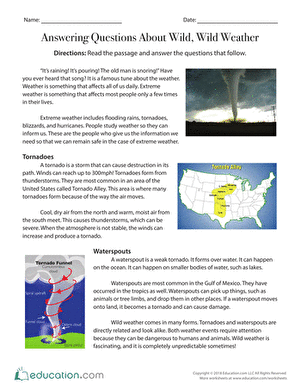
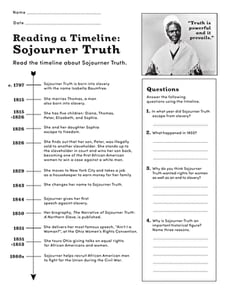
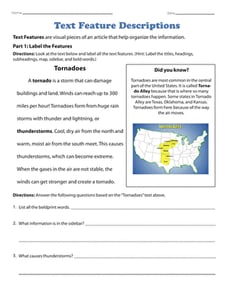
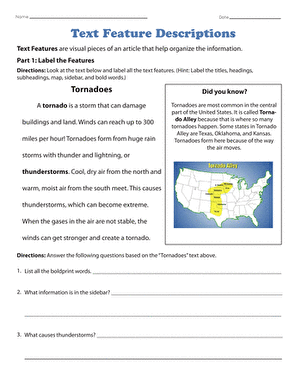
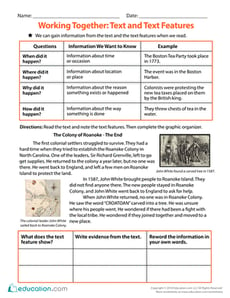
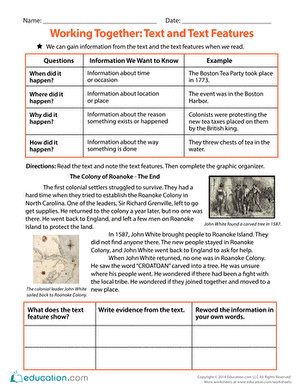
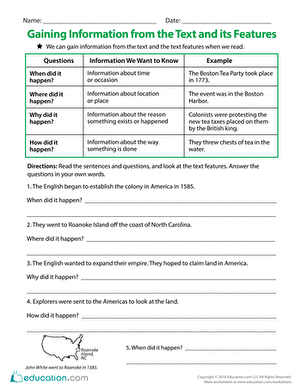
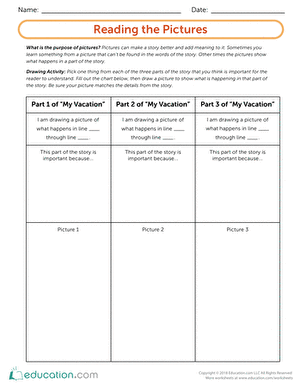
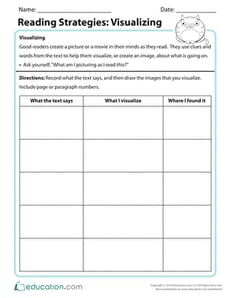
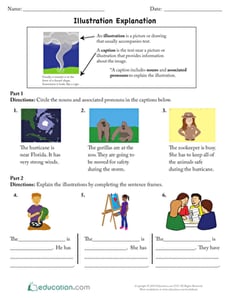
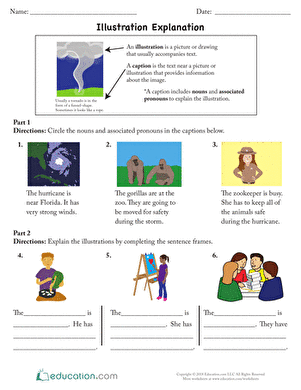
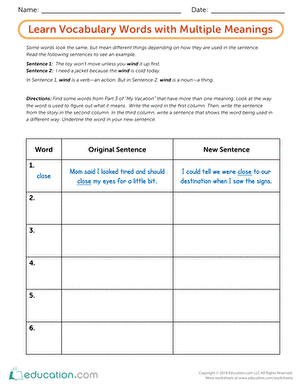
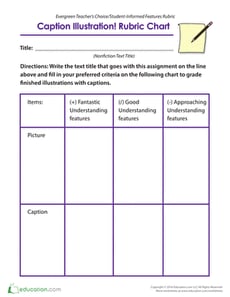
On Education.com, students in 3rd grade can explore worksheets and lesson plans focused on text features. These activities help young readers recognize headings, labels, captions, and other elements that support comprehension. Structured exercises guide students through identifying and understanding different text features in both fiction and nonfiction materials.
Explore a wide variety of printable resources, including practice pages, interactive games, and scaffolded reading exercises that reinforce recognition of text features. Each worksheet offers clear examples and engaging activities to improve reading skills and support foundational literacy. Educators and parents can access ready-to-use materials that build confidence in parsing books and texts effectively.
Using these worksheets at home or in classrooms provides a structured way to practice 3rd grade reading strategies. They save time by providing focused practice on key skills, reinforce classroom learning, and encourage independent critical thinking. Educators can assign targeted activities, while parents can incorporate structured literacy practice into daily reading routines.
Explore a wide variety of printable resources, including practice pages, interactive games, and scaffolded reading exercises that reinforce recognition of text features. Each worksheet offers clear examples and engaging activities to improve reading skills and support foundational literacy. Educators and parents can access ready-to-use materials that build confidence in parsing books and texts effectively.
Using these worksheets at home or in classrooms provides a structured way to practice 3rd grade reading strategies. They save time by providing focused practice on key skills, reinforce classroom learning, and encourage independent critical thinking. Educators can assign targeted activities, while parents can incorporate structured literacy practice into daily reading routines.