
Activity
Make a Snow Gauge

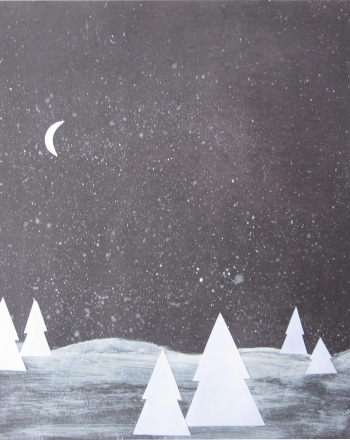
Snow falls from the sky, and so does rain. Both of them end up as water drops. But how much water comes out of snow? Explore this timely question with your kindergarten scientist, and you’ll give her excellent practice in observation, measurement—and ecological awareness, too. The water supply of many states depends on annual snowpack, and scientists need to know very clearly just how much water they can count on! One caution: this experiment requires that you be in a place where snow falls. If you don’t, perhaps you can cultivate a scientific “pen pal” to discuss results!
Related learning resources

Make a Summer Snow Globe
Activity
Make a Summer Snow Globe
Who says snow globes are just for winter? Help your child create a summer version with this fun art project!
Kindergarten
Science
Activity

Snow-doku

Interactive Worksheet
Snow-doku
Snow problem! Celebrate the winter season with this colorful logic puzzle!
Math
Interactive Worksheet

Snow Coloring Page
Worksheet
Snow Coloring Page
Though it brings cold weather and causes major traffic and travel delays, snow turns the world into a winter wonderland.
Kindergarten
Worksheet