
Activity
Get Metaphor and Simile Savvy Through Writing

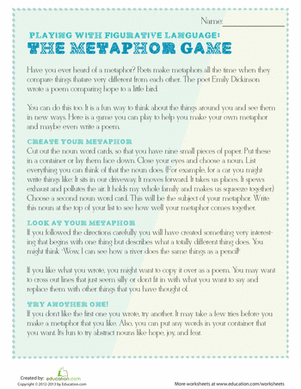
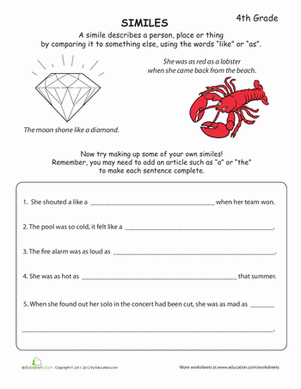
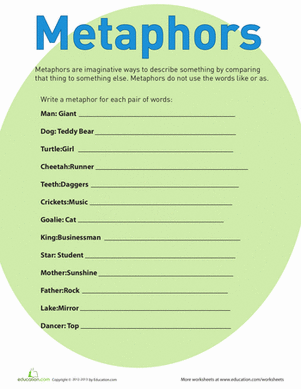
Literary devices are an important aspect of becoming a more effective and creative writer. As your kids improve their writing skills, they will need to be able to incorporate concepts such as simile, metaphor and personification. This activity will give your kids valuable practice using these concepts in their writing. Before long, using terms like metaphors will be a piece of cake!
Related learning resources
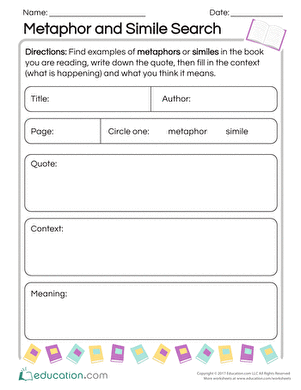
Metaphor and Simile Search
Worksheet
Metaphor and Simile Search
Students will seek out a metaphor or simile in their reading, consider the quote's context, then explain what they
English Language Arts
Worksheet
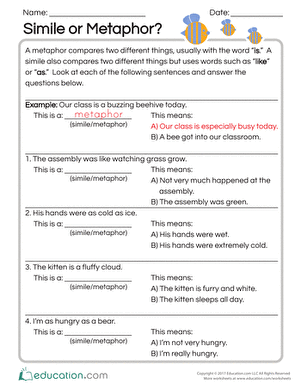
Simile or Metaphor
Worksheet
Simile or Metaphor
Can you tell the difference between a simile and a metaphor?
English Language Arts
Worksheet
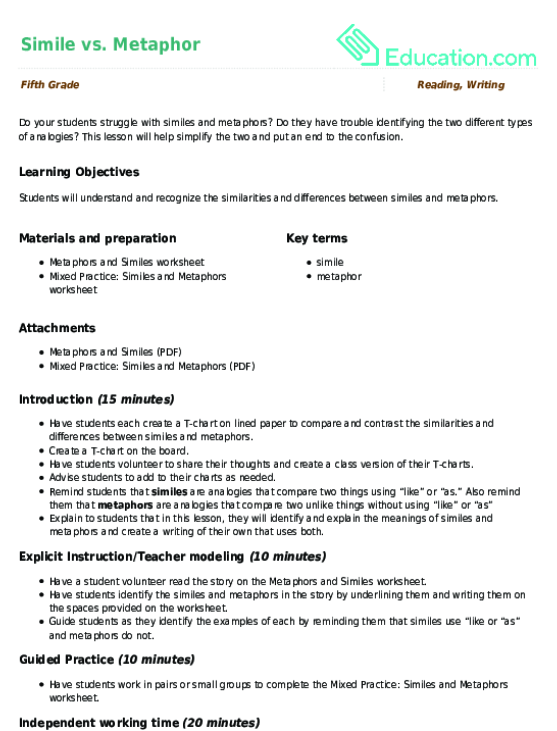
Simile vs. Metaphor
Lesson plan
Simile vs. Metaphor
Do your students struggle with similes and metaphors? Do they have trouble identifying the two different types of analogies? This lesson will help simplify the two and put an end to the confusion.
5th Grade
Lesson plan