
Activity
Make Rose Soap Petals
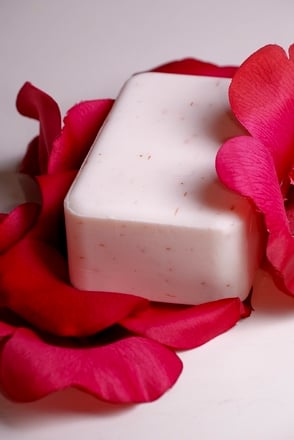
The discovery of soap was one of the most important in human history. Just think about all the things we use soap for, from keeping clothes and dishes clean to sanitation in hospitals.
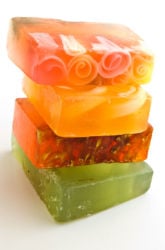
Today we make some kinds of soap using lye (which is leached from ashes), oils, and water, or we can buy ready made glycerin for our crafts. For this activity you'll use a ready made glycerin base to create elegant rose petal hand soaps—a far cry from the harsh lye soaps of yesteryear!
Related learning resources

Candied Rose Petals
Activity
Candied Rose Petals
Follow this Colonial recipe for candied rose petals, and share the sweets with friends, family or classmates.
5th Grade
Social studies
Activity
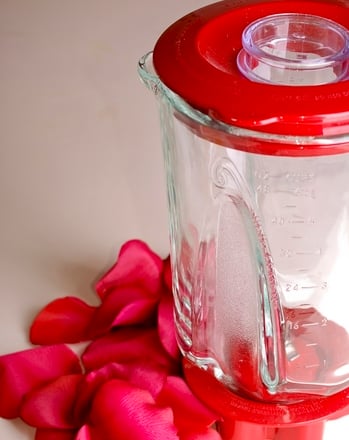
Make Rose Petal Beads
Activity
Make Rose Petal Beads
Who knew that you could make beads out of rose petals? Not only can it be done, but the beads smell wonderful!
3rd Grade
Science
Activity

Soap Science
Activity
Soap Science
This science fair idea project identifies the active ingredients in soap and experiments with the properties of soap.
4th Grade
Science
Activity