5th Grade Physical Science Activities

64 results
Science
✕5th Grade
✕Activities
✕64 results
Subtopics:
5th Grade Physical Science Activities
64 results
Science
✕5th Grade
✕Activities
✕64 results
























About 5th Grade Physical Science Activities
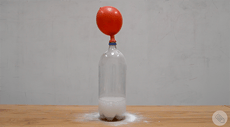
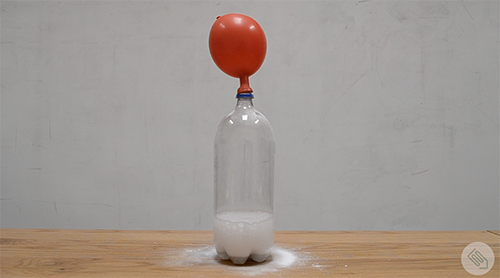
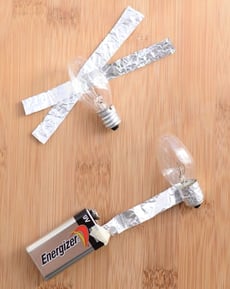
On Education.com, fifth-grade physical science activities help students explore matter, energy, and forces through hands-on experiments. These materials include printable worksheets, experiments, and lesson plans that engage learners in constructing balloon-powered cars, creating Oobleck to understand states of matter, designing DIY batteries from potatoes, and making lava lamps to observe density. The focus is on making scientific principles accessible and fun through easily reproducible classroom and at-home experiments.
Explore Education.com’s wide array of science resources, including worksheets, printable activities, engineering challenges, and project-based lessons that foster experimentation and critical thinking. Materials encourage students to observe physical phenomena, understand scientific concepts, and apply hands-on learning techniques. The resources are designed to support teachers in providing interactive lessons and to inspire students to develop curiosity and problem-solving skills.
Using these educational activities, parents and teachers can save planning time while offering engaging, educational experiences. Each lesson includes clear instructions and materials to facilitate safe, educational exploration of physics and chemistry. This makes it easier for educators to introduce foundational science concepts while providing students with enjoyable learning moments that promote curiosity and retainance.
Explore Education.com’s wide array of science resources, including worksheets, printable activities, engineering challenges, and project-based lessons that foster experimentation and critical thinking. Materials encourage students to observe physical phenomena, understand scientific concepts, and apply hands-on learning techniques. The resources are designed to support teachers in providing interactive lessons and to inspire students to develop curiosity and problem-solving skills.
Using these educational activities, parents and teachers can save planning time while offering engaging, educational experiences. Each lesson includes clear instructions and materials to facilitate safe, educational exploration of physics and chemistry. This makes it easier for educators to introduce foundational science concepts while providing students with enjoyable learning moments that promote curiosity and retainance.