Make a Butterfly Habitat
Topics: First Grade, Science, Outdoor
How would your child like to keep a butterfly as a pet? Create a habitat for a butterfly right in your own home, backyard, or enclosed patio, and your child can enjoy butterflies coming and going all day long! This is actually a simple project that’s easy to maintain. It just takes a little patience and some butterfly knowledge to make this real-life science experiment a success.
You Will Need:
- For indoors, a safe area that will not be disturbed by other family members or pets
- Netting (indoors only): a piece of tight knit mesh or net colander from discount shop works great
- Flat, plastic or wooden tray around 2' x 2' feet (indoors only)
- Butterfly larvae (inexpensive from pet store) or caterpillars. (Note: if this is an indoor habitat, it must include caterpillar or larvae)
- Flowers (native to your area to attract butterflies)
- Twigs
- Leaves
- Dirt
- Small plastic dish
- Salt
- Manure (optional)
- Access to the Internet or library
What to Do:
- First, decide on the location of your butterfly habitat. If you have a nice, sunny location outdoors, this should be your first choice. If you will be creating an indoor habitat, make sure you choose a location near a window that gets a good amount of sunshine.
- Butterflies are easy to attract, as long as you know what they like to eat. If you would like to attract butterflies, you will need to provide nectar plants (listed below).
- Help your child to do a little research on which butterflies are native to your region. A book from the library or an Internet search can reveal this information easily.
- Next, set up your habitat.
For indoors, lay a flat surface board in the size of 2' x 2'.
Lay down twigs, leaves, and small plastic dish with a few drops of water.
Place a few mounds of dirt, with a bit of water on each mound to make it muddy in different spots around the habitat.
Mold netting to a pyramid shape for a cover.
Add larvae or butterflies and watch your habitat daily. Butterflies should lay eggs in and around mud mounds and larvae should go through the entire metamorphosis stage within the habitat. - For outdoors, follow Step 4, excluding the netting part.
- Remember to replenish the food supply for your critters often so they can continue to get nutrition and grow. The indoor and outdoor habitat should get a sprinkling of water from time to time if the conditions are dry.
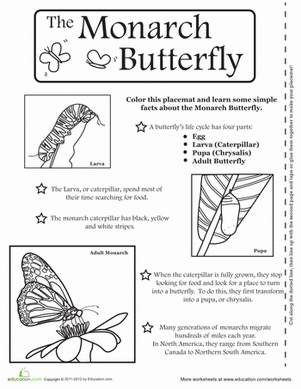
Key facts about butterflies:
-
1
- 2


Comments from readers