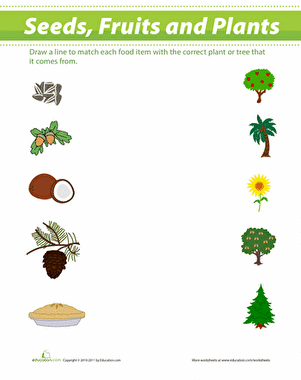

Activity
Baby Seeds

Is your kid curious about where babies come from? He's probably too young for a scientific explanation, but you can help him understand how things grow and change with this lima bean activity. In fact, learning the parts of a plant happens to be a common unit in kindergarten science. Your young scientist will be fascinated to see how seeds send up “baby” shoots.
Related learning resources

Seeds Seeds Seeds
Lesson plan
Seeds Seeds Seeds
In this hands-on science lesson, young botanists will learn about making educated guesses by planting and observing the growth of their very own lima bean seeds.
1st Grade
Science
Lesson plan

Sprouting Seeds
Lesson plan
Sprouting Seeds
They plant seeds and learn what seeds need to grow.
Preschool
Science
Lesson plan
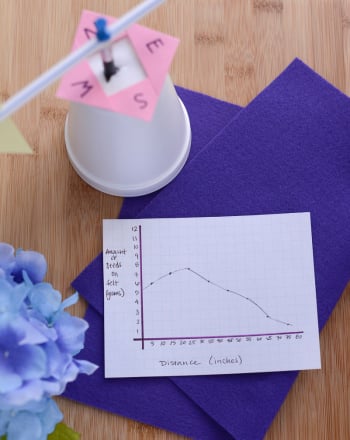
When Seeds Explode
Activity
When Seeds Explode
In this science fair project, students examine under what conditions individual plants release seeds and how far the seeds are released.
3rd Grade
Science
Activity