Kindergarten Sight Words Activities

8 results
English Language Arts
✕Activities
✕Kindergarten
✕8 results
Kindergarten Sight Words Activities
8 results
English Language Arts
✕Activities
✕Kindergarten
✕8 results





About Kindergarten Sight Words Activities
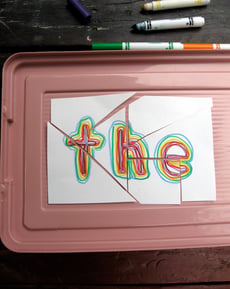
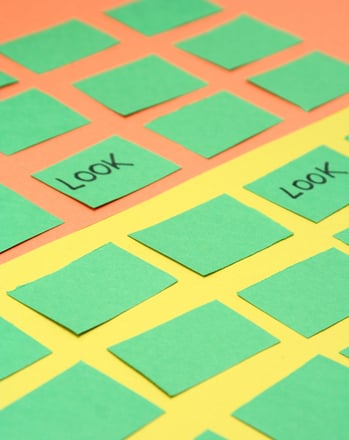
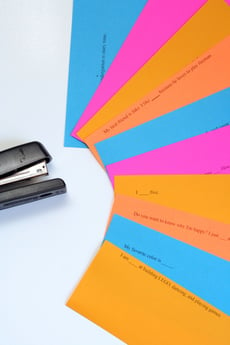
On Education.com, kindergarten sight word activities help young learners recognize and remember high-frequency words through fun and interactive exercises. These guided lessons include worksheets, flashcards, and practice games designed to build reading confidence and fluency. By engaging students in multisensory experiences, educators can reinforce learning and make daily practice enjoyable.
Explore a variety of resources on Education.com, including printable sight word worksheets, hands-on teaching materials, and classroom-ready lesson plans. These materials support structured learning while enabling teachers and parents to track progress and adapt activities to student needs. Using consistent repetition and creative engagement, students strengthen their word recognition skills effectively.
Parents and teachers can utilize kindergarten sight word materials on Education.com to provide guided practice, reinforce magnet reading lessons, and increase reading readiness. These resources make it easy to incorporate sight word games, writing exercises, and pattern-based activities into everyday learning routines. Using a variety of multisensory methods, children develop strong foundational literacy skills that support lifelong learning.
Explore a variety of resources on Education.com, including printable sight word worksheets, hands-on teaching materials, and classroom-ready lesson plans. These materials support structured learning while enabling teachers and parents to track progress and adapt activities to student needs. Using consistent repetition and creative engagement, students strengthen their word recognition skills effectively.
Parents and teachers can utilize kindergarten sight word materials on Education.com to provide guided practice, reinforce magnet reading lessons, and increase reading readiness. These resources make it easy to incorporate sight word games, writing exercises, and pattern-based activities into everyday learning routines. Using a variety of multisensory methods, children develop strong foundational literacy skills that support lifelong learning.