
Activity
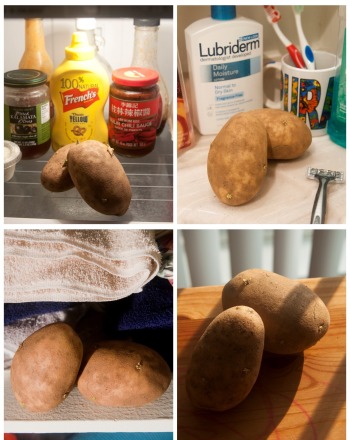
Potato Battery

Who knew that those tasty spuds can also do double-duty as an undercover battery? Believe it or not, the common potato has the capacity to create enough electrochemical energy to power a small digital clock. The trace amount of acid and salt in the potato serves as an electrolyte and makes an excellent conductor.
Related learning resources

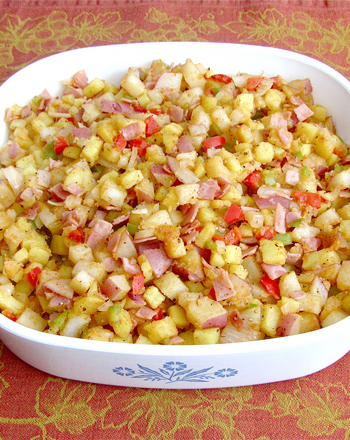
German Potato Salad
Activity
German Potato Salad
Instead of loading up on mayonnaise based potato salad, your child can whip up something healthier: German potato salad!
5th Grade
Activity

Potato Pancakes
Activity
Potato Pancakes
Patrick's Day, bond with your child over delicious potato pancakes that work for any meal.
Activity
Sweet Potato Fries Recipe
Activity
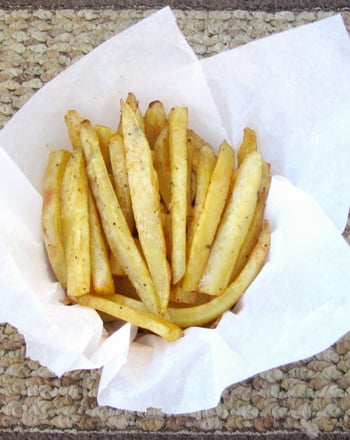
Sweet Potato Fries Recipe
Baked rather than fried, these sweet potato fries are a healthier alternative to classic French fries.
5th Grade
Activity