Activity
Explore Color Science with Grape Juice
First graders love experimenting and pretending to be scientists. They also enjoy playing in the kitchen and mixing ingredients to create something new. It's especially exciting for them when they can make something change in some unexpected or dramatic way. In this activity, your child will learn scientific terms such as "acid" and "base", "chemical reaction" and "indicator" as she watches liquids change colors. She'll love being a “Color Scientist” and—who knows—this activity might even spark an interest in chemistry!
What You Need:
- Frozen concentrated grape juice in a pitcher or other container
- Science Journal or lined paper to record steps and observations
- Pencil
- Crayons
- Water
- Vinegar
- A stirring spoon
- Soap
- Jars or glasses
- Baking soda
- Lemon juice
What You Do:
- In advance, thaw the frozen grape juice and mix it with an equal amount of water in a pitcher.
- Give her some grape juice in two jars or glasses. Explain that she will be experimenting to see if she can make the purple grape juice change color. It will look like a magic trick, but it's really a chemical reaction: a change that takes place when certain substances come into contact with one another.
- Have her pour a little lemon juice into one of the glasses filled with grape juice. In her Science Journal or on the sheet of paper, help her record what she mixed together (grape juice and lemon juice) and then have her record what happened. Have her draw a picture of what she saw.
- Explain to her that the lemon juice is an acid. All acids will turn a blue liquid or indicator, red. Tell her that the grape juice is called an indicator because it will indicate (or tell) whether another liquid is an acid.
- Next, add two spoons of baking soda to the second glass or jar of grape juice. Again, have her record what she mixed together as well as the results. This time the grape juice should turn green.
- Explain to her that the baking soda is the opposite of an acid. It is what is known as a base. A base will change the color of an indicator from blue to green.
- Now, see what happens if you add some baking soda to the red liquid (the grape juice and lemon juice). It should change back to purple—the indicator color for neutral. Ask her what she thinks would happen if lemon juice was added to the green liquid? Make sure she doesn't drink the grape juice she's been experimenting with, or she will be in for a not-so-tasty treat!
Extension Activities:
- Empty the two glasses of juice you and your child have been experimenting with and pour fresh grape juice into each one. Let her experiment with vinegar and soap (dish soap works fine) to determine which is an acid and which is a base, based on the color that each turns the grape juice. Continued experimentation will allow her to build on what she learned from the previous experiment with the lemon juice and baking soda.
- Flowers called hydrangeas produce blue flowers when planted in acidic soil, but pink flowers when planted in a basic soil. Adding an acid or base to the soil can make the flowers change from one color to the other. If you have a hydrangea in your yard, try this experiment!
Related learning resources
Does 100% Fruit Juice Have More Vitamin C than Juice with Artificial Ingredients?
Activity
Does 100% Fruit Juice Have More Vitamin C than Juice with Artificial Ingredients?
Does 100% Fruit Juice have more Vitamin C than juice with artificial ingredients? Find out in this science fair project idea!
Science
Activity
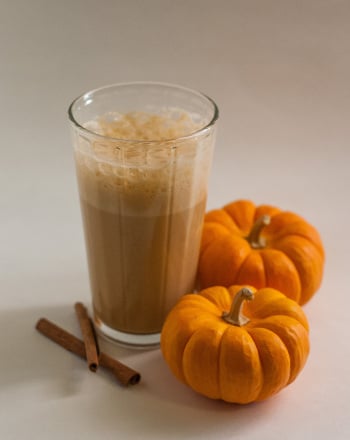
Pumpkin Juice
Activity
Pumpkin Juice
Enjoy the season of crunchy leaves and crisp harvest scents with a tall glass of pumpkin juice.
3rd Grade
Activity
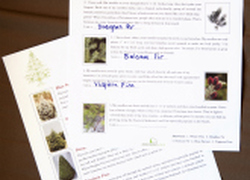
Explore Christmas Tree Science
Activity
Explore Christmas Tree Science
This season is a great time to explore the many shapes, sizes, and species of evergreen trees. Download our "field guide" activity and learn more!
3rd Grade
Science
Activity
Fermentation as a Function of Sugar Content in Fruit Juice
Activity
Fermentation as a Function of Sugar Content in Fruit Juice
Check out this fun science fair project idea to explore fun facts about fruit juices and learn why do juices turn bad in the fridge.
Math
Activity
Layering Liquids: Explore Density Science
Activity
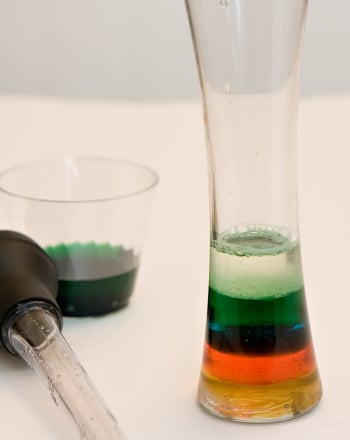
Layering Liquids: Explore Density Science
Teach your child some scientific basics as you explore the densities of various liquids in this fun experiment.
5th Grade
Science
Activity
Orange Juice Coloring Page
Worksheet
Orange Juice Coloring Page
Help your little learner get familiar with food sight words by coloring this orange juice coloring page.
English Language Arts
Worksheet
Juice Box Police Radio
Activity
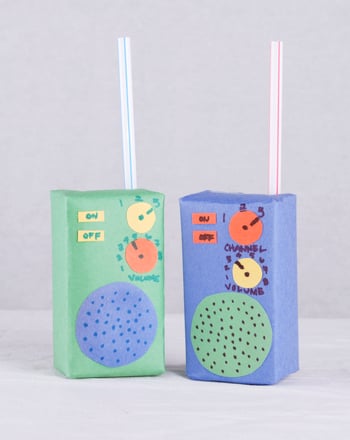
Juice Box Police Radio
Here's a quick and easy way to turn a used juice box into a police radio for hours of play!
Social studies
Activity
Vitamins In Your Juice
Activity
Vitamins In Your Juice
...
vitamin C, fruit juice, orange, apple, cranberry, grape, ascorbic acid, titration, titrate, titrating solute, oxidation reduction reaction, indicators, science...
Science
Activity
Grapes in Spanish
Worksheet
Grapes in Spanish
From seed to vine to fruit, take a look at the grape with this coloring page and introduce your child to the word "grapes" in Spanish and English!
Foreign language
Worksheet
Apple Slice Science!
Activity
Apple Slice Science!
Apple slices can turn brown, but when they are coated with lemon juice the acid keeps the apples fresh. Here's how to help your preschooler experiment:
Preschool
Activity
Experiment with Boiled Egg Science
Activity
Experiment with Boiled Egg Science
This kindergarten science activity will help her explore the changing states of matter which transform an egg from raw to soft to hard-boiled.
Kindergarten
Science
Activity
Writing Science Fiction
Worksheet
Writing Science Fiction
Explore limitless frontiers while writing science fiction.
3rd Grade
Worksheet