
2nd Grade Arts & Crafts Science Activities



















About 2nd Grade Arts & Crafts Science Activities
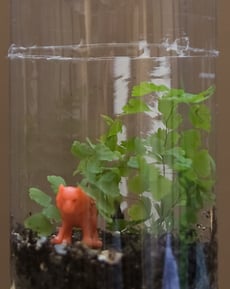
On Education.com, 2nd grade arts and crafts science activities combine creativity with hands-on exploration of natural and physical phenomena. Students can build terrariums to learn about ecosystems, create salt crystal art to understand crystallization, or make non-Newtonian fluids like Oobleck to observe states of matter. These projects encourage experimentation and help children connect scientific concepts to real-world applications.
This page provides a variety of structured worksheets, printable activities, and lesson plans that guide students through engaging science projects. Resources demonstrate scientific principles through accessible materials, making learning tangible and enjoyable. Educators and parents can find activities featuring plant and animal studies, measurements, chemical reactions, and physical properties, complemented by step-by-step instructions and demonstrations.
Educators and parents can use these arts and crafts science activities to enhance classroom lessons, at-home experiments, or science fairs. Using simple, everyday materials makes science approachable and fun while reinforcing observation, Critical Thinking, and problem-solving skills. These resources make science interactive, providing a memorable learning experience.
This page provides a variety of structured worksheets, printable activities, and lesson plans that guide students through engaging science projects. Resources demonstrate scientific principles through accessible materials, making learning tangible and enjoyable. Educators and parents can find activities featuring plant and animal studies, measurements, chemical reactions, and physical properties, complemented by step-by-step instructions and demonstrations.
Educators and parents can use these arts and crafts science activities to enhance classroom lessons, at-home experiments, or science fairs. Using simple, everyday materials makes science approachable and fun while reinforcing observation, Critical Thinking, and problem-solving skills. These resources make science interactive, providing a memorable learning experience.