
Nonfiction Cause and Effect Resources






















About Nonfiction Cause And Effect Resources
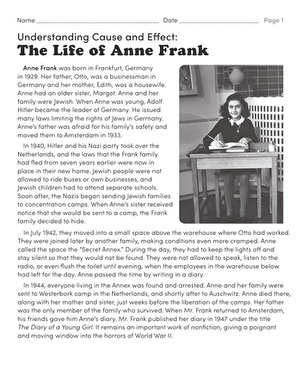
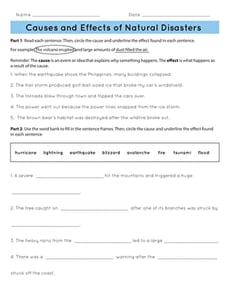
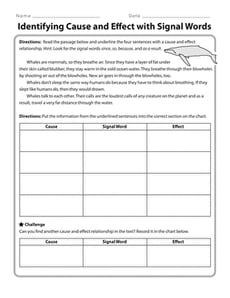
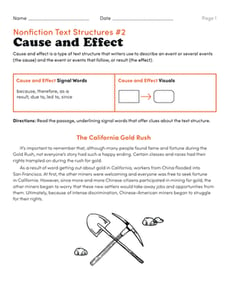
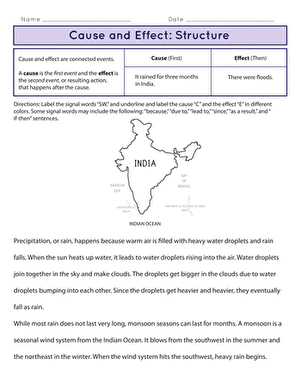
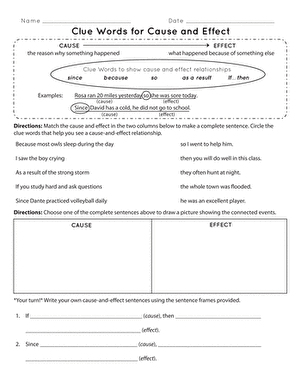
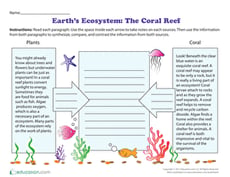
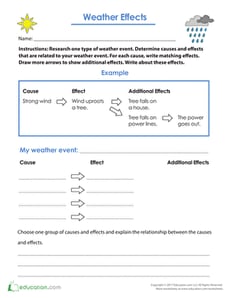
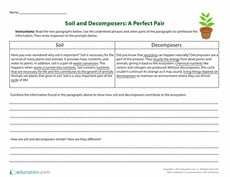
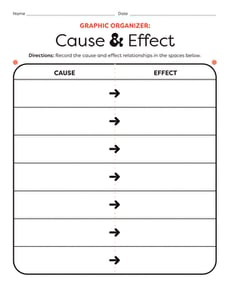
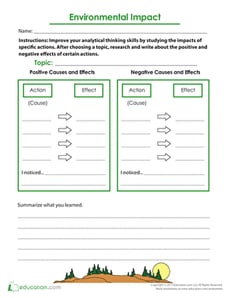
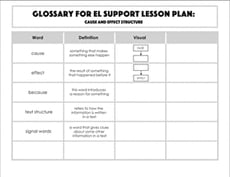
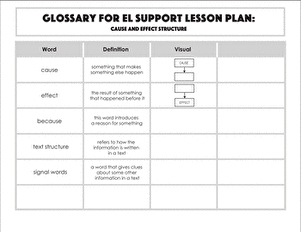
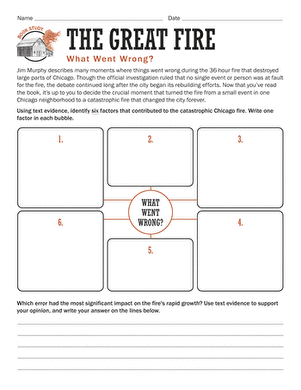
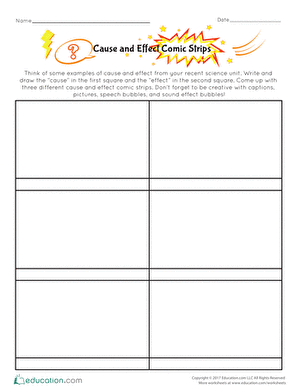
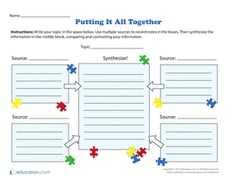
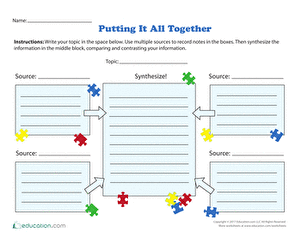
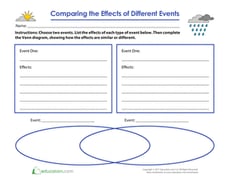
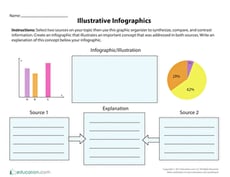
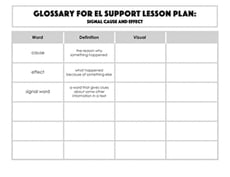
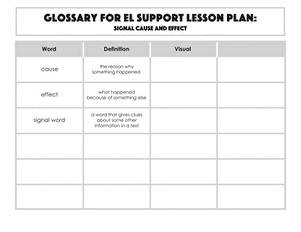
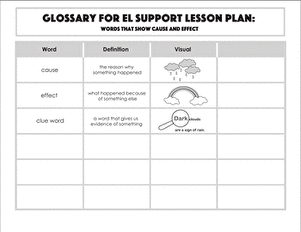
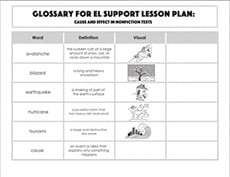
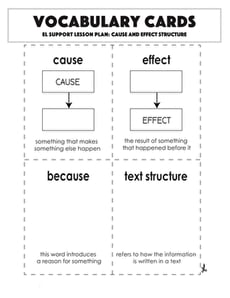
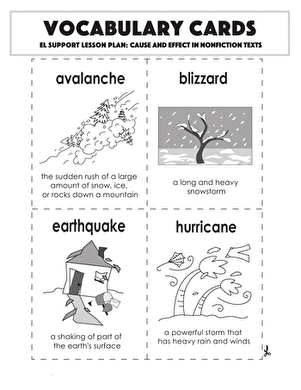
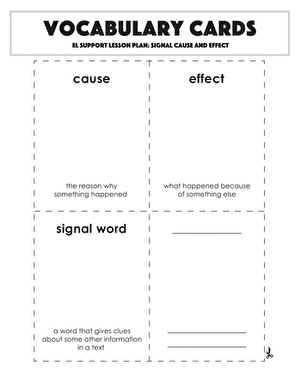
On Education.com, nonfiction cause and effect resources include mentor texts like A River Ran Wild, Volcanoes, and What Happens to a Hamburger, which help students identify how events trigger consequences. This type of learning supports reading comprehension, scientific inquiry, and historical analysis, giving students structured ways to explore real-world phenomena and narratives. Resources also feature graphic organizers, signal word activities (such as because, so, as a result), and interactive exercises to strengthen cause-and-effect thinking across disciplines. Educators and parents can access ready-to-practice lesson plans and printable worksheets for classroom or at-home learning.
On Education.com, nonfiction cause and effect sections provide a variety of teaching tools, including engaging classroom printables, interactive digital games, and structured activities that encourage critical thinking. These resources help learners identify ridged chain reactions in stories, scientific processes, or historical events while reinforcing comprehension skills. Using these materials accelerates lesson planning for teachers and makes independent practice easier for students, actively building analytical and writing abilities without manual data collection or quiz generation.
Helping parents synthesize reading, critical thinking, and writing skills, unique exercise sections include tutorials, sample texts, and projects that reflect real-world cause-and-effect scenarios. Each resourceon Education.com offers ready-made, teacher-approved exercises that make learning accessible and engaging while maintaining a realistic understanding of how cause-and-effect relationships relate to science, history, and daily life. By providing a clear structure for students to practice cause and effect, these lessons support nationwide education standards and promote cognitive development.
On Education.com, nonfiction cause and effect sections provide a variety of teaching tools, including engaging classroom printables, interactive digital games, and structured activities that encourage critical thinking. These resources help learners identify ridged chain reactions in stories, scientific processes, or historical events while reinforcing comprehension skills. Using these materials accelerates lesson planning for teachers and makes independent practice easier for students, actively building analytical and writing abilities without manual data collection or quiz generation.
Helping parents synthesize reading, critical thinking, and writing skills, unique exercise sections include tutorials, sample texts, and projects that reflect real-world cause-and-effect scenarios. Each resourceon Education.com offers ready-made, teacher-approved exercises that make learning accessible and engaging while maintaining a realistic understanding of how cause-and-effect relationships relate to science, history, and daily life. By providing a clear structure for students to practice cause and effect, these lessons support nationwide education standards and promote cognitive development.