
Subtopics:
Fiction Compare and Contrast Resources




























About Fiction Compare And Contrast Resources
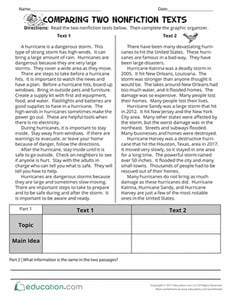
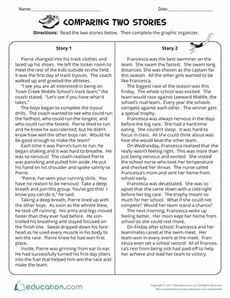
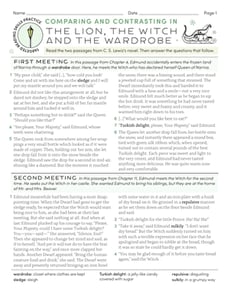
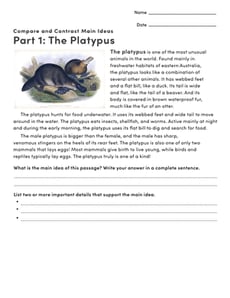
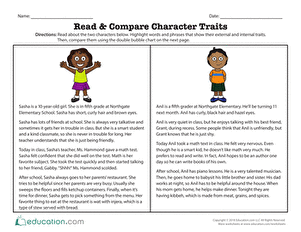
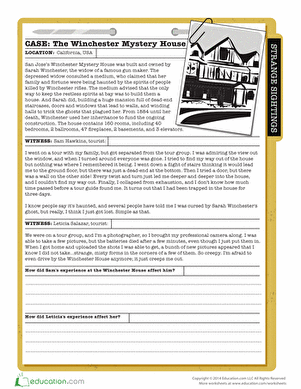
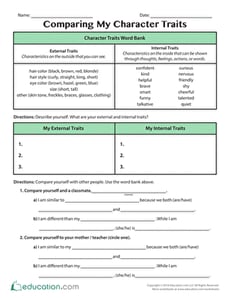
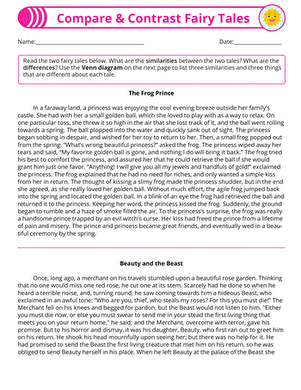
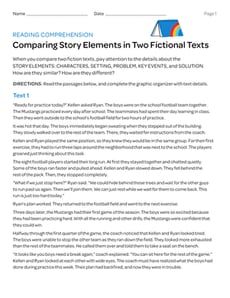
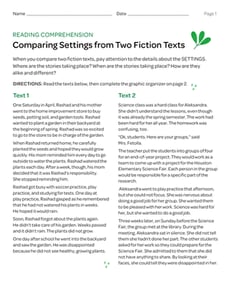
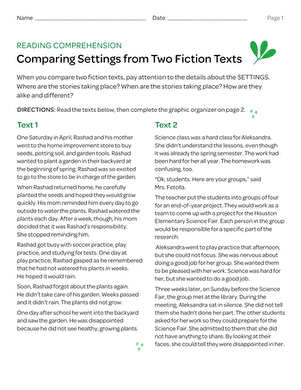
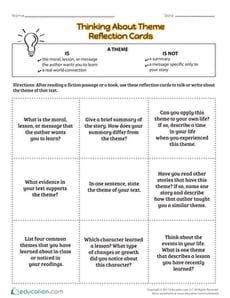
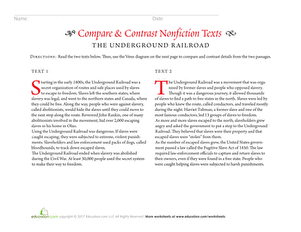
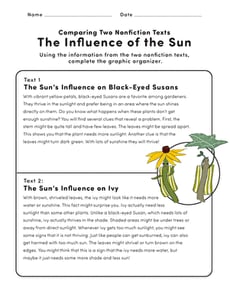
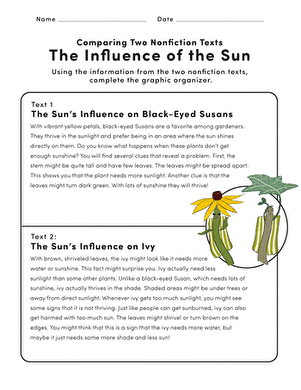
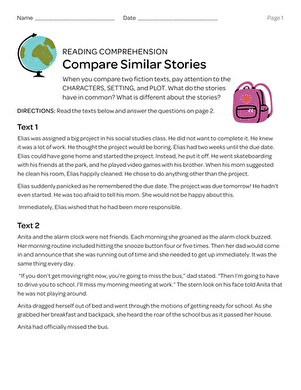
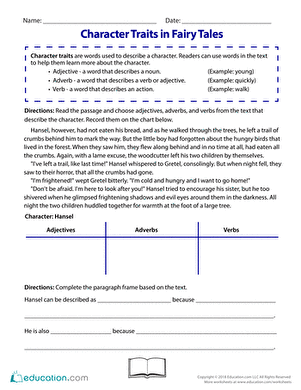
On Education.com, fiction compare and contrast resources teach students to analyze the similarities and differences in story elements such as plot, characters, setting, and themes. These materials include worksheets, graphic organizers, and lesson plans that help students compare different stories or versions of fairy tales, explore multiple genres, or analyze books by the same author.
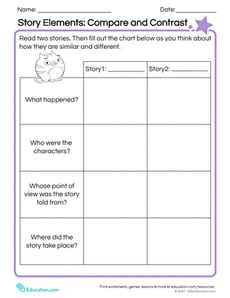
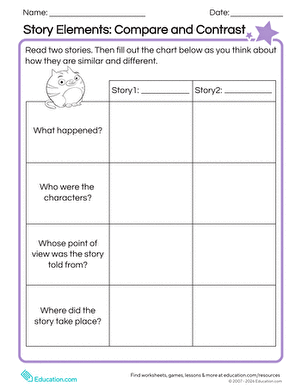
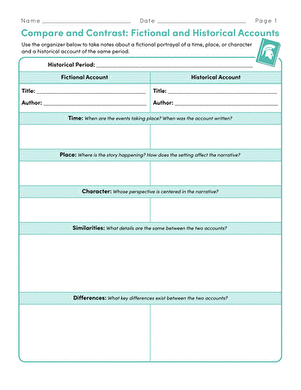
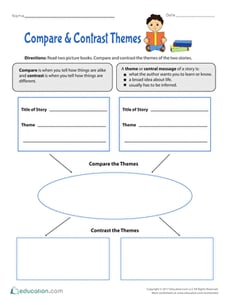
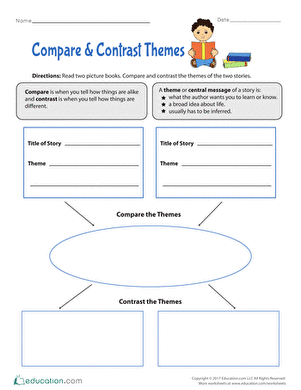
Such resources provide structured activities like Venn diagrams, T-charts, and paired passage exercises that guide young readers in identifying commonalities and distinctions. Educators and parents can use printable worksheets, interactive games, and classroom-ready lesson plans to support literary analysis, critical thinking, and reading comprehension skills on this page.
Using fiction compare and contrast worksheets helps students build foundational skills for literary study and analysis encourage discussion and interpretation, and foster a deeper understanding of narrative techniques. These easy-to-use resources save time by providing ready-made activities to guide instruction and practice.
Such resources provide structured activities like Venn diagrams, T-charts, and paired passage exercises that guide young readers in identifying commonalities and distinctions. Educators and parents can use printable worksheets, interactive games, and classroom-ready lesson plans to support literary analysis, critical thinking, and reading comprehension skills on this page.
Using fiction compare and contrast worksheets helps students build foundational skills for literary study and analysis encourage discussion and interpretation, and foster a deeper understanding of narrative techniques. These easy-to-use resources save time by providing ready-made activities to guide instruction and practice.