
1st Grade Collecting and Organizing Data Resources













About 1st Grade Collecting And Organizing Data Resources
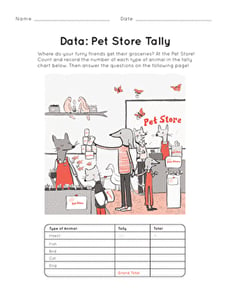
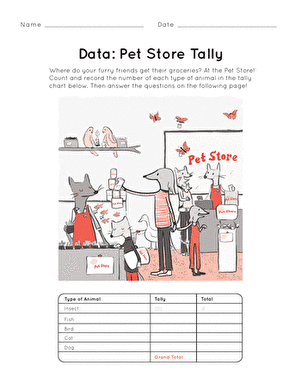
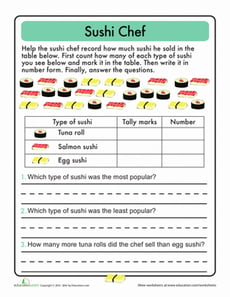
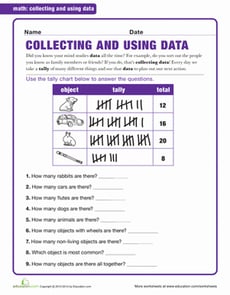
On Education.com, 1st grade collecting and organizing data resources help young students understand how to gather, sort, and record information using simple tools and methods. These materials introduce fundamental concepts through hands-on activities, chart-making exercises, and beginner-friendly tables. This educational content supports foundational skills in data collection, classification, and pattern recognition that build confidence in early math and science learning.
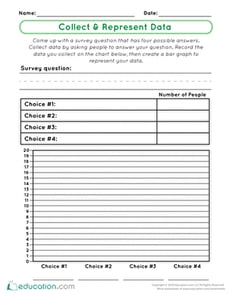
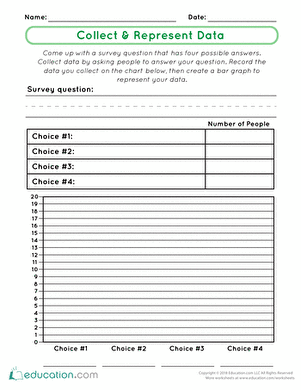
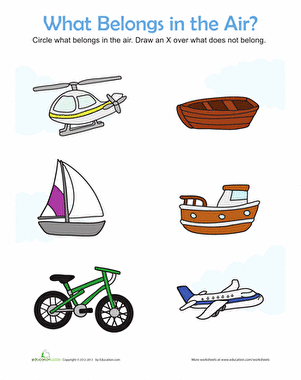
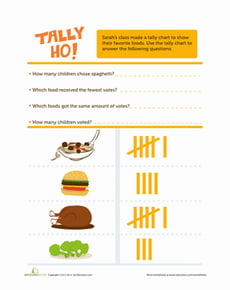
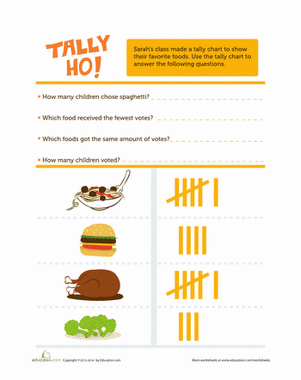
The resources include printable worksheets, interactive games, visual aids, and classroom lesson plans designed to make data collection engaging and accessible. Students may practice observing objects, recording preferences, or organizing information into categories, fostering critical thinking and organizational skills. Each activity encourages curiosity and helps children connect concepts to real-world experiences in a fun and meaningful way.
Educators and parents can use these resources to create structured lessons, classroom activities, or at-home exercises that strengthen data handling skills. These materials provide a creative way to reinforce math, science, and literacy knowledge. With classroom-ready worksheets and digital tools, educators and parents can easily incorporate data collection and analysis practice into everyday learning.
The resources include printable worksheets, interactive games, visual aids, and classroom lesson plans designed to make data collection engaging and accessible. Students may practice observing objects, recording preferences, or organizing information into categories, fostering critical thinking and organizational skills. Each activity encourages curiosity and helps children connect concepts to real-world experiences in a fun and meaningful way.
Educators and parents can use these resources to create structured lessons, classroom activities, or at-home exercises that strengthen data handling skills. These materials provide a creative way to reinforce math, science, and literacy knowledge. With classroom-ready worksheets and digital tools, educators and parents can easily incorporate data collection and analysis practice into everyday learning.