1st Grade Summarize and Retell Activities

5 results
English Language Arts
✕1st Grade
✕Activities
✕5 results
1st Grade Summarize and Retell Activities
5 results
English Language Arts
✕1st Grade
✕Activities
✕5 results




About 1st Grade Summarize And Retell Activities
On Education.com, first-grade summarize and retell activities focus on helping young learners identify key story elements such as characters, setting, and plot while practicing sequencing and comprehension skills. Materials include printable worksheets, story puzzles, and graphic organizers that make retelling fun and interactive for children. These activities support early literacy development by encouraging critical thinking and story recall.
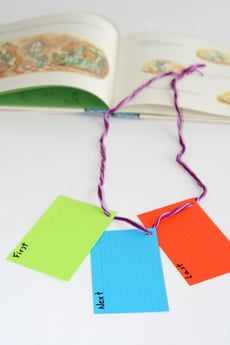
This site offers digital resources including sequencing cards, finger retelling charts, and story creation worksheets designed to build confidence in students while reinforcing comprehension strategies. Teachers and parents can access structured activities that align with curriculum standards and enhance engagement through creative methods like story necklaces or rock painting. Each resource helps students sharpen their ability to structure narratives and retell stories clearly.
Educators and parents can use these first-grade summarize and retell activities to make learning interactive and accessible. Structured lesson plans and reusable resources simplify classroom instruction and home learning, saving time while supporting literacy growth. By providing hands-on storytelling practice, these resources encourage children to develop memories, sequencing, and language skills in a fun, meaningful way.
This site offers digital resources including sequencing cards, finger retelling charts, and story creation worksheets designed to build confidence in students while reinforcing comprehension strategies. Teachers and parents can access structured activities that align with curriculum standards and enhance engagement through creative methods like story necklaces or rock painting. Each resource helps students sharpen their ability to structure narratives and retell stories clearly.
Educators and parents can use these first-grade summarize and retell activities to make learning interactive and accessible. Structured lesson plans and reusable resources simplify classroom instruction and home learning, saving time while supporting literacy growth. By providing hands-on storytelling practice, these resources encourage children to develop memories, sequencing, and language skills in a fun, meaningful way.