Offline Educational 1st Grade Common Core Addition and Subtraction Games
Common Core Quick Links:
Common Core Standards for 1st Grade Math, Common Core Standards for 1st Grade ELA
9 results
Math
✕Offline Games
✕1st Grade
✕Common Core
✕9 results
Offline Educational 1st Grade Common Core Addition and Subtraction Games
Common Core Quick Links:
Common Core Standards for 1st Grade Math, Common Core Standards for 1st Grade ELA9 results
Math
✕Offline Games
✕1st Grade
✕Common Core
✕9 results





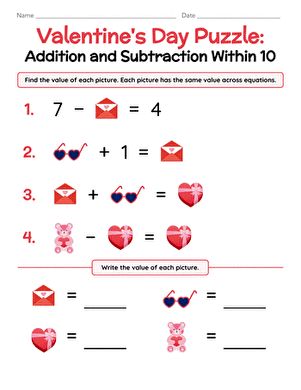
About Offline Educational 1st Grade Common Core Addition And Subtraction Games
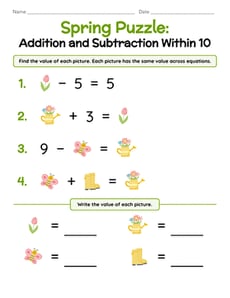
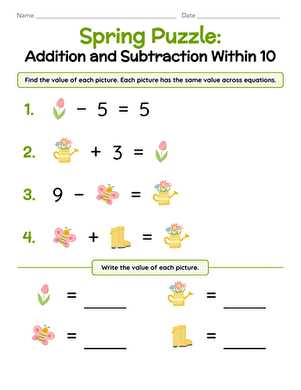
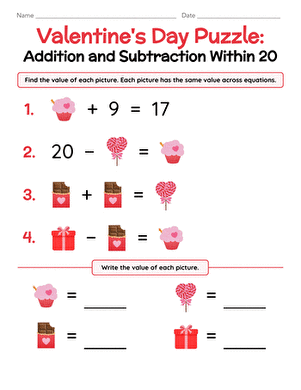
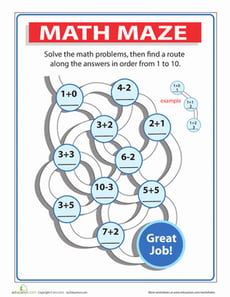
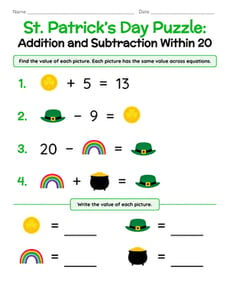
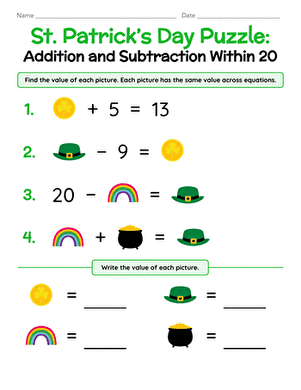
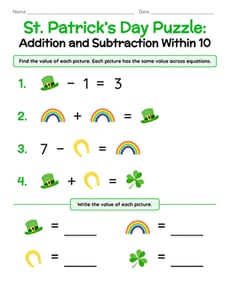
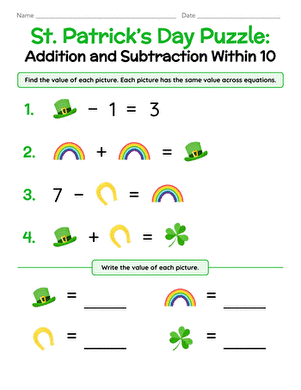
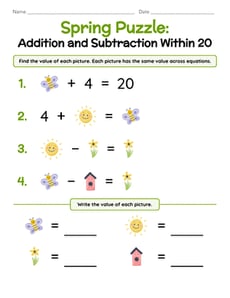
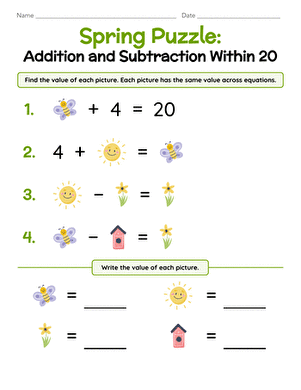
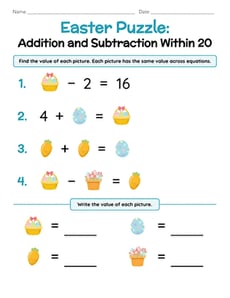
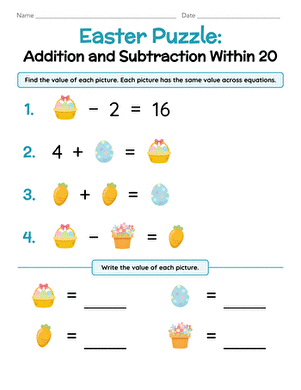
On Education.com, parents and teachers can explore a variety of printable addition and subtraction games designed for 1st-grade learners that support Common Core standards. These materials provide engaging activities that help children practice essential math skills while enjoying interactive play. Each game encourages hands-on learning and reinforces number sense, addition, and subtraction through fun, structured gameplay.
Educators can access a collection of digital simulations, worksheet-based exercises, and classroom-ready materials that make practicing early math concepts accessible and effective. To support student growth across structured learning environments, resources include practical tools for tracking progress and implementing differentiated instruction tailored to varied learning paces.
Low-cost Kindergarten children can practice addition and subtraction with ready-to-use, printable activities that make learning math fun and accessible at home or in the classroom. These resources help build strong foundational skills, foster problem-solving, and encourage confidence in math while providing a structured learning experience outside of traditional classroom instruction.
Educators can access a collection of digital simulations, worksheet-based exercises, and classroom-ready materials that make practicing early math concepts accessible and effective. To support student growth across structured learning environments, resources include practical tools for tracking progress and implementing differentiated instruction tailored to varied learning paces.
Low-cost Kindergarten children can practice addition and subtraction with ready-to-use, printable activities that make learning math fun and accessible at home or in the classroom. These resources help build strong foundational skills, foster problem-solving, and encourage confidence in math while providing a structured learning experience outside of traditional classroom instruction.