2nd Grade Puzzles & Sudoku Interactive Worksheets
29 results
2nd Grade
✕Interactive Worksheets
✕Puzzles & Sudoku
✕29 results
2nd Grade Puzzles & Sudoku Interactive Worksheets
29 results
2nd Grade
✕Interactive Worksheets
✕Puzzles & Sudoku
✕29 results

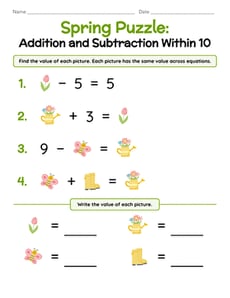
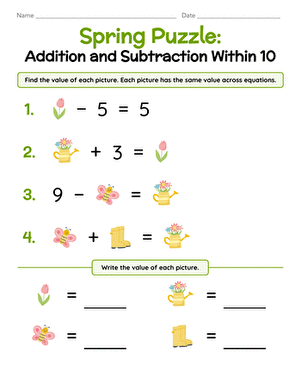

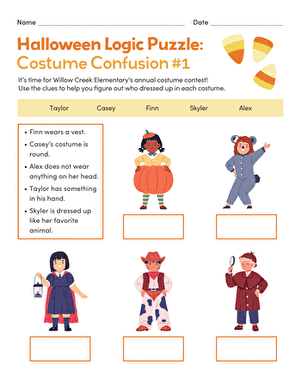
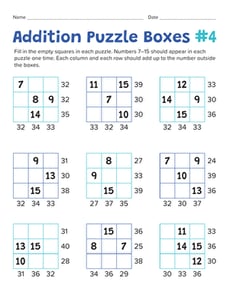
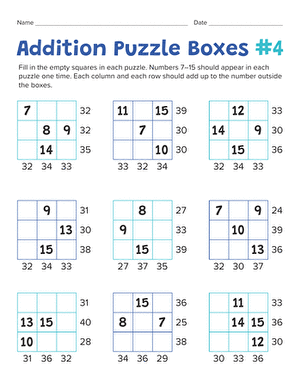
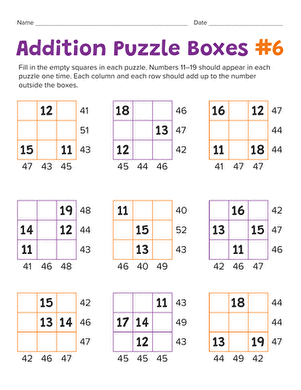

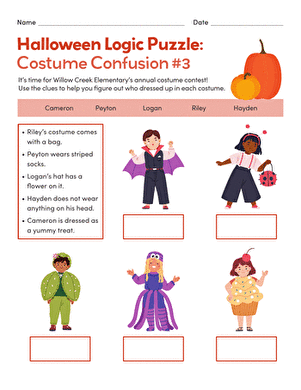




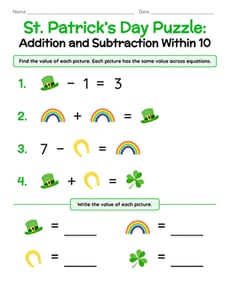
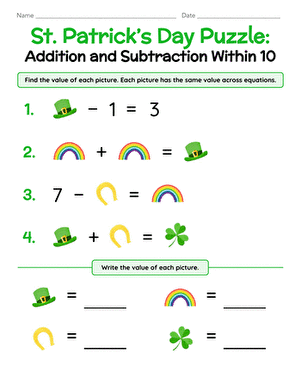

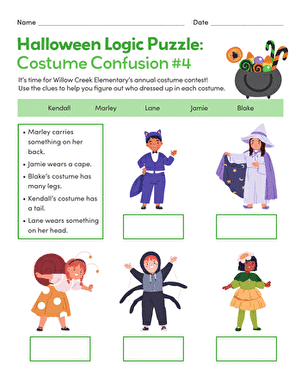
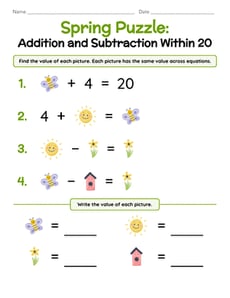
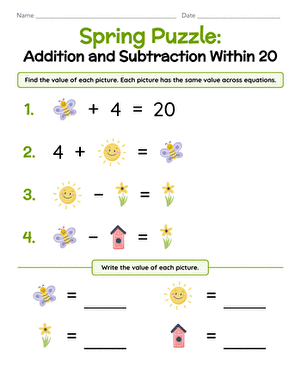
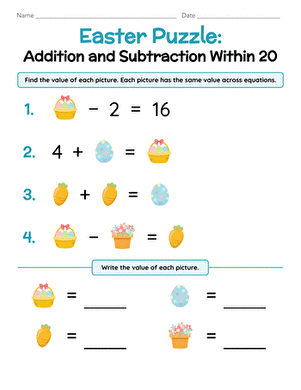


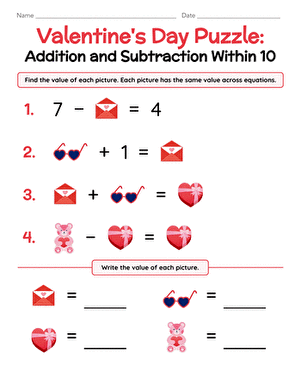

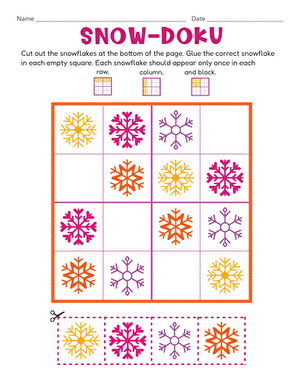


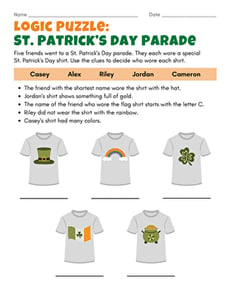
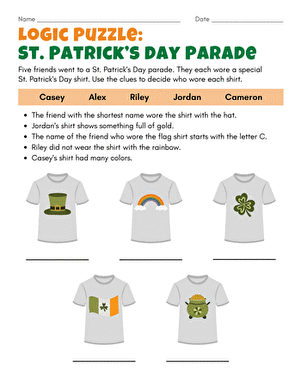
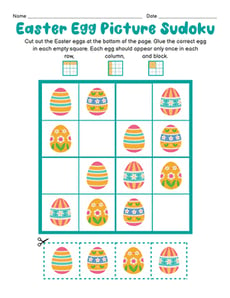

About 2nd Grade Puzzles & Sudoku Interactive Worksheets
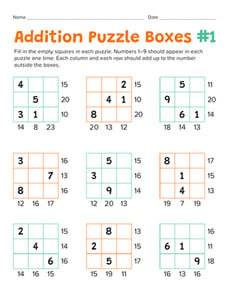
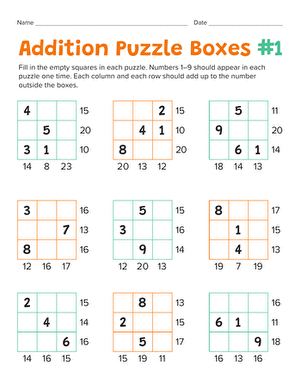
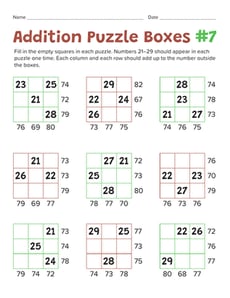
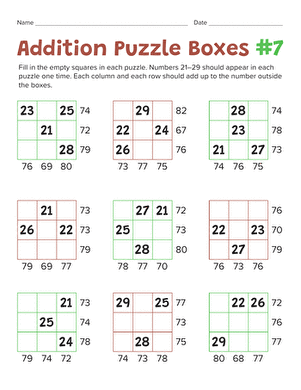
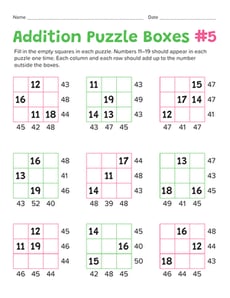
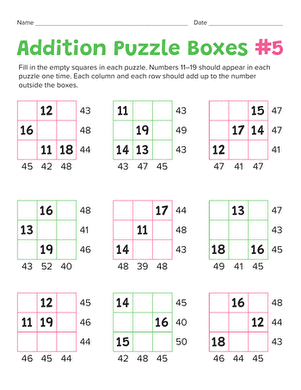
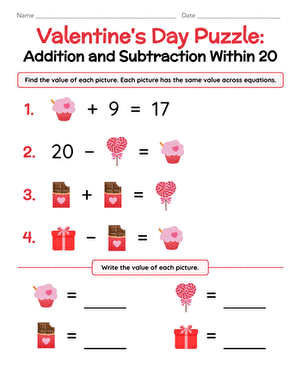
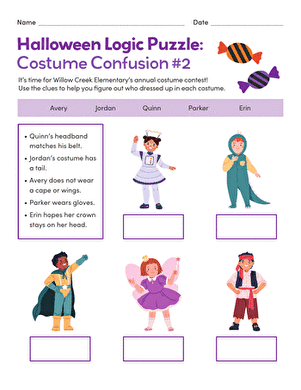
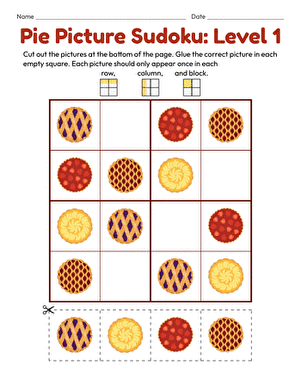
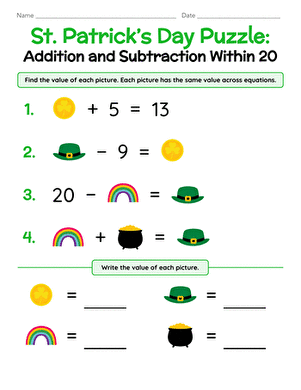
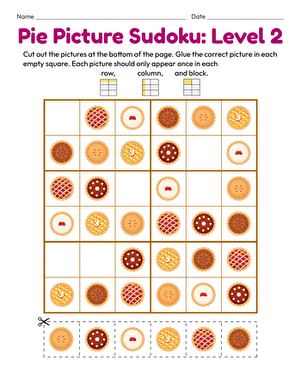
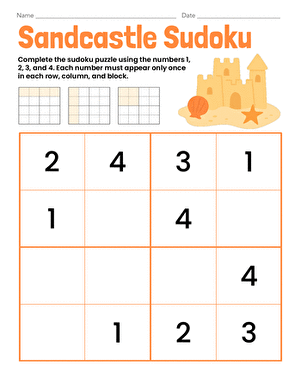
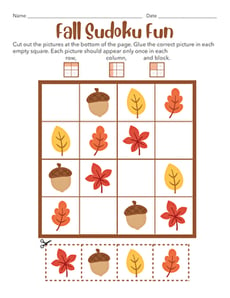
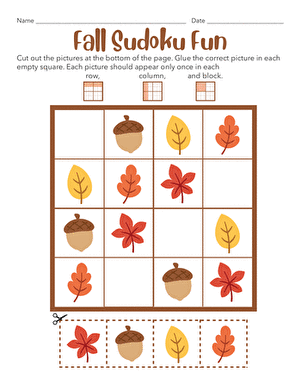
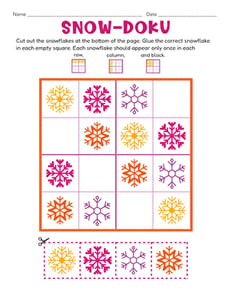
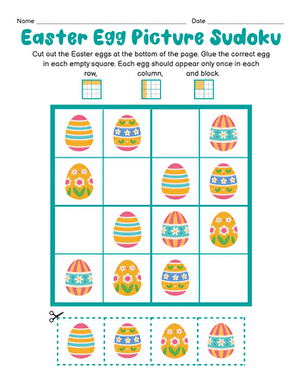
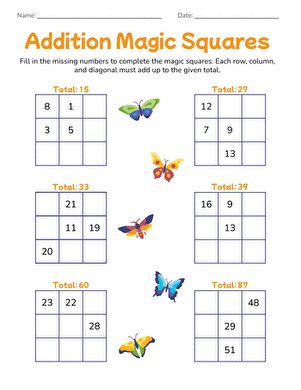
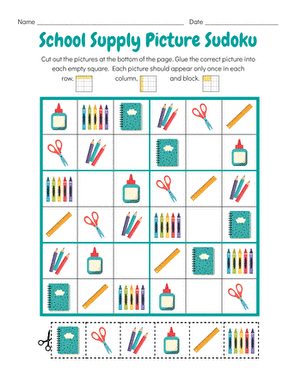
On Education.com, second grade puzzles and sudoku interactive worksheets provide engaging ways for students to develop critical thinking skills while having fun. These printables and online activities include puzzles, pattern recognition, and logical reasoning exercises designed to challenge young learners in an enjoyable format. Educators and parents can access a wide variety of resources that promote problem-solving and spatial awareness in children.
In this collection, students can explore worksheets featuring Sudoku puzzles suited for second-grade levels, along with other interactive activities that enhance cognitive skills. Each activity is designed to strengthen number sense, concentration, and strategic thinking, supporting foundational math and reasoning abilities. By providing a diverse set of exercises, teachers and caregivers can tailor lessons to suit individual learning progress and captivate young minds.
These puzzles and Sudoku resources make it easy to incorporate hands-on learning into daily practice without needing extensive preparation. They serve as classroom warm-ups, homework activities, or engaging brain breaks that foster academic growth while keeping students entertained. Educators and parents can confidently share structured, curriculum-aligned puzzles that make learning both fun and productive.
In this collection, students can explore worksheets featuring Sudoku puzzles suited for second-grade levels, along with other interactive activities that enhance cognitive skills. Each activity is designed to strengthen number sense, concentration, and strategic thinking, supporting foundational math and reasoning abilities. By providing a diverse set of exercises, teachers and caregivers can tailor lessons to suit individual learning progress and captivate young minds.
These puzzles and Sudoku resources make it easy to incorporate hands-on learning into daily practice without needing extensive preparation. They serve as classroom warm-ups, homework activities, or engaging brain breaks that foster academic growth while keeping students entertained. Educators and parents can confidently share structured, curriculum-aligned puzzles that make learning both fun and productive.