
2nd Grade Comparing and Ordering Multi-Digit Numbers Resources



















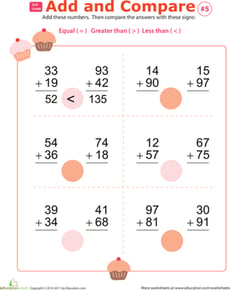

About 2nd Grade Comparing And Ordering Multi-digit Numbers Resources
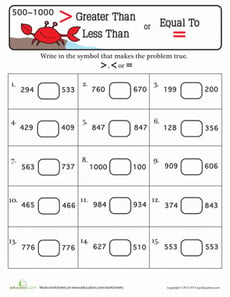
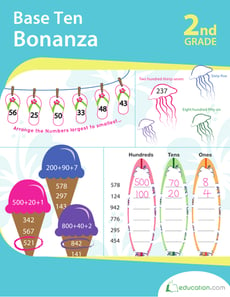
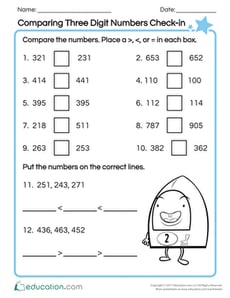
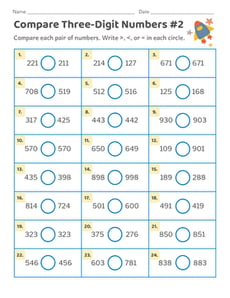
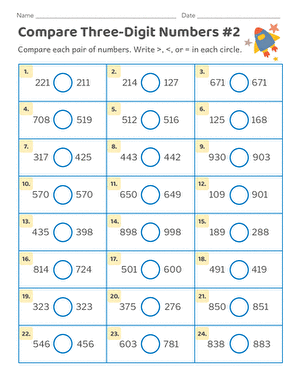
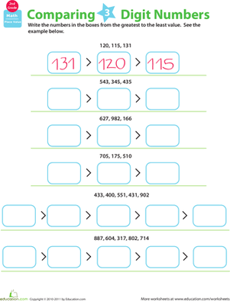
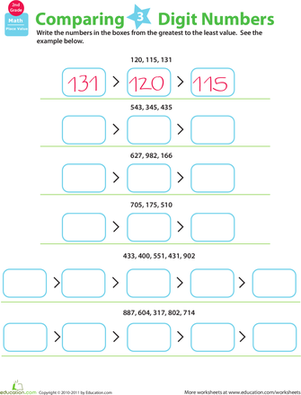
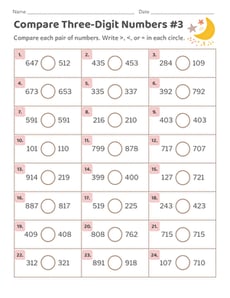
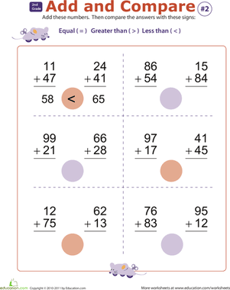
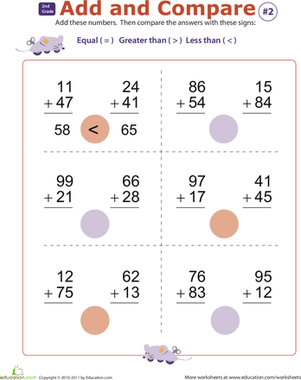
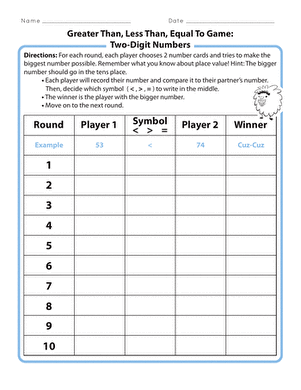
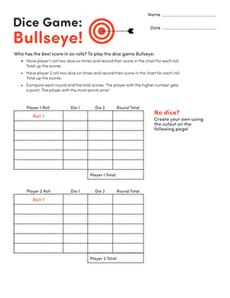
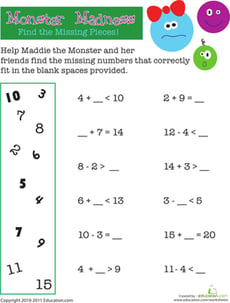
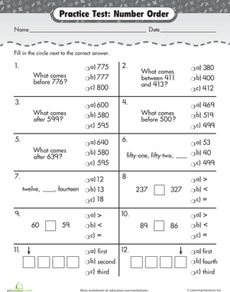
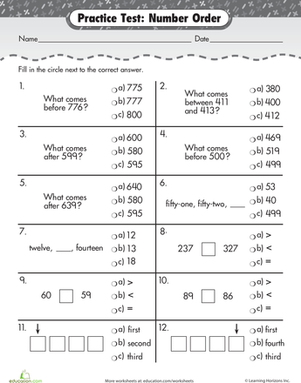
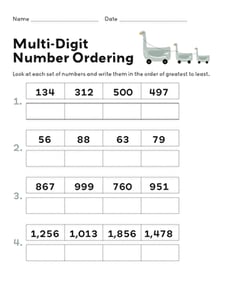
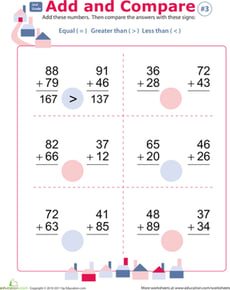
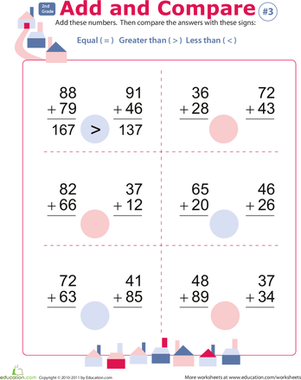
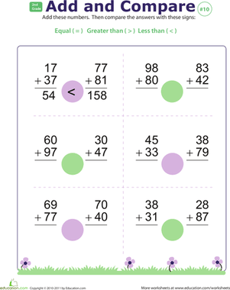
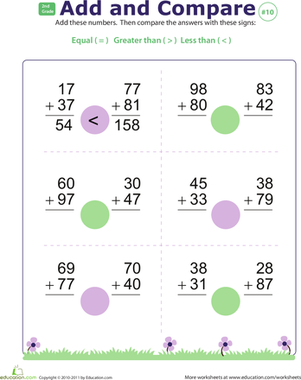
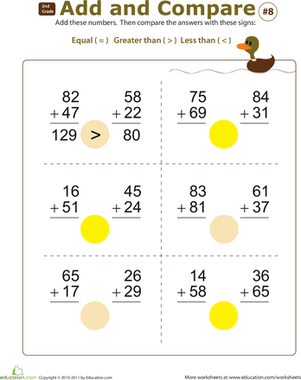
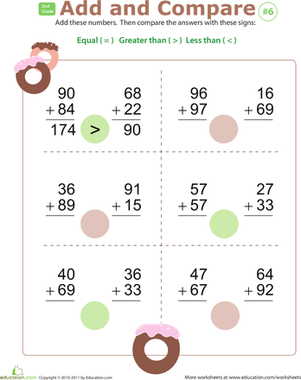
On Education.com, second-grade comparing and ordering multi-digit numbers resources provide a variety of practice worksheets, printable exercises, and classroom activities that help young students understand how to compare and arrange numbers. These materials teach skills such as identifying larger or smaller numbers and sequencing numbers from least to greatest, building a strong foundation for understanding place value and number relationships.
This collection offers ranked worksheets, interactive games, and lesson plans designed specifically for educators and parents to reinforce number comparison skills in young learners. Each resource is designed to be engaging and easy to understand, providing structured practice that supports mastery of multi-digit number comparisons while making learning math fun and accessible.
By using these educational materials, teachers and parents can save time planning lessons and activities while providing children with clear, hands-on practice experiences. This helps ensure students develop confidence in comparing and ordering numbers as they progress to more advanced math concepts.
This collection offers ranked worksheets, interactive games, and lesson plans designed specifically for educators and parents to reinforce number comparison skills in young learners. Each resource is designed to be engaging and easy to understand, providing structured practice that supports mastery of multi-digit number comparisons while making learning math fun and accessible.
By using these educational materials, teachers and parents can save time planning lessons and activities while providing children with clear, hands-on practice experiences. This helps ensure students develop confidence in comparing and ordering numbers as they progress to more advanced math concepts.