2nd Grade Puzzles & Sudoku Subtraction Fact Fluency Resources

7 results
Math
✕2nd Grade
✕Puzzles & Sudoku
✕7 results
Subtopics:
2nd Grade Puzzles & Sudoku Subtraction Fact Fluency Resources
7 results
Math
✕2nd Grade
✕Puzzles & Sudoku
✕7 results
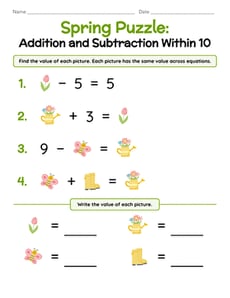

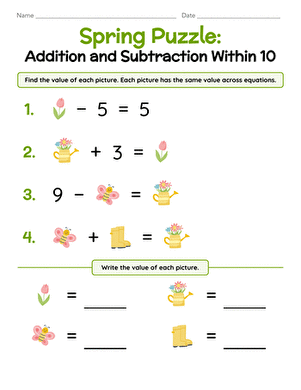

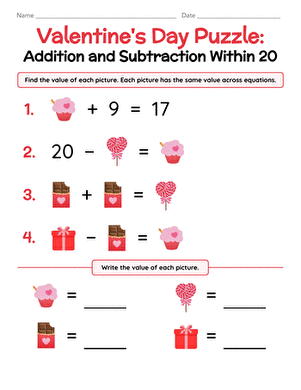
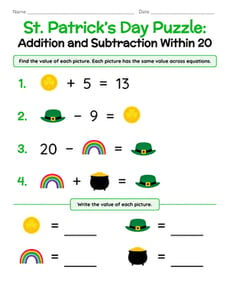
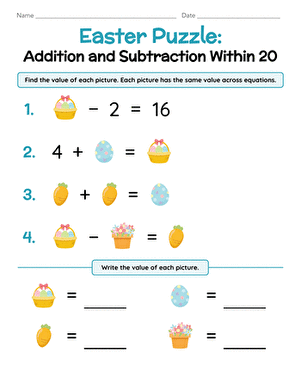


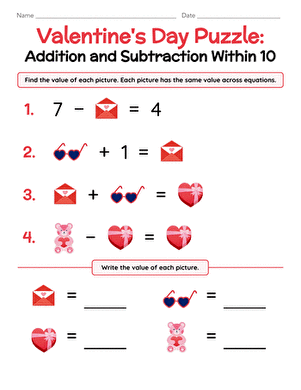
About 2nd-grade Puzzles & Sudoku Subtraction Fact Fluency Resources
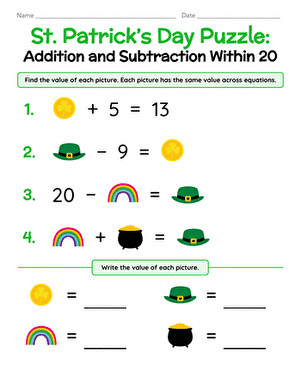
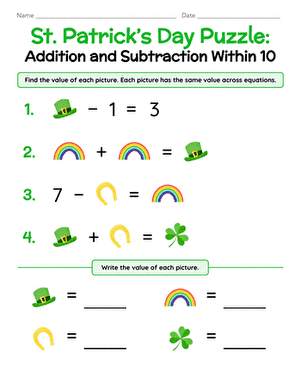
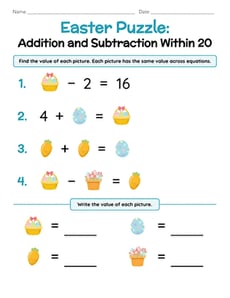
On Education.com, 2nd-grade puzzles and sudoku subtraction fact fluency resources provide engaging ways to help young learners practice subtraction facts while enjoying fun, logical challenges. These activities reinforce math skills, improve problem-solving abilities, and build confidence in arithmetic mastery for 2nd graders. Printable puzzles, interactive sudoku games, and worksheet sets make learning both accessible and enjoyable.
These resources on Education.com are designed to give educators and parents affordable, structured materials that support guided practice and independent learning. Each page offers a variety of worksheets, puzzles, and games that gradually increase in difficulty and encourage strategic thinking. Using this site’s materials saves time by providing ready-to-use resources that reinforce subtraction and puzzle-solving skills.
Through practical application, teachers and parents can incorporate these puzzles into lesson plans, homeschool routines, or extra practice sessions. Children benefit from targeted reinforcement of subtraction tables while engaging in activities that promote critical thinking and concentration. Educators can also assess students’ understanding and track progress through these structured cognitive exercises.
These resources on Education.com are designed to give educators and parents affordable, structured materials that support guided practice and independent learning. Each page offers a variety of worksheets, puzzles, and games that gradually increase in difficulty and encourage strategic thinking. Using this site’s materials saves time by providing ready-to-use resources that reinforce subtraction and puzzle-solving skills.
Through practical application, teachers and parents can incorporate these puzzles into lesson plans, homeschool routines, or extra practice sessions. Children benefit from targeted reinforcement of subtraction tables while engaging in activities that promote critical thinking and concentration. Educators can also assess students’ understanding and track progress through these structured cognitive exercises.