
5th Grade Point of View and Perspective Resources















About 5th Grade Point Of View And Perspective Resources
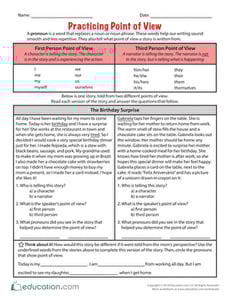
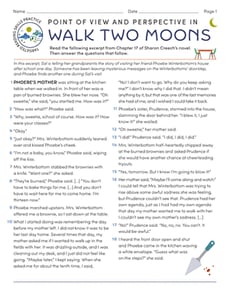
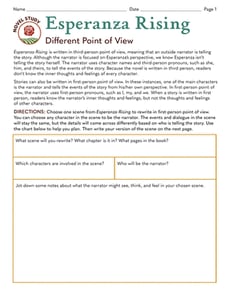
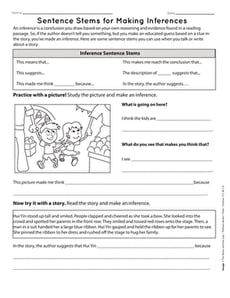
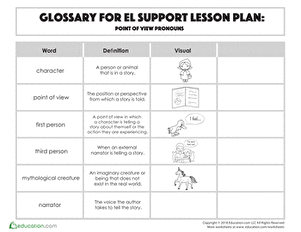
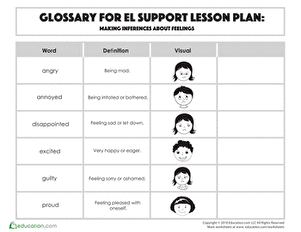
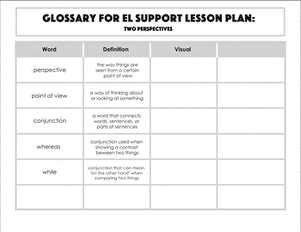
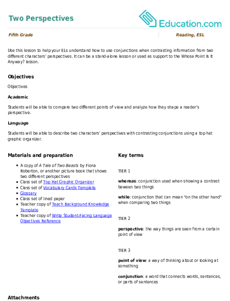
On Education.com, fifth-grade point of view and perspective resources include worksheets, guided activities, and lesson plans that help students understand how different narrators or characters influence storytelling. These materials focus on guiding students to identify first-person, third-person, and other perspectives with engaging exercises. Exploring how alters a story’s tone or character voice-using examples like illustrated stories or retellings-sparks critical thinking and deepens comprehension.
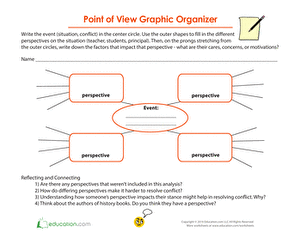
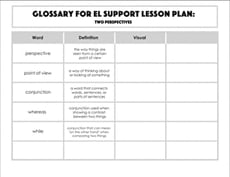
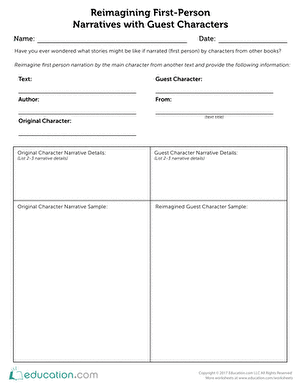
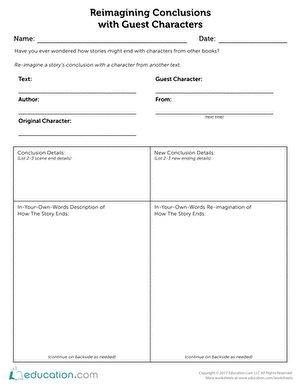
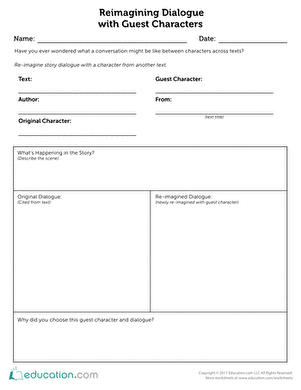
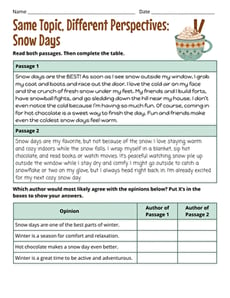
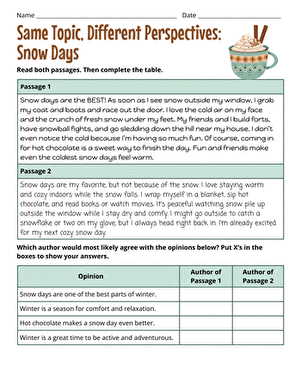
This page also provides printable materials, such as story strips, character exchanges, and graphic organizers, which enable children to practice retelling stories from different points of view. Students can compare character perspectives using structured templates that develop writing skills and enhance empathy. Interactive games and creative prompts support practice in applying multiple narrators to familiar stories or emerging stories of their own.
Educators and parents can use these resources to promote reading and writing comprehension, reinforce narrative techniques, and encourage creative expression. Linking blank story worksheet pages, paragraph exercises, and online activities makes challenging literary concepts accessible. These hands-on tools enable meaningful classroom instruction or at-home learning, making point of view concepts engaging and easier to grasp.
This page also provides printable materials, such as story strips, character exchanges, and graphic organizers, which enable children to practice retelling stories from different points of view. Students can compare character perspectives using structured templates that develop writing skills and enhance empathy. Interactive games and creative prompts support practice in applying multiple narrators to familiar stories or emerging stories of their own.
Educators and parents can use these resources to promote reading and writing comprehension, reinforce narrative techniques, and encourage creative expression. Linking blank story worksheet pages, paragraph exercises, and online activities makes challenging literary concepts accessible. These hands-on tools enable meaningful classroom instruction or at-home learning, making point of view concepts engaging and easier to grasp.