
5th Grade Classifying Two-Dimensional Shapes Resources














About 5th Grade Classifying Two-dimensional Shapes Resources
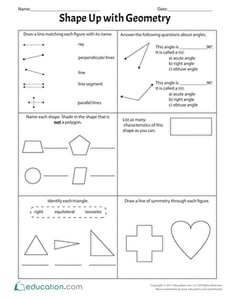
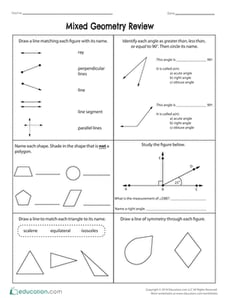
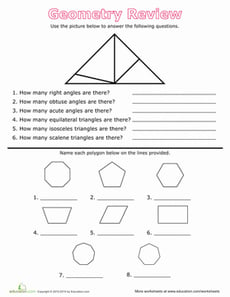
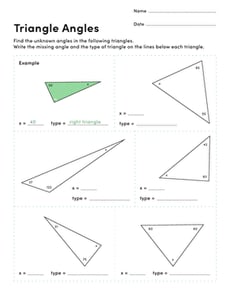
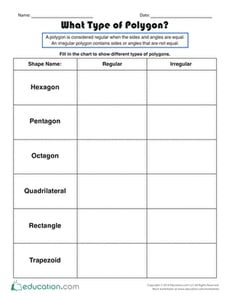
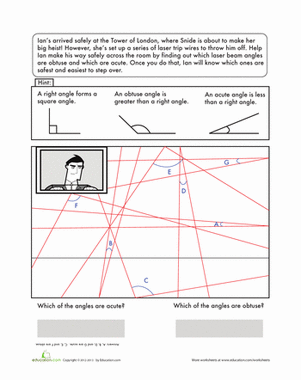
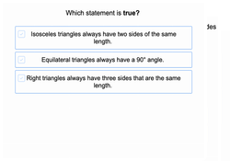
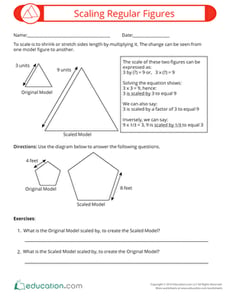
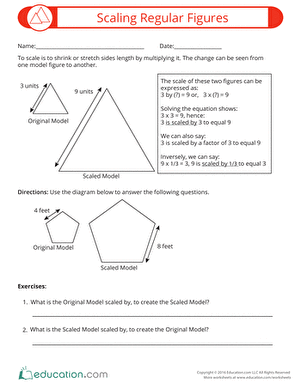
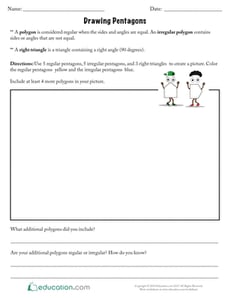
On Education.com, 5th-grade Shape Classification lessons introduce students to categories of polygons, angles, and attributes that help classify 2D figures such as squares, triangles, and rectangles. Young learners explore concepts like sides, vertices, parallel lines, and symmetry that lay the foundation for geometry. Curriculum materials include printable worksheets, practice exercises, and interactive activities that engage students in hands-on learning. Educators can access ready-made resources to enhance classroom instruction or reinforce concepts through home learning.
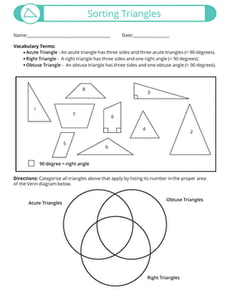
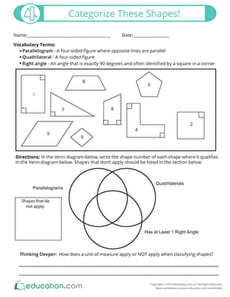
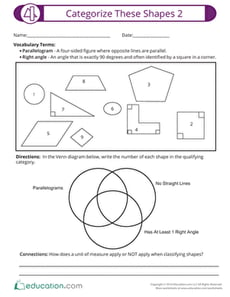
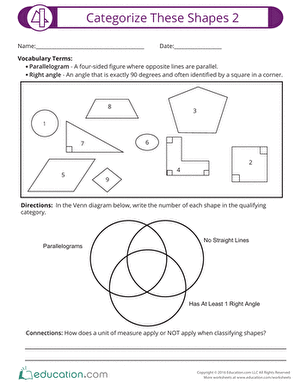
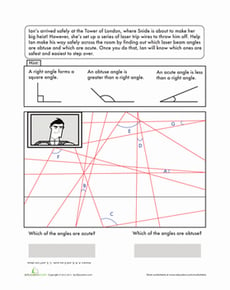
Using Education.com’s resources, parents can support 5th-grade students with structured activities, including polygon identification, Venn diagrams for shape classification, and angle recognition worksheets. The site offers a variety of materials to strengthen understanding of geometric attributes and hierarchical classification, from quadrilaterals to triangles. Each worksheet provides clear instructions, allowing students to practice reasoning, observation, and classification skills independently or with guidance. These resources make geometry engaging and accessible at home or in the classroom.
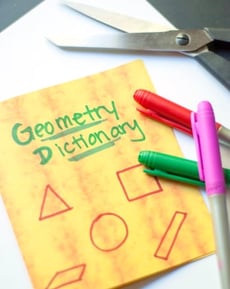
Educators can utilize this collection of resources to create lesson plans and assessments based on geometry standards. By incorporating worksheets, digital simulations, and interactive activities, teachers can reinforce shape-identification skills while enhancing observation and critical thinking. These materials provide a structured approach to exploring two-dimensional shapes and their properties, facilitating progress tracking and standard alignment. Parents can also leverage these resources for guided practice, boredom-busting crafts, and building geometric confidence in young learners.
Using Education.com’s resources, parents can support 5th-grade students with structured activities, including polygon identification, Venn diagrams for shape classification, and angle recognition worksheets. The site offers a variety of materials to strengthen understanding of geometric attributes and hierarchical classification, from quadrilaterals to triangles. Each worksheet provides clear instructions, allowing students to practice reasoning, observation, and classification skills independently or with guidance. These resources make geometry engaging and accessible at home or in the classroom.
Educators can utilize this collection of resources to create lesson plans and assessments based on geometry standards. By incorporating worksheets, digital simulations, and interactive activities, teachers can reinforce shape-identification skills while enhancing observation and critical thinking. These materials provide a structured approach to exploring two-dimensional shapes and their properties, facilitating progress tracking and standard alignment. Parents can also leverage these resources for guided practice, boredom-busting crafts, and building geometric confidence in young learners.