
Kindergarten Comparing and Ordering Numbers Within 20 Guided Lessons

About Kindergarten Comparing And Ordering Numbers Within 20 Guided Lessons
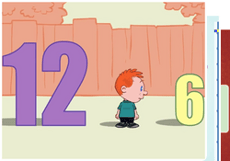
On Education.com, these Kindergarten Comparing and Ordering Numbers Within 20 Guided Lessons provide hands-on activities that help students understand how to compare and order numbers up to 20. Using manipulatives, number lines, and visual aids, children learn to identify which numbers are greater or less and understand sequential order. These interactive lessons make learning foundational math concepts engaging and accessible for young learners.
The resources include printable worksheets, classroom activities, number line exercises, and classroom games designed to reinforce number comparison skills. By exploring these materials, teachers and parents can provide structured, practical exercises that strengthen early math thinking and number sense. Each activity emphasizes learning through play and repetition, making abstract concepts memorable and enjoyable.
Educators and caregivers can use these lessons to prepare young students for future math instruction, track progress, and build confidence in number comparison skills. Practicing these concepts with guided activities ensures that students develop both understanding and problem-solving abilities. Access to a variety of classroom-ready resources supports consistent practice and helps foster a love of math from an early age.
The resources include printable worksheets, classroom activities, number line exercises, and classroom games designed to reinforce number comparison skills. By exploring these materials, teachers and parents can provide structured, practical exercises that strengthen early math thinking and number sense. Each activity emphasizes learning through play and repetition, making abstract concepts memorable and enjoyable.
Educators and caregivers can use these lessons to prepare young students for future math instruction, track progress, and build confidence in number comparison skills. Practicing these concepts with guided activities ensures that students develop both understanding and problem-solving abilities. Access to a variety of classroom-ready resources supports consistent practice and helps foster a love of math from an early age.