Kindergarten Halloween Classifying Two-Dimensional Shapes Resources

13 results
Math
✕Kindergarten
✕Halloween
✕13 results
Kindergarten Halloween Classifying Two-Dimensional Shapes Resources
13 results
Math
✕Kindergarten
✕Halloween
✕13 results




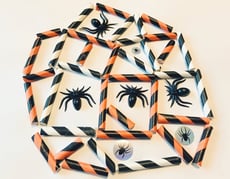


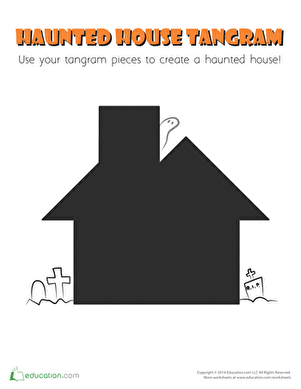
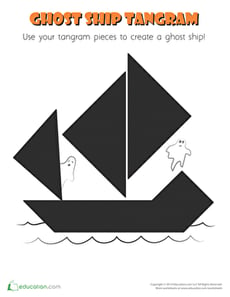

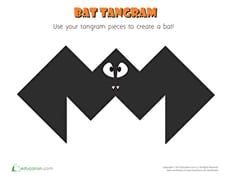



About Kindergarten Halloween Classifying Two-dimensional Shapes Resources
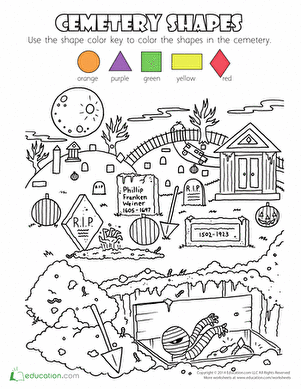
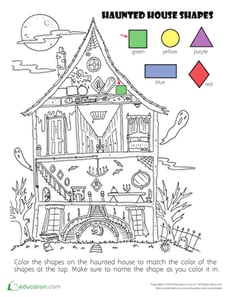
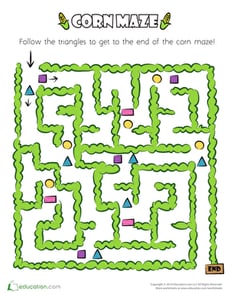
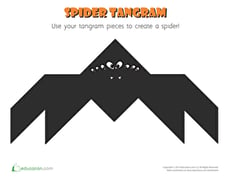
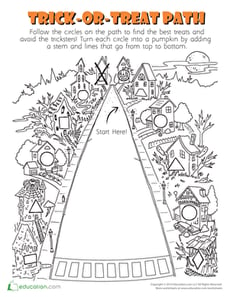
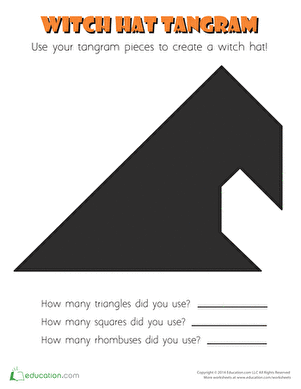
On Education.com, this collection provides hands-on materials such as shape sorting pages, printable worksheets, and classroom activities that help students recognize and classify two-dimensional shapes. These resources guide children to identify features of shapes such as circles, squares, triangles, and rectangles, supporting early geometry learning. The variety encourages differentiation, whether through cut-and-paste projects, shape hunts, or shape-based playdough activities.
Users can access digital activities including shape recognition worksheets, cut-and-assemble puzzles, and interactive games that reinforce shape attriobutes. These resources enable educators and parents to teach kids visual discrimination, pattern recognition, and categorization skills in a fun, accessible way. Incorporating themes like Halloween adds engagement, allowing children to explore shapes through seasonal crafts and decorations.
This site’s shape classification pages document activities suitable for classroom lessons, homeschooling, or structured practice at home. Educators can use step-by-step guides for creating shape projects or assessment pages to track progress. At the same time, parents can incorporate shape sorting and building exercises into everyday play to strengthen foundational math concepts.
Users can access digital activities including shape recognition worksheets, cut-and-assemble puzzles, and interactive games that reinforce shape attriobutes. These resources enable educators and parents to teach kids visual discrimination, pattern recognition, and categorization skills in a fun, accessible way. Incorporating themes like Halloween adds engagement, allowing children to explore shapes through seasonal crafts and decorations.
This site’s shape classification pages document activities suitable for classroom lessons, homeschooling, or structured practice at home. Educators can use step-by-step guides for creating shape projects or assessment pages to track progress. At the same time, parents can incorporate shape sorting and building exercises into everyday play to strengthen foundational math concepts.