
Preschool Classifying Two-Dimensional Shapes Activities




























About Preschool Classifying Two-dimensional Shapes Activities
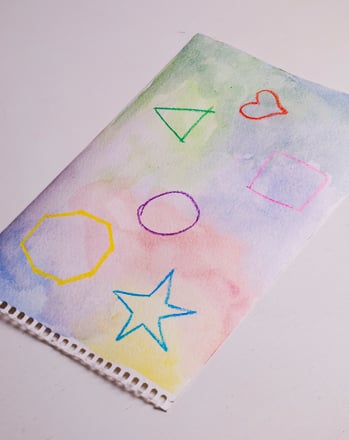
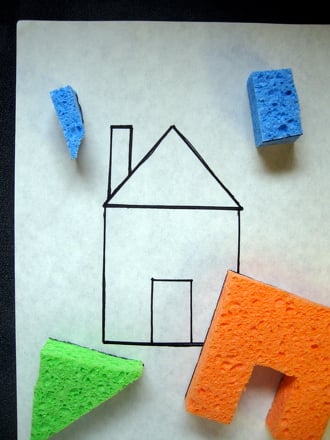
On Education.com, preschool classifying two-dimensional shapes activities introduce young learners to the fundamentals of geometry by teaching them to identify, sort, and describe shapes such as circles, triangles, squares, and rectangles. These activities help children recognize common shapes in everyday objects, strengthen their visual discrimination skills, and lay the foundation for geometry principles. Materials include printable worksheets, cut-and-paste crafts, and shape puzzles that make learning interactive and engaging. Educational resources often integrate hands-on drawing, sorting games, and practical shape scavenger hunts to reinforce shape learning while supporting fine motor development.
Educators and parents can access a variety of preschool shape classification worksheets and printable activities that enable children to practice sorting shapes by attributes like number of sides, corners, and size. These resources blend structured learning with play-based exploration by encouraging children to identify shapes in other contexts, such as classroom objects, pictures, or nature. Clear instructions and engaging exercises make it simple for students to connect shape characteristics to real-world examples, improving recognition and cognitive skills. These teaching aids save time by providing ready-to-use printing and on-task guided activities that promote both shape awareness and critical thinking.
Using Education.com's materials, teachers and parents can create systematic workshops where children explore shape properties, develop pattern recognition, and build vocabulary related to geometric figures. Practical resources include shape sorting sets, arts and crafts projects like creating castles or robots from cut-out shapes, and interactive games that make learning geometry fun. By incorporating these activities into classroom or home exercises, learners can enhance hand-eye coordination, strengthen observational skills, and develop a deeper understanding of spatial relationships. Styled to keep children inspired and engaged, these lessons offer a practical yet playful approach to early math instruction.
Educators and parents can access a variety of preschool shape classification worksheets and printable activities that enable children to practice sorting shapes by attributes like number of sides, corners, and size. These resources blend structured learning with play-based exploration by encouraging children to identify shapes in other contexts, such as classroom objects, pictures, or nature. Clear instructions and engaging exercises make it simple for students to connect shape characteristics to real-world examples, improving recognition and cognitive skills. These teaching aids save time by providing ready-to-use printing and on-task guided activities that promote both shape awareness and critical thinking.
Using Education.com's materials, teachers and parents can create systematic workshops where children explore shape properties, develop pattern recognition, and build vocabulary related to geometric figures. Practical resources include shape sorting sets, arts and crafts projects like creating castles or robots from cut-out shapes, and interactive games that make learning geometry fun. By incorporating these activities into classroom or home exercises, learners can enhance hand-eye coordination, strengthen observational skills, and develop a deeper understanding of spatial relationships. Styled to keep children inspired and engaged, these lessons offer a practical yet playful approach to early math instruction.