Snacks Classifying Two-Dimensional Shapes Resources

2 results
Math
✕Snacks
✕2 results
Subtopics:
Snacks Classifying Two-Dimensional Shapes Resources
2 results
Math
✕Snacks
✕2 results



About Snacks Classifying Two-dimensional Shapes Resources
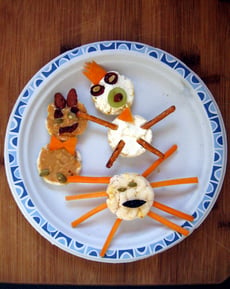
On Education.com, you can explore to teaching and learning resources including printable worksheets, classroom activities, and lesson plans focused on classifying two-dimensional shapes using snacks like cheese crackers, pretzels, or cookies. Fruits, vegetables, and other food items are used in hands-on activities to identify shapes such as squares, triangles, circles, and rectangles. These activities help students develop shape recognition, sorting skills, spatial awareness, and counting practice. By incorporating food into learning, students stay engaged and build foundational geometry understanding in a fun and edible way.
Educators and parents can access a variety of digital simulations, printable shape-sorting worksheets, and interactive games featuring snacks as manipulatives. These resources make learning about shapes concrete, tactile, and memorable, while also providing material adaptable for both classroom and home environments. Lessons include challenges like identifying shapes in food items, comparing attributes, and creating patterns, encouraging critical thinking and observation skills. With ready-to-use educator tools and fun exercise ideas, studying shapes becomes accessible and engaging.
Practitioners can use Snacks classifying two-dimensional shapes resources on Education.com to save time planning lessons, create interactive learning experiences, and reinforce geometric concepts effectively. Whether incorporated into shape recognition tutorials, early math centers, or interactive at-home worksheets, these exercises support hands-on learning. Using relatable examples like snack foods creates memorable, practical context for students, making shape analysis both educational and entertaining. This approach encourages sustained curiosity and strengthens foundational math skills through engaging activities.
Educators and parents can access a variety of digital simulations, printable shape-sorting worksheets, and interactive games featuring snacks as manipulatives. These resources make learning about shapes concrete, tactile, and memorable, while also providing material adaptable for both classroom and home environments. Lessons include challenges like identifying shapes in food items, comparing attributes, and creating patterns, encouraging critical thinking and observation skills. With ready-to-use educator tools and fun exercise ideas, studying shapes becomes accessible and engaging.
Practitioners can use Snacks classifying two-dimensional shapes resources on Education.com to save time planning lessons, create interactive learning experiences, and reinforce geometric concepts effectively. Whether incorporated into shape recognition tutorials, early math centers, or interactive at-home worksheets, these exercises support hands-on learning. Using relatable examples like snack foods creates memorable, practical context for students, making shape analysis both educational and entertaining. This approach encourages sustained curiosity and strengthens foundational math skills through engaging activities.