Common Core Factors and Multiples Resources
Common Core Quick Links:
Common Core State Standards
53 results
Math
✕Common Core
✕53 results
Subtopics:
Common Core Factors and Multiples Resources
Common Core Quick Links:
Common Core State Standards53 results
Math
✕Common Core
✕53 results
























About Common Core Factors And Multiples Resources
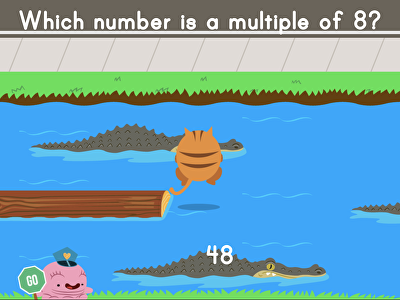
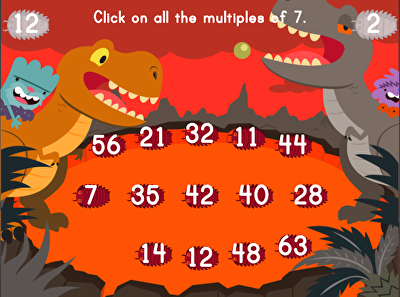
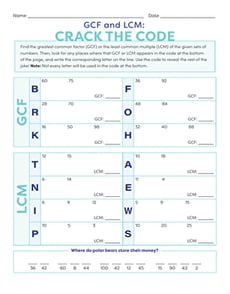
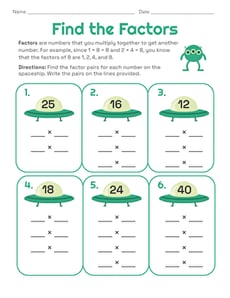
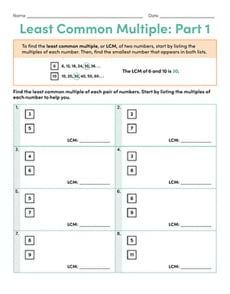
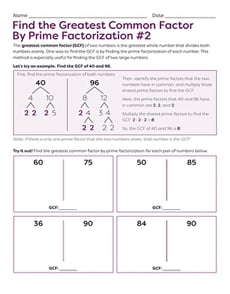
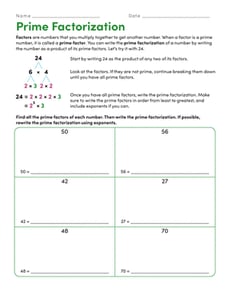
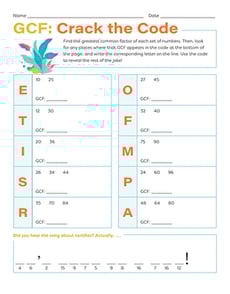
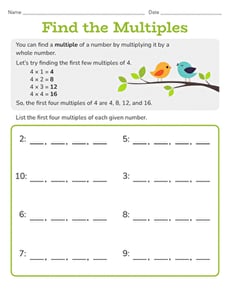
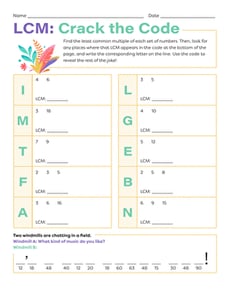
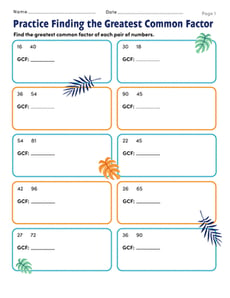
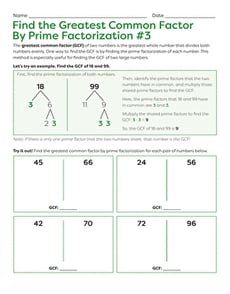
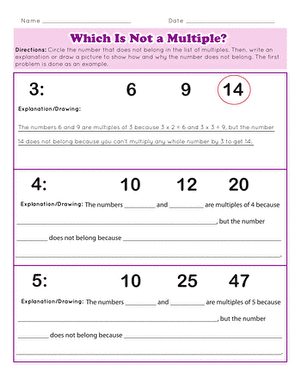
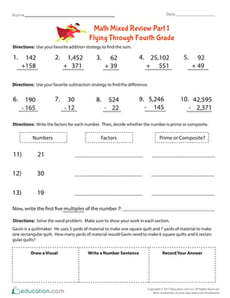
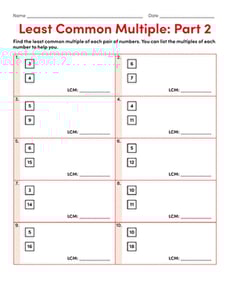
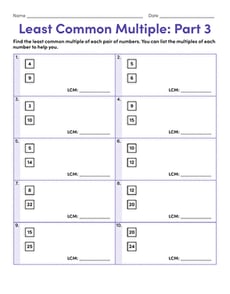
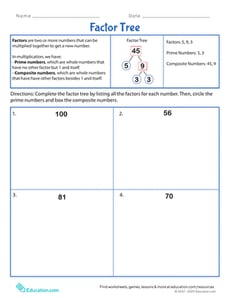
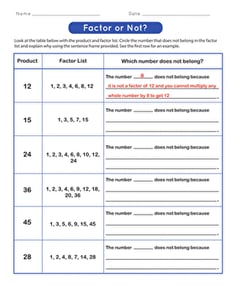
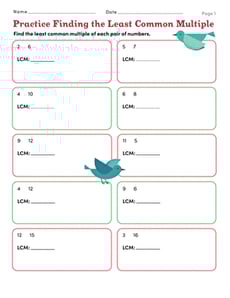
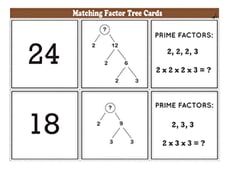
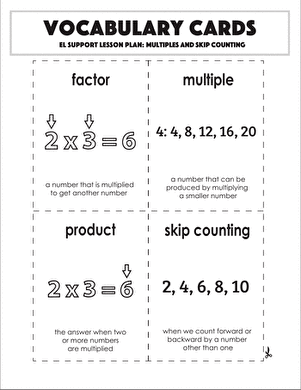
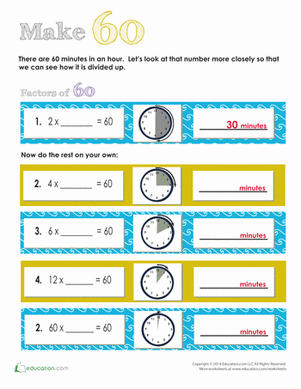
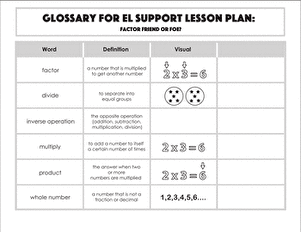
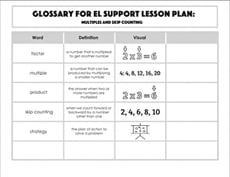
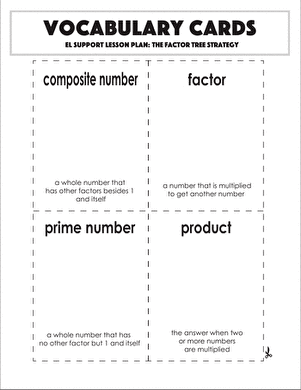
On Education.com, students and educators can access a variety of worksheets, printable activities, and lesson plans focused on factors and multiples. These resources help students understand and identify factor pairs, prime and composite numbers, as well as concepts like greatest common factor (GCF) and least common multiple (LCM). Using hands-on exercises and visual aids, learners can develop critical math skills that lay the foundation for algebra and number theory. The materials are organized by grade level, making it easy to find appropriate resources for kindergarten through 6th grade.
This content connects to Common Core Standards for mathematics, including 4.OA.B.4 and 6.NS.B.4. Educators and parents can browse interactive games, practice worksheets, and educational videos that reinforce real-world applications of factors and multiples. These tools promote problem-solving, critical thinking, and numerical fluency while keeping math concepts engaging and accessible for young learners.
By incorporating these resources into classroom instruction or at-home learning, parents and teachers can save time planning activities that support self-paced progress. Each lesson includes clear explanations, customized practice exercises, and assessments to track mastery. Students gain confidence in multiplication, division, and prime factoring while building a strong number sense that supports future STEM learning.
This content connects to Common Core Standards for mathematics, including 4.OA.B.4 and 6.NS.B.4. Educators and parents can browse interactive games, practice worksheets, and educational videos that reinforce real-world applications of factors and multiples. These tools promote problem-solving, critical thinking, and numerical fluency while keeping math concepts engaging and accessible for young learners.
By incorporating these resources into classroom instruction or at-home learning, parents and teachers can save time planning activities that support self-paced progress. Each lesson includes clear explanations, customized practice exercises, and assessments to track mastery. Students gain confidence in multiplication, division, and prime factoring while building a strong number sense that supports future STEM learning.