
Preschool Collecting and Organizing Data Resources

























About Preschool Collecting And Organizing Data Resources
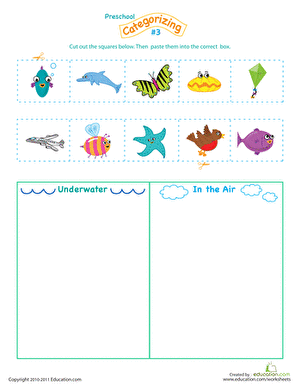
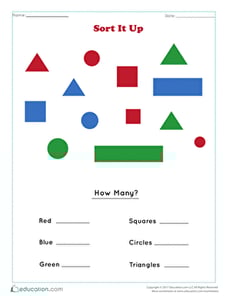
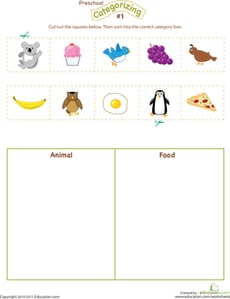
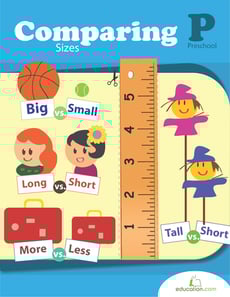
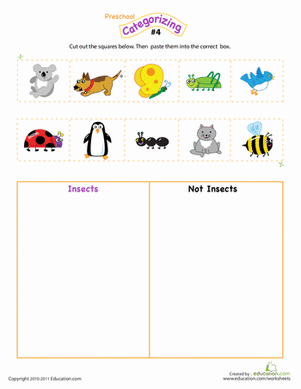
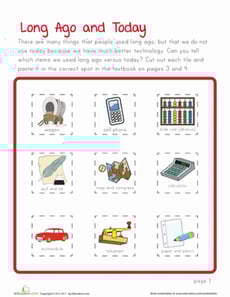
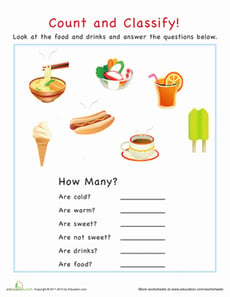
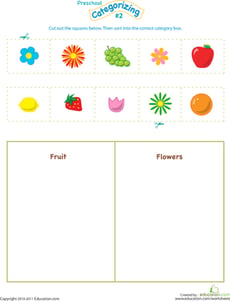
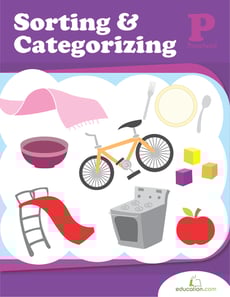
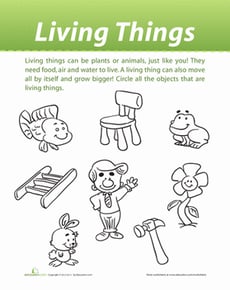
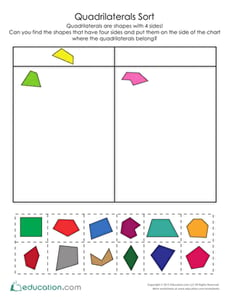
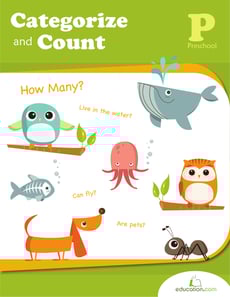
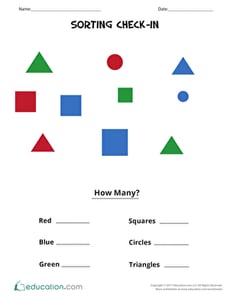
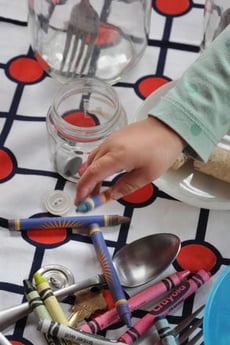
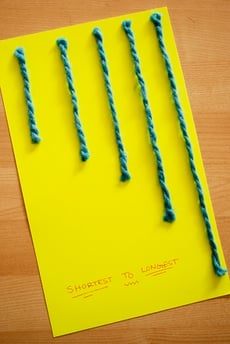
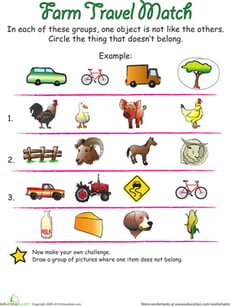
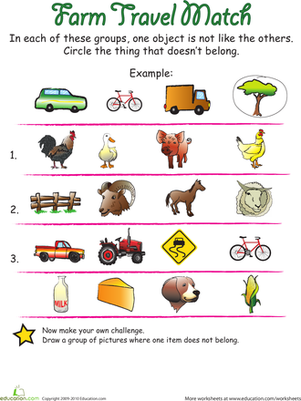
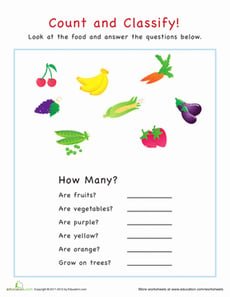
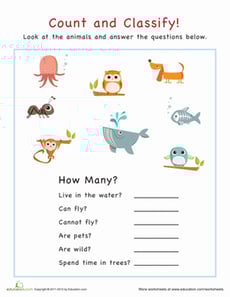
On Education.com, preschool collecting and organizing data resources provide hands-on activities that help young children practice sorting and classifying objects by color, shape, or size. These activities incorporate tools like stickers, objects, or digital graphics to engage students in building early math and logic skills. Examples include bar graphs, 'which one doesn't belong?' games, and simple surveys that track preferences or observations. This set of materials supports playful, developmentally appropriate learning while fostering critical thinking and pattern recognition.
Preschool data collection and organization resources on Education.com include printable worksheets, interactive games, and digital tools like the Preschool Data Toolbox app. These resources provide educators and parents with structured activities to encourage exploration of categories, comparisons, and sorting exercises. By integrating education-focused activities into play, children develop foundational skills in measurement, analysis, and observation, all within a fun and interactive context.
Using these materials at home or in classrooms makes tracking young learners' progress easy through structured activities that combine creativity with skill development. Educators can observe children engaged in sorting games or graphing activities, record progress using anecdotal notes or photos, and adjust instruction based on skill levels. Grandparents, carers, or teachers can access ready-made resources, reducing planning time while supporting meaningful early childhood education.
Preschool data collection and organization resources on Education.com include printable worksheets, interactive games, and digital tools like the Preschool Data Toolbox app. These resources provide educators and parents with structured activities to encourage exploration of categories, comparisons, and sorting exercises. By integrating education-focused activities into play, children develop foundational skills in measurement, analysis, and observation, all within a fun and interactive context.
Using these materials at home or in classrooms makes tracking young learners' progress easy through structured activities that combine creativity with skill development. Educators can observe children engaged in sorting games or graphing activities, record progress using anecdotal notes or photos, and adjust instruction based on skill levels. Grandparents, carers, or teachers can access ready-made resources, reducing planning time while supporting meaningful early childhood education.