2nd Grade Compare and Contrast Resources

20 results
English Language Arts
✕2nd Grade
✕20 results
2nd Grade Compare and Contrast Resources
20 results
English Language Arts
✕2nd Grade
✕20 results


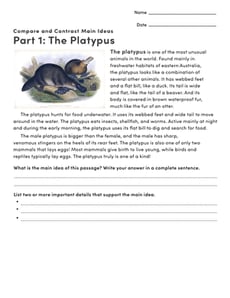


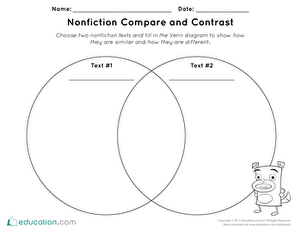


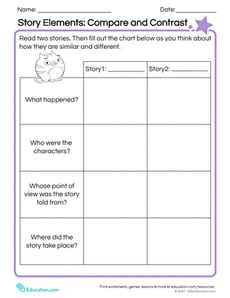
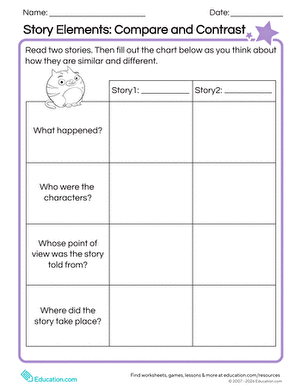









About 2nd Grade Compare And Contrast Resources
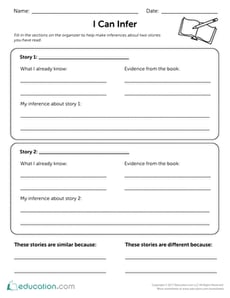
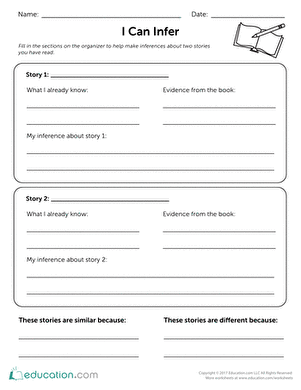
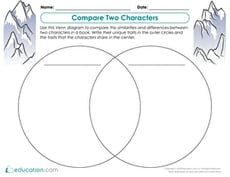
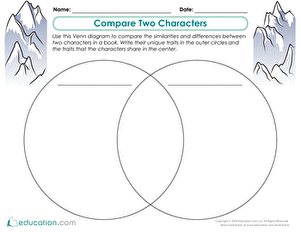
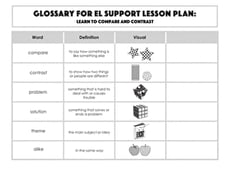
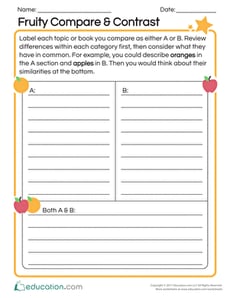
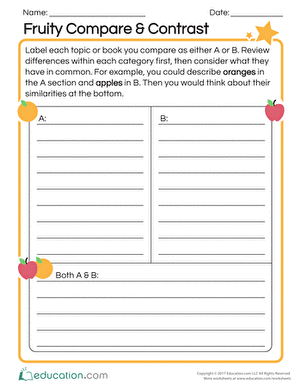
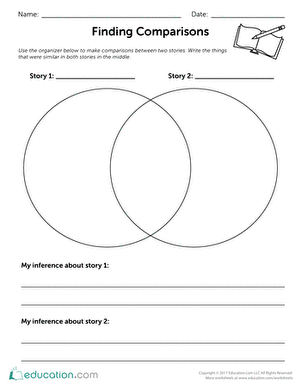
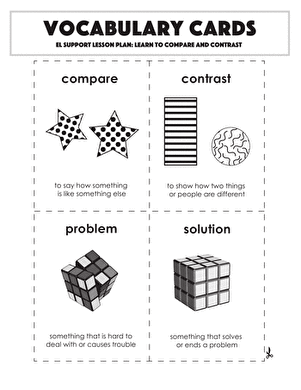
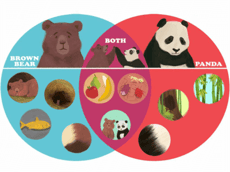
On Education.com, second-grade compare and contrast resources help students identify similarities and differences between objects, animals, stories, and more. These materials include worksheets, lesson plans, and educational activities that provide engaging ways to develop critical thinking and observation skills. Such resources support early learners in understanding categorization and examining details, laying the groundwork for reading, science, and reasoning abilities.
The website offers a variety of printable worksheets, digital lessons, and classroom-ready materials that make comparing and contrasting accessible and fun. Educators and parents can access structured activities that reinforce academic concepts while encouraging curiosity and creativity. Materials are designed to be versatile, helping to engage students in different learning contexts and across various subjects.
Using Education.com’s materials, instructors and families can save time on lesson planning while providing hands-on, interactive learning experiences. Resources can be adapted for at-home practice or classroom activities, promote active participation, and boost confidence. They also serve as valuable tools for reinforcing standards-aligned instruction in early primary education.
The website offers a variety of printable worksheets, digital lessons, and classroom-ready materials that make comparing and contrasting accessible and fun. Educators and parents can access structured activities that reinforce academic concepts while encouraging curiosity and creativity. Materials are designed to be versatile, helping to engage students in different learning contexts and across various subjects.
Using Education.com’s materials, instructors and families can save time on lesson planning while providing hands-on, interactive learning experiences. Resources can be adapted for at-home practice or classroom activities, promote active participation, and boost confidence. They also serve as valuable tools for reinforcing standards-aligned instruction in early primary education.